
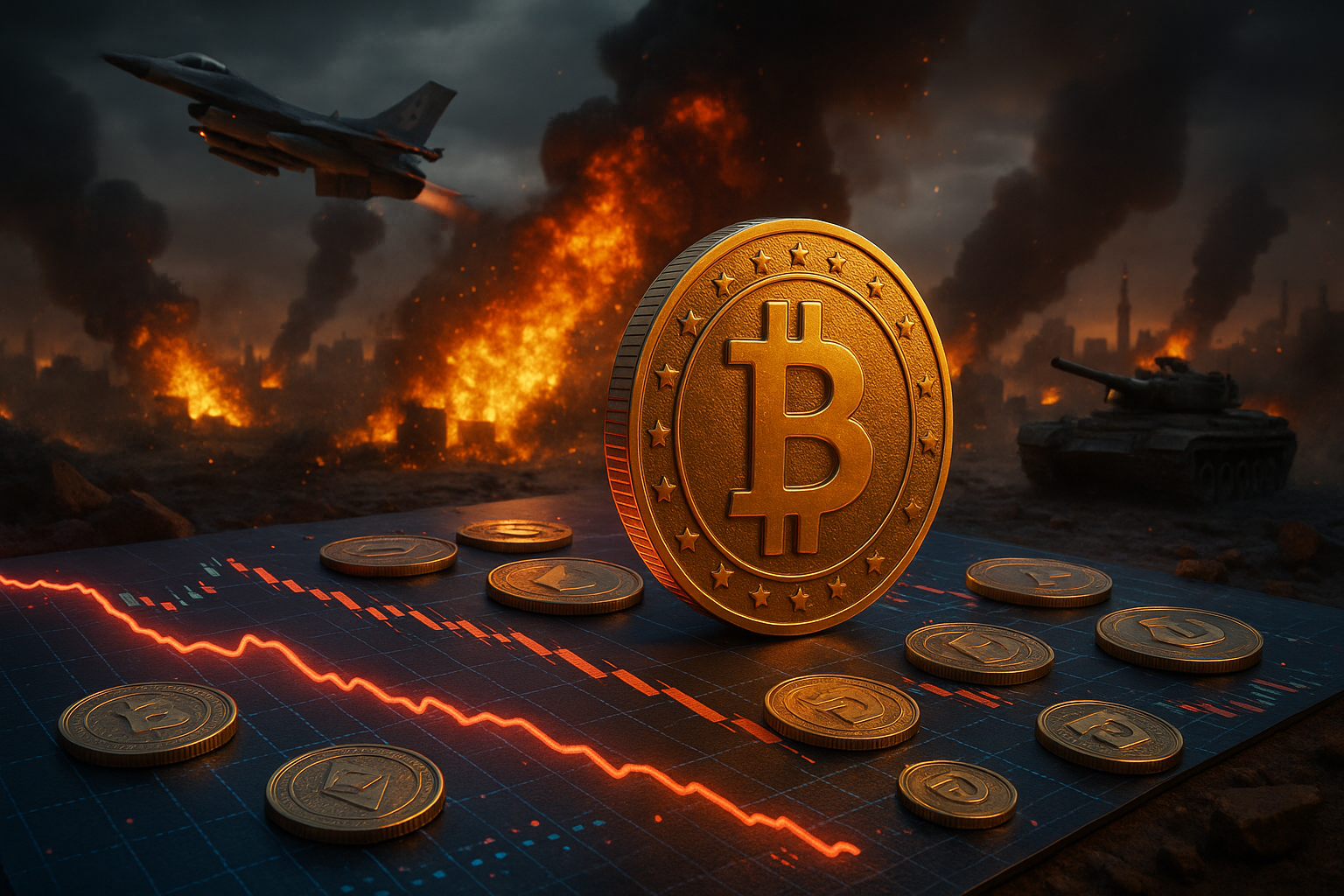
Cryptocurrency markets plunged on Friday following heightened geopolitical tensions in the Middle East. Israel’s launch of “Operation Rising Lion,” a military campaign targeting Iranian nuclear and missile sites, triggered widespread risk aversion among investors.
Bitcoin and Ethereum Lead the Decline
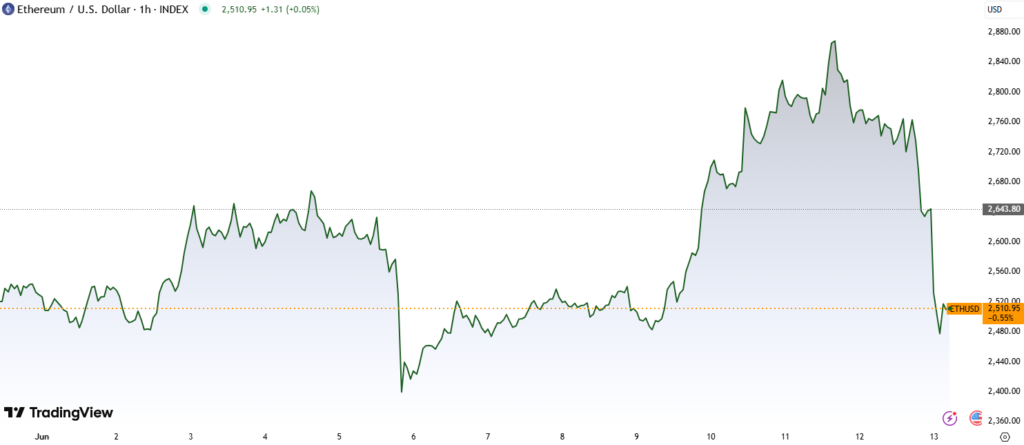
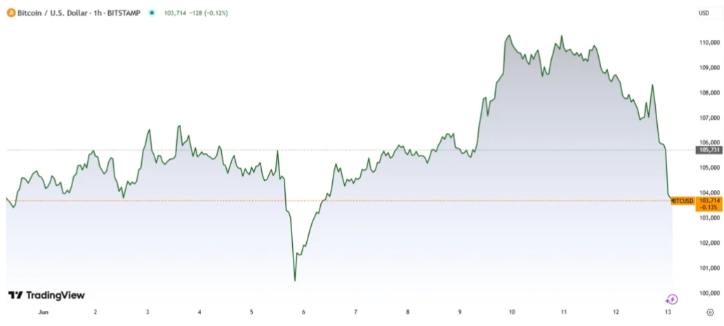
Bitcoin fell to $103,448.84, down 4.74% in 24 hours, while Ethereum tumbled 11.01% to $2,467.35, reflecting deeper anxiety in the altcoin market. The global crypto market capitalization shrank by 5.32%, falling to $3.23 trillion, signaling widespread selloffs across digital assets.
The sharp downturn underscores how cryptocurrencies—despite being positioned as alternatives to fiat systems—remain vulnerable during periods of geopolitical instability.
Geopolitical Shock: Operation Rising Lion
The market downturn followed Israel’s announcement of sustained strikes on Iranian nuclear facilities. Prime Minister Benjamin Netanyahu called the operation a “decisive moment”, declaring it would continue “for as many days as it takes to remove this threat.”
In response, Iran reported casualties and damage to civilian areas, prompting Israel to declare a national emergency. The crisis has escalated fears of broader regional conflict involving oil supply routes, energy markets, and even global military powers.
Investors Turn to Safety in “Risk-Off” Mode
The market reaction reflects a broader shift to “risk-off” sentiment, where investors exit speculative assets in favor of traditional safe havens like gold and government bonds. While Bitcoin is often dubbed “digital gold,” its behavior during crises has more closely mirrored high-risk assets.
Ethereum’s sharper losses suggest that investors are exiting less-liquid and more volatile altcoins first, favoring Bitcoin’s relative stability.
Outlook: Prolonged Pressure or Quick Recovery?
Historically, crypto markets have rebounded from geopolitical shocks, but the current situation is different. It involves nuclear-capable nations and risks drawing in global powers, raising the specter of prolonged conflict and elevated volatility in digital asset markets.
If tensions escalate further, crypto valuations may face additional pressure, with risk appetite unlikely to return until stability is restored.