

Lack of Legal Rights Raises Investor Concerns
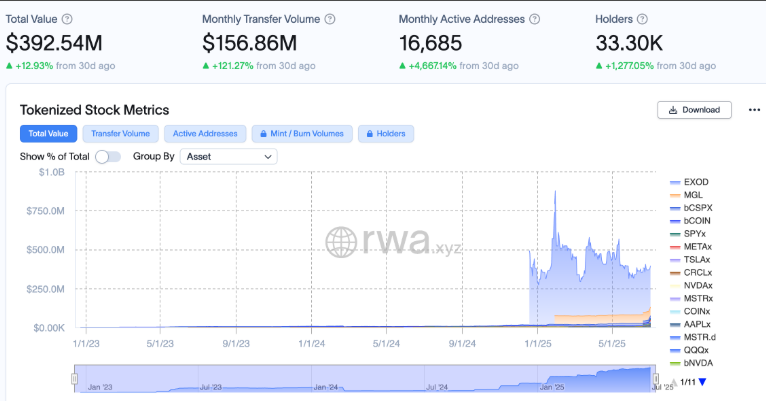
Tokenized equities—digital representations of stocks and private shares—are gaining traction in the blockchain space, but legal experts warn they exist in a regulatory grey zone. While these tokens often track the price of real-world assets, they do not provide the same legal protections or rights as directly holding traditional securities.
Unlike shareholders in public companies, token holders often lack voting rights, dividends, or legal claims on company assets. According to legal analysts, these tokens are typically issued by intermediaries and may only reflect capital appreciation if the underlying asset performs well.
Recent Confusion Highlights Market Risks
This legal uncertainty was underscored by a recent controversy involving private equity tokens linked to OpenAI and SpaceX offered on a trading platform to European users. The offering led to confusion among retail investors, prompting OpenAI to issue a statement clarifying that the tokens did not represent actual ownership in the company.
Legal professionals argue that such incidents could become more common unless regulatory clarity is provided. Many fear that retail investors may be misled into believing they are purchasing genuine equity, when in fact they are buying speculative instruments.
Tokenization Has Promise But Needs Oversight
Despite these concerns, legal experts acknowledge the potential of tokenized equities to streamline capital markets. By combining the benefits of blockchain transparency, speed, and accessibility, tokenization could democratize investment opportunities that were once exclusive to institutional players.
Platforms like Kraken and Bybit have already begun offering tokenized stock trading, allowing users to gain exposure to companies like Tesla and Amazon in digital form. Meanwhile, major players such as Coinbase are reportedly engaging with the U.S. Securities and Exchange Commission (SEC) to pursue regulatory approval for broader tokenized stock offerings.
SEC Opens the Door to Innovation
Under the leadership of SEC Chairman Paul Atkins, the agency has expressed interest in advancing market innovation, signaling a more receptive stance toward blockchain-based financial assets. Atkins recently emphasized the importance of supporting innovation while maintaining investor protection.
Disclaimer
This content is for informational purposes only and does not constitute financial, investment, or legal advice. Cryptocurrency trading involves risk and may result in financial loss