
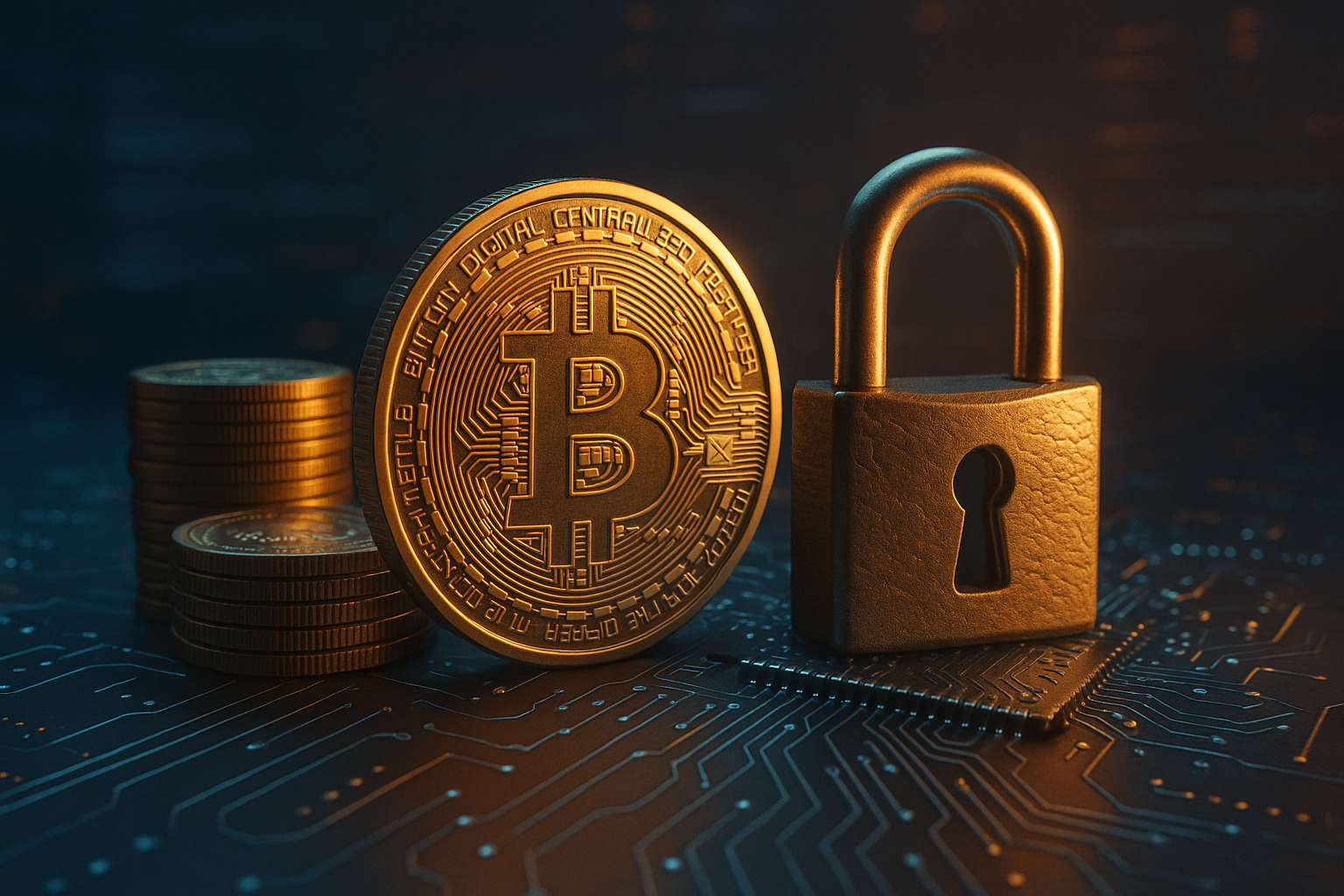
A mysterious $8 billion Bitcoin transfer from dormant wallets dating back to the early days of the network has sparked speculation in the crypto community. However, blockchain analysis suggests the move was a strategic security upgrade—not a liquidation.


Dormant Wallets From 2011 Move to Modern Addresses

Last week, on-chain data revealed that eight Bitcoin wallets, each holding 10,000 BTC, transferred funds to modern bc1q-style SegWit addresses. These wallets had remained untouched since 2011—placing them among the oldest known wallets possibly linked to early miners or Satoshi-era entities.

The combined value of the transferred BTC exceeds $8 billion at current prices.

According to analytics platform Arkham, there is no evidence of selling activity. The funds remain intact and untouched in the new wallets, implying a proactive operational security measure rather than a market-driven move.


Enhanced Security Through Native SegWit Addresses

The receiving addresses use the bc1q format, also known as Native SegWit (Bech32). These addresses offer:

  • Lower transaction fees
  • Improved processing efficiency
  • Stronger protection against certain exploits

The transition from legacy “1-” addresses to bc1q addresses is a widely recommended security upgrade among crypto custodians and institutions.

This suggests that the wallet holder may have updated their security practices in response to emerging risks or simply to align with modern standards.


Legal Threats May Have Triggered the Move

In the days leading up to the transfers, the original wallets reportedly received OP_RETURN messages, a blockchain-based way to send metadata or text to an address. These messages allegedly included legal threats, claiming ownership of the wallets unless the true owner responded by a specific deadline.

Charles Guillemet, CTO at Ledger, flagged this activity, noting that the messages were likely spam or attempted social engineering attacks, as the sender did not prove private key access.

“The owner may have been spooked and moved the funds to reaffirm control,” Guillemet said.

While some feared a possible hack, Guillemet clarified that the wallets were likely moved voluntarily by their rightful owner as a precautionary response to suspicious activity.


No Signs of Market Impact or Sell-Off

Despite the massive movement of funds, there has been no sign of increased sell pressure on Bitcoin markets. Prices remained relatively stable during the week of the transfer, supporting the theory that the move was strictly internal wallet management.

This incident underscores the importance of proactive wallet security measures, especially for long-term holders with substantial assets.


A Lesson in Crypto Custody

The recent transfer of 80,000 BTC from Satoshi-era wallets offers a rare glimpse into early Bitcoin wealth management. While the exact identity of the wallet owner remains unknown, the transaction demonstrates the continued relevance of security best practices and the importance of maintaining control over private keys—even a decade later.

This event serves as a case study for institutional and retail crypto holders alike, emphasizing that even long-dormant funds are vulnerable to evolving threats and must be actively secured as the ecosystem matures.

Disclaimer

This content is for informational purposes only and does not constitute financial, investment, or legal advice. Cryptocurrency trading involves risk and may result in financial loss.

logo

blockto.io

info@blockto.io

Blockto.io Copyright © 2025, All rights reserved

News
Rates
Buy
More
We use cookies to personalize content and ads, provide social media features, and analyze our traffic. In accordance with GDPR/AVG and EU cookie regulations, data is processed only with your consent. We may share information about your use of our website with our social media, advertising, and analytics partners, and you can manage or withdraw your consent at any time. View more
Cookies settings
Accept
Privacy & Cookie policy
Privacy & Cookies policy
Cookie name Active

Privacy Policy

At BitxJournal.com, we respect your privacy and are committed to protecting your personal data. This Privacy Policy explains how we collect, process, store, and protect personal information in accordance with the General Data Protection Regulation (GDPR) and AVG (EU privacy legislation).

1. Data Controller

BitxJournal.com acts as the data controller for all personal data processed through this website.

2. Personal Data We Collect

We may collect and process the following categories of data:

Personal Data

  • Name and email address (when you subscribe to newsletters or contact us)

Technical & Usage Data

  • IP address, browser type, operating system

  • Device information

  • Pages visited, referral sources, and interaction data

This data is collected via cookies, log files, and analytics technologies.

3. Legal Basis for Processing

We process personal data only when a lawful basis exists, including:

  • Consent – when you explicitly agree (e.g., cookies, newsletter sign-up)

  • Legitimate interest – to operate, secure, and improve our website

  • Legal obligation – when required by applicable laws

You may withdraw your consent at any time.

4. Purpose of Data Processing

Your data is processed for the following purposes:

  • Operating and maintaining the website

  • Improving content, usability, and performance

  • Sending newsletters or updates (only with consent)

  • Analyzing traffic and user behavior

  • Responding to inquiries or support requests

5. Cookies & Consent Management

We use cookies and similar technologies in compliance with EU Cookie Law.

  • Non-essential cookies are placed only after explicit user consent

  • Users may accept, reject, or manage cookie preferences at any time

  • Consent can be withdrawn without affecting prior lawful processing

Detailed cookie information is available in our Cookie Settings panel.

6. Third-Party Data Processing

We may share limited data with trusted third-party service providers, including:

  • Analytics providers (e.g., Google Analytics)

  • Advertising partners (for personalized or non-personalized ads)

These third parties act as data processors and process data only under contractual obligations compliant with GDPR/AVG.

7. International Data Transfers

Where data is transferred outside the European Economic Area (EEA), we ensure appropriate safeguards are in place, such as Standard Contractual Clauses (SCCs) or equivalent legal mechanisms.

8. Data Retention

We retain personal data only for as long as necessary to fulfill the purposes outlined in this policy or as required by law.

9. Data Security

We implement appropriate technical and organizational security measures to protect personal data against unauthorized access, alteration, disclosure, or destruction.

10. Your GDPR Rights

Under GDPR/AVG, you have the right to:

  • Access your personal data

  • Rectify inaccurate or incomplete data

  • Request data erasure (“right to be forgotten”)

  • Restrict or object to processing

  • Data portability

  • Withdraw consent at any time

  • Lodge a complaint with a supervisory authority

11. Changes to This Privacy Policy

We reserve the right to update this Privacy Policy at any time. Any changes will be posted on this page with a revised effective date.

12. Contact Information

For privacy-related inquiries or GDPR requests, contact:

📧 Email: support@blockto.io
🌐 Website: https://blockto.io

Save settings
Cookies settings