
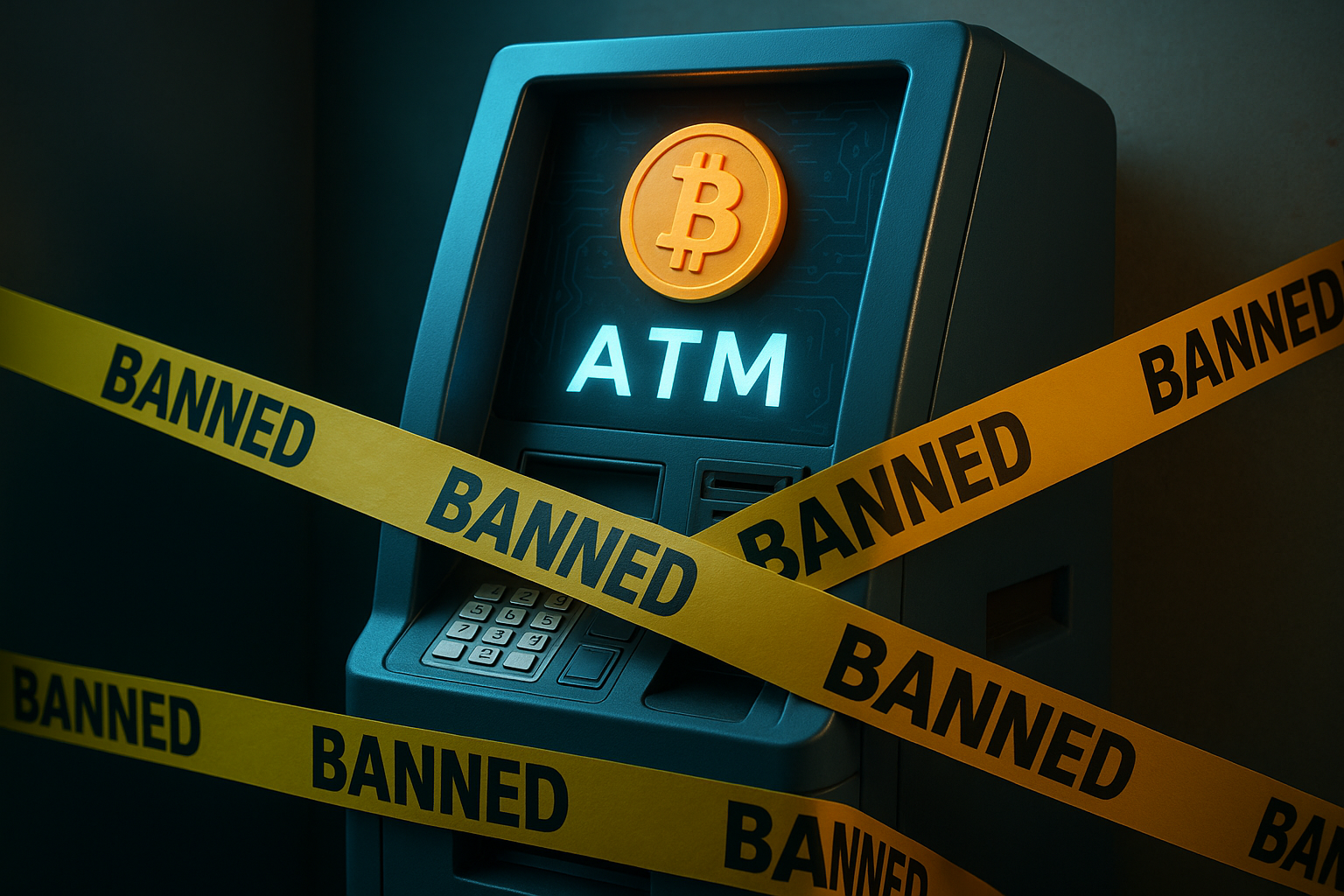
In a decisive move to curb financial crime, New Zealand has announced a nationwide ban on cryptocurrency ATMs as part of an expanded anti-money laundering (AML) crackdown. The decision comes amid growing concerns that crypto kiosks are being used by criminal networks to convert illicit cash into digital assets.
Government Introduces $5,000 Cap on Overseas Cash Transfers
Alongside the crypto ATM ban, officials have imposed a $5,000 cap on international cash transfers. This new restriction is intended to prevent large, untraceable sums from leaving the country under the radar of financial authorities.
Associate Justice Minister Nicole McKee confirmed the measures on Wednesday, saying the reforms will help block channels “used by criminals to move illicit funds.”
“We will also make it more difficult for criminals to convert cash to high-risk assets such as cryptocurrencies by banning crypto ATMs,” said McKee.
Crypto Kiosks Targeted for Criminal Misuse
New Zealand’s Anti-Money Laundering and Countering the Financing of Terrorism (AML/CFT) overhaul is being fast-tracked. According to the government, criminals are increasingly using crypto ATMs to convert physical cash into cryptocurrency, which is then sent abroad—often for drug trafficking or online fraud operations.
A Ministerial Advisory Group report published in April found that these machines have become a “common tool” for laundering criminal proceeds.
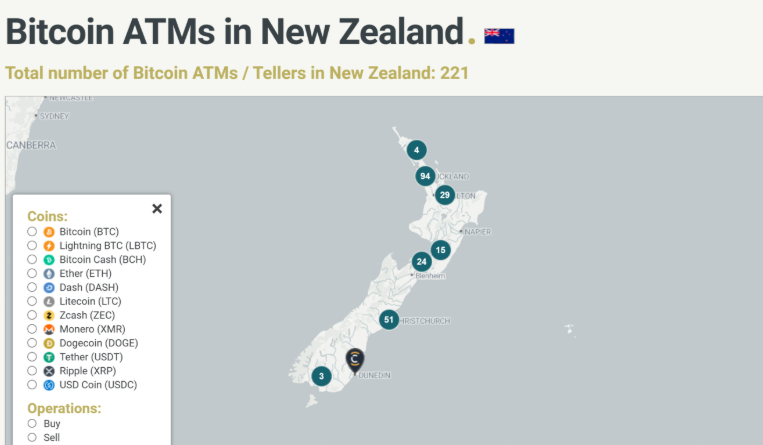
Over 220 Crypto ATMs Affected Across New Zealand
As of mid-2025, more than 220 cryptocurrency ATMs are operational across the country, according to public kiosk tracking data. Once the ban takes effect, these machines will be decommissioned, ending public access to on-the-spot crypto-to-cash services.
Strengthening Financial Oversight and Surveillance
The reform plan also gives broader surveillance powers to New Zealand’s Financial Intelligence Unit (FIU). Under the new provisions, the FIU will be able to request ongoing information from banks and financial institutions about individuals suspected of financial misconduct.
Two legislative bills supporting the AML reforms are already in Parliament and expected to pass before the end of 2025.
McKee emphasized: “This is not about dropping standards, it’s about applying them intelligently and ensuring real criminals—not law-abiding businesses—are the ones targeted.”
Global Trend: Crypto ATMs Under Fire Worldwide
New Zealand’s move is part of a growing international trend targeting crypto ATM abuse. Australia recently introduced a AU$5,000 limit on crypto ATM transactions, along with tighter identity verification. In the U.S., Spokane, Washington, has banned crypto kiosks entirely, citing widespread scams affecting vulnerable communities.
A Step Toward Safer Digital Finance
New Zealand’s crackdown signals a shift toward tighter crypto oversight and regulatory clarity. While the ban may affect accessibility for legitimate users, the government argues the security benefits outweigh the disruption. As digital currencies continue to evolve, regulators worldwide are taking a more active role in closing off financial loopholes tied to illicit activity.
Disclaimer
This content is for informational purposes only and does not constitute financial, investment, or legal advice. Cryptocurrency trading involves risk and may result in financial loss.