
Nigeria’s Securities and Exchange Commission (SEC) is embracing stablecoin businesses under clear regulatory guidelines, signaling a dramatic policy shift toward crypto innovation.
SEC Chief: Stablecoins Welcome—With Rules
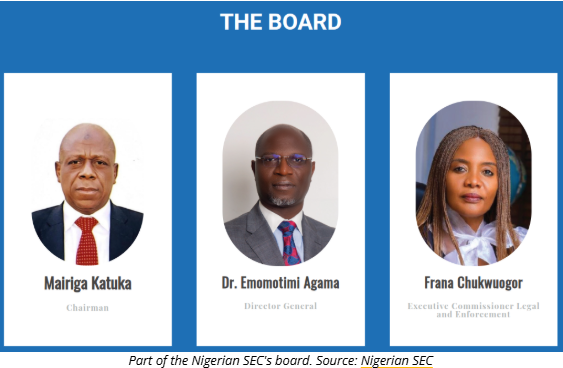
SEC Director-General Emomotimi Agama announced at the Nigeria Stablecoin Summit in Lagos that the country is “open for stablecoin business”—but only under strict compliance with market protection standards.
“Nigeria is open for stablecoin business, but on terms that protect our markets and empower Nigerians,” Agama emphasized.
He confirmed that several stablecoin-focused companies have already been onboarded via the SEC’s regulatory sandbox, aligning with global best practices around risk management and consumer protection.
From Crypto Skepticism to Fintech Optimism
This statement marks a major turning point in Nigeria’s crypto regulatory posture. Until recently, the government took a hardline stance. Earlier this year, it filed an $81.5 billion lawsuit against Binance, accusing the platform of contributing to the crash of the naira and evading $2 billion in taxes.
Yet, in a March 2025 op-ed, Nigeria’s Information Minister acknowledged that blockchain and digital assets are central to the future economy, not fringe experiments.
“They are fast becoming central to how our people transact, create, and build,” he wrote.
A New Growth Path for Africa’s Largest Economy
As Nigeria opens its doors to stablecoins, Blockchain.com has already announced plans to establish a local office, calling Nigeria its fastest-growing West African market. This is a strong signal of investor confidence, fueled by improving policy clarity.
Agama framed stablecoin regulation as foundational for Nigeria’s financial evolution:
“When the history books document Africa’s financial revolution, today will be remembered as the moment we moved from potential to action.”
Conclusion: Nigeria Seeks Balanced Growth Through Crypto
While past enforcement actions reveal concerns about unregulated activity and currency risk, Nigeria’s SEC now appears focused on balancing innovation with investor protection. Its regulatory sandbox model provides a controlled environment for stablecoin experimentation—a model other African nations may soon follow.
Nigeria is no longer blocking crypto—it’s building the rails for it.
Disclaimer
This content is for informational purposes only and does not constitute financial, investment, or legal advice. Cryptocurrency trading involves risk and may result in financial loss.