
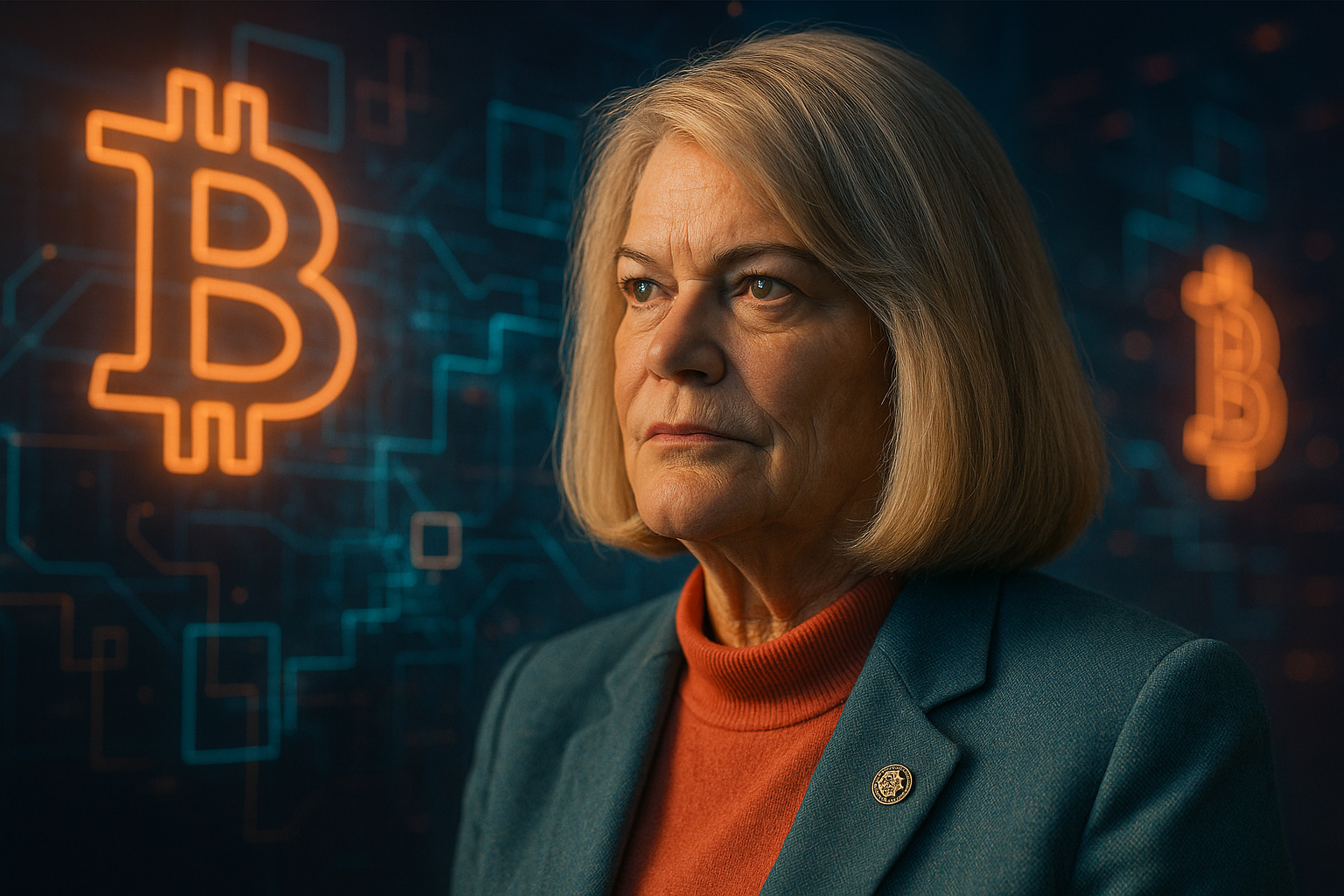
Senator Cynthia Lummis says the United States is finally beginning to catch up in the global race for crypto regulation, following what she called a “historic week” for digital asset legislation.
In a recent interview, the Wyoming senator praised the passage of two major bills — the GENIUS Act and the advancement of the CLARITY Act — as key steps toward providing long-overdue regulatory clarity for developers and institutions in the blockchain sector.
“Don’t lose faith. We’re waking up,” Lummis said, addressing crypto builders. “Help is on the way. Legislation is on the way. Rules of the road are on the way.”
GENIUS Act Becomes Law
The GENIUS Act, officially signed into law by President Trump last week, legalizes the issuance of payment stablecoins under federal oversight. The bill marks the first time stablecoins have received a clear, unified regulatory framework in the U.S., and is widely seen as a breakthrough for digital finance adoption.
Institutional investors welcomed the move, with over $4 billion added to stablecoin supply within days of the announcement, signaling increased confidence in the regulatory direction.
CLARITY Act Advances in Senate
Meanwhile, the CLARITY Act, aimed at defining crypto assets as either commodities or securities, is now under Senate consideration. Lummis explained that the bill introduces the concept of “ancillary assets”, a middle ground category that could simplify classification and compliance.
“We’ve emphasized ancillary assets to help determine what falls under SEC or CFTC jurisdiction,” Lummis explained, stressing bipartisan support for the bill after years of behind-the-scenes development.
Crypto–AI Synergy Emerging in Washington
Lummis also touched on her new AI-focused RISE Act, which proposes rules for liability and professional oversight in AI-generated information. She described a “symbiotic relationship” between crypto and AI, both of which demand nuanced policy frameworks.
Outlook: U.S. Policy Shift Has Begun
With both major political parties showing signs of alignment on digital asset issues, and President Trump openly supporting a crypto-friendly agenda, the U.S. may finally be entering a new regulatory era.
For developers, institutions, and startups long discouraged by legal uncertainty, Lummis’ message is clear: America is no longer asleep on crypto — and the legislative wheels are finally turning.
Disclaimer
This content is for informational purposes only and does not constitute financial, investment, or legal advice. Cryptocurrency trading involves risk and may result in financial loss.