

Trust in Legacy Institutions Erodes
Bitcoin (BTC) is set to gain momentum as the world enters what some analysts call the Fourth Turning, a period of systemic change driven by collapsing trust in traditional institutions. According to market strategist Jordi Visser, the cryptocurrency’s growth will continue regardless of how the global economy reshapes in the coming years.
“The average person has lost confidence in all legacy institutions, which should drive investment into BTC — a neutral, permissionless global asset,” Visser explained in a recent interview.
The Fourth Turning concept, popularized by William Strauss and Neil Howe, describes cyclical generational shifts that culminate in upheavals, often reshaping financial and political systems.

Bitcoin as a Trustless Alternative
Visser emphasized that Bitcoin’s appeal lies in its design as a trustless system.
“I don’t trust my employer. I don’t trust the government. I don’t trust the banks. I don’t trust the currency. I don’t trust the debt. I don’t trust anything,” he said. “So, I don’t see how you suddenly get that trust back.”
This breakdown of confidence is being accelerated by geopolitical tensions, high sovereign debt, and inflation, all of which erode purchasing power for households worldwide.
Economic Inequality Driving Bitcoin’s Case
Visser pointed to the widening divide of the K-shaped economy, where those at the top see asset values rise, while those at the bottom face declining financial security.
“The growing number of people on the bottom end of the K do not feel like they’re part of the system, and this is part of the Fourth Turning,” he said.
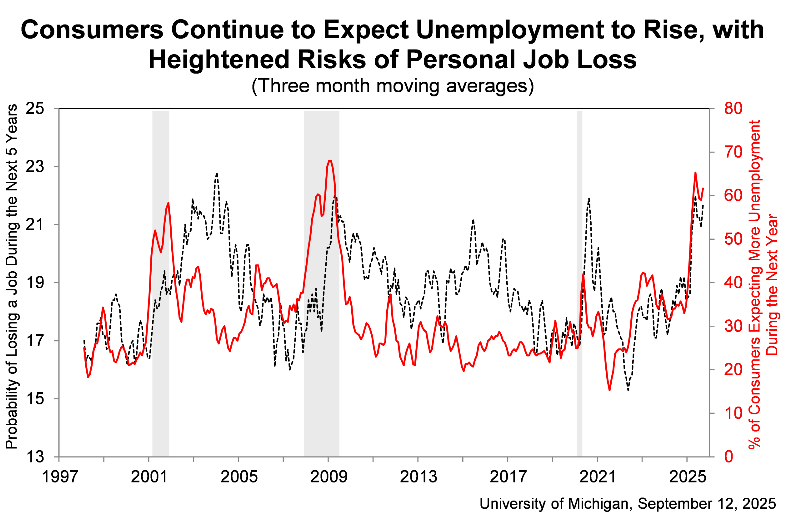
The latest University of Michigan consumer sentiment survey reinforces this divide:
- Only 24% of respondents expect their spending habits to remain the same by 2026.
- Over 60% anticipate rising unemployment in the same period.
- Inflation and trade tariffs are expected to increase the cost of living further.
These findings highlight that ordinary citizens are losing faith in traditional economic structures, creating space for Bitcoin’s narrative as incorruptible, digital hard money.
Analysts suggest that Bitcoin could play a central role in the next economic era, particularly if distrust in governments, currencies, and debt markets continues to deepen.
Disclaimer
This content is for informational purposes only and does not constitute financial, investment, or legal advice. Cryptocurrency trading involves risk and may result in financial loss.