
Jack Dorsey’s decentralized app sees rising adoption amid water and power crisis
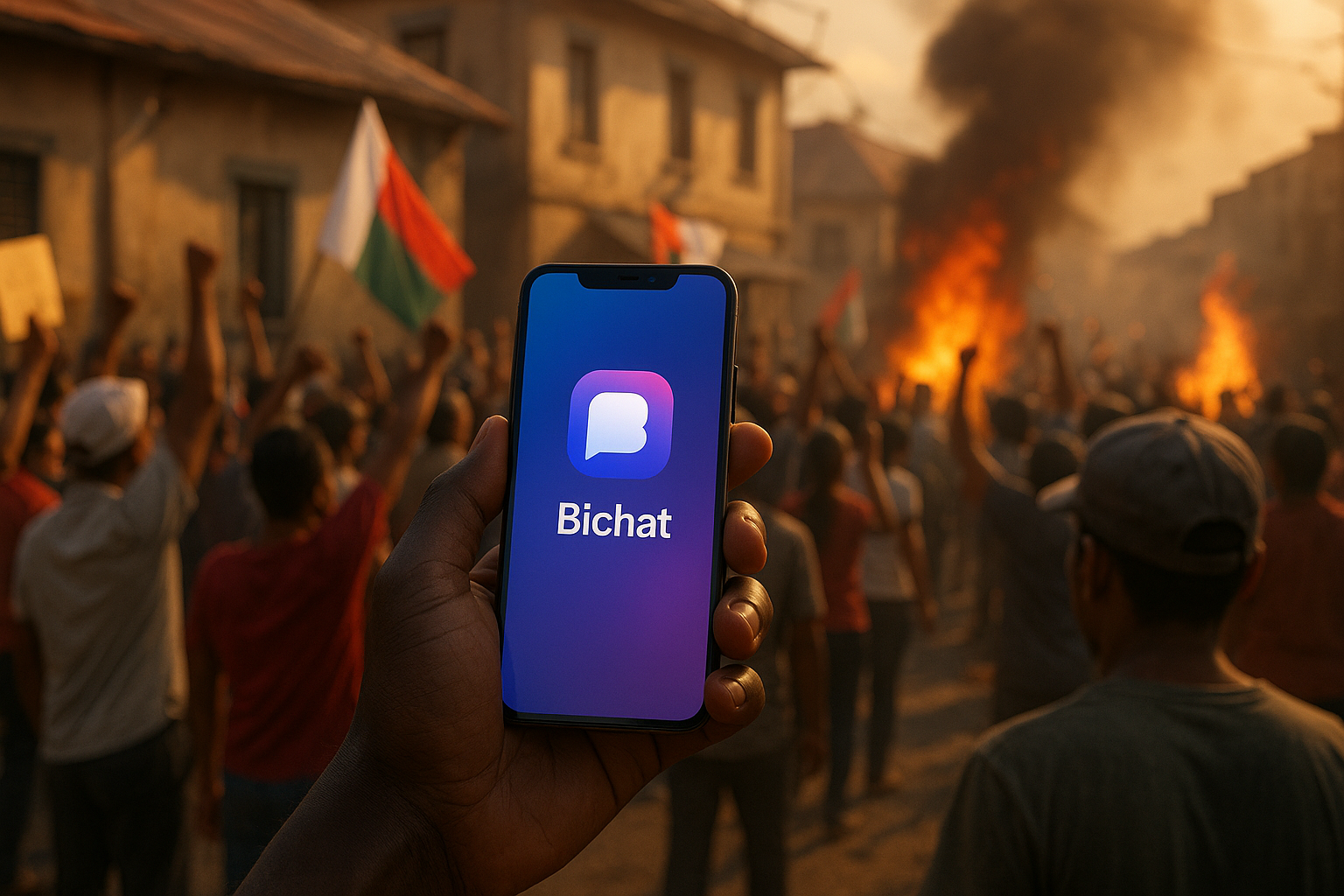
The decentralized messaging app Bitchat, backed by Block CEO Jack Dorsey, has seen a sharp spike in searches and downloads in Madagascar, coinciding with mass protests over worsening power and water shortages.
Protests Trigger Digital Shift
Last Thursday, demonstrations erupted in Antananarivo, Madagascar’s capital, as citizens expressed frustration over recurring blackouts and water cuts. The protests quickly spread nationwide, with reports of clashes, looting, and a dusk-to-dawn curfew imposed by authorities. The unrest led to the dismissal of the country’s energy minister.

In the middle of the turmoil, downloads of Bitchat began surging, echoing similar spikes observed in Nepal and Indonesia earlier this month during anti-corruption protests.
Google Searches Hit “Peak Popularity”
Data from Google Trends showed searches for “Bitchat” in Madagascar rising from near zero to 100 (peak popularity) within 24 hours, particularly in Antananarivo. Related queries like “Bitchat download” and “how to use Bitchat” ranked among the top five breakout topics, highlighting the public’s growing interest in censorship-resistant communication tools.
According to Chrome-Stats, Bitchat has been downloaded over 365,000 times since launch, including 21,000 installs in the last 24 hours and more than 71,000 in the past week. While regional breakdowns were not disclosed, the timing strongly aligns with the unrest in Madagascar.
Why Bitchat? Decentralized, Encrypted, Internet-Free
Launched in beta in July 2025, Bitchat operates on a Bluetooth mesh network, enabling encrypted communication without internet access or central servers. Unlike traditional messaging platforms, it requires no accounts, phone numbers, or email addresses—making it resilient during internet blackouts, censorship, or infrastructure failures.
This decentralized model has made it a go-to alternative for citizens in crisis-hit regions seeking secure, anonymous, and offline communication channels.
Despite the surge in downloads, internet penetration in Madagascar remains relatively low. Out of 32 million people, only 6.6 million had internet access at the start of 2025, according to DataReportal. However, the country recorded over 18 million active mobile connections, suggesting that even limited connectivity is fueling demand for alternative platforms like Bitchat.
The rise of Bitchat coincides with broader debates around privacy and encrypted messaging. In the European Union, lawmakers are pushing the controversial “Chat Control” law, which would require apps like Telegram, WhatsApp, and Signal to allow message scanning before encryption—a move privacy advocates warn could undermine security.
For many in Madagascar, however, the immediate appeal of Bitchat is simple: it provides a last-resort communication lifeline during power cuts, protests, and curfews, where traditional networks are unreliable or monitored.
Disclaimer
This content is for informational purposes only and does not constitute financial, investment, or legal advice. Cryptocurrency trading involves risk and may result in financial loss.