
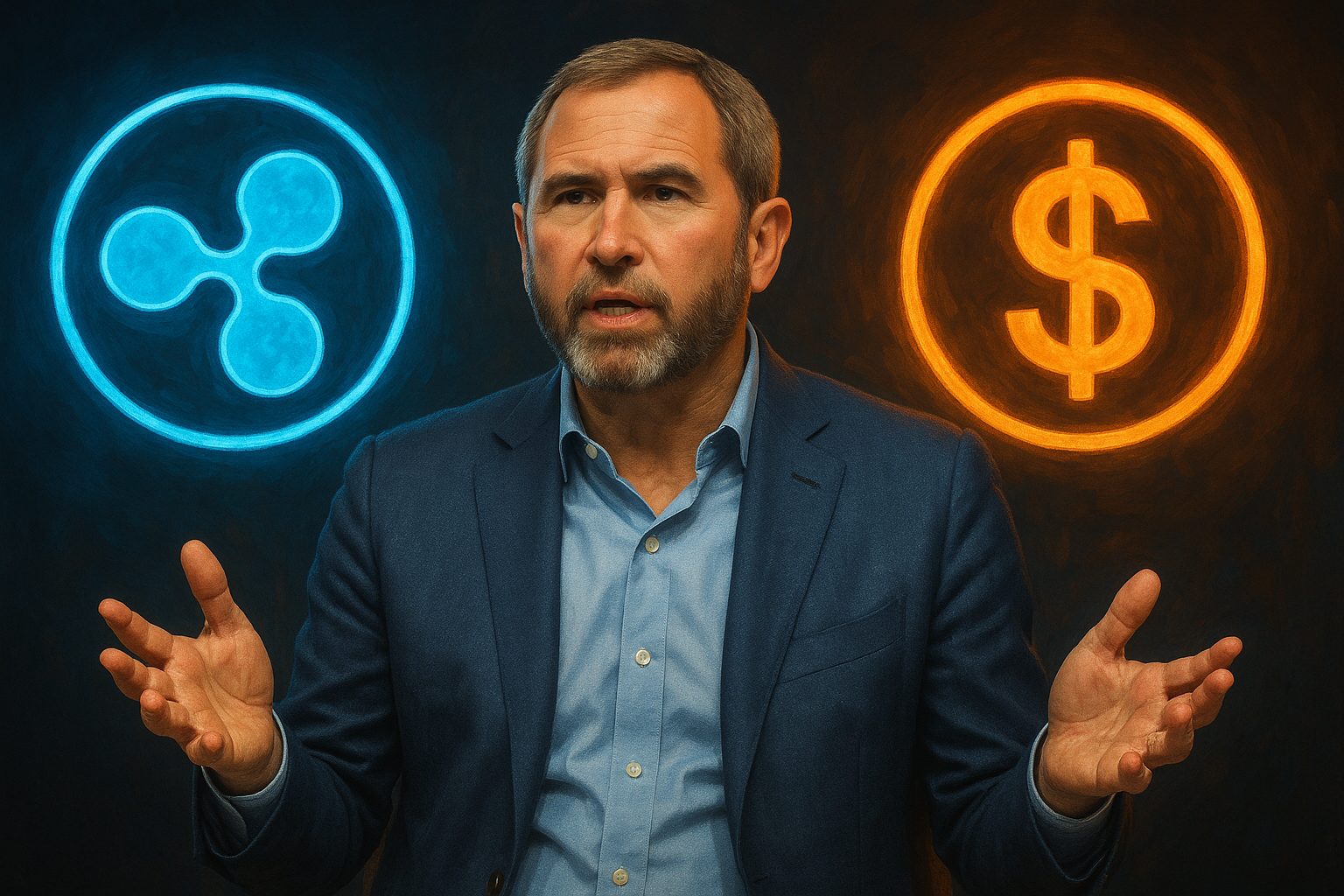
Ripple Pushes for Fair Regulatory Standards
Ripple CEO Brad Garlinghouse has called for regulatory parity between crypto firms and traditional financial institutions, arguing that companies following the same rules should enjoy the same benefits. Speaking at DC Fintech Week, Garlinghouse urged regulators to apply a level playing field as Ripple awaits a decision on its national bank charter from the Office of the Comptroller of the Currency (OCC).
“We should be held to the same regulatory standards as a bank,” Garlinghouse said. “Yes, the crypto industry should follow AML, KYC, and OFAC compliance — absolutely. But we should also have the same access to structures like a Fed master account. You can’t say one and then combat the other.”
His comments come as Ripple continues to expand its role in digital payments and blockchain-based financial services, while seeking broader integration into the U.S. financial system.
Regulatory Landscape Shows Signs of Change
Garlinghouse acknowledged that while the Trump administration and SEC Chair Paul Atkins appear to be taking a more innovation-friendly stance, major policy rollbacks are unlikely. The SEC’s enforcement-heavy approach under previous leadership has evolved into one that aims to balance investor protection with technological progress.
However, Garlinghouse emphasized that traditional banks still hold structural advantages, including easier access to payment networks and Federal Reserve accounts — privileges that crypto-native firms have been largely denied.
Ripple’s pursuit of a national bank charter, announced earlier this year, mirrors similar efforts by Circle and Coinbase, both seeking to formalize their regulatory standing within the U.S. banking framework.
But not everyone supports the move. Several U.S. banking associations have urged the OCC to delay approvals for crypto-related charters, arguing they could “raise significant policy and process concerns.”
“It’s been disappointing to see some traditional banks lobbying against these applications,” Garlinghouse said. “If we want more stability and clear regulation, granting access to Fed master accounts is actually a net positive.”
OCC’s Recent Decision May Signal a Shift
The debate over fair treatment for crypto firms intensified after reports that the OCC approved a charter for Erebor, a financial services firm backed by billionaire Peter Thiel. Though Erebor is still months from beginning operations, the decision is seen as a potential turning point for the sector.
Analysts say such developments could pave the way for greater collaboration between banks and blockchain-based firms, ensuring compliance while encouraging innovation.
Ripple’s CEO is making a clear appeal: equal rules, equal rights. As the company awaits its OCC charter decision, Garlinghouse’s message underscores a broader industry demand — that crypto innovators should not be excluded from traditional financial infrastructure when meeting the same regulatory obligations.
Disclaimer
This content is for informational purposes only and does not constitute financial, investment, or legal advice. Cryptocurrency trading involves risk and may result in financial loss.