
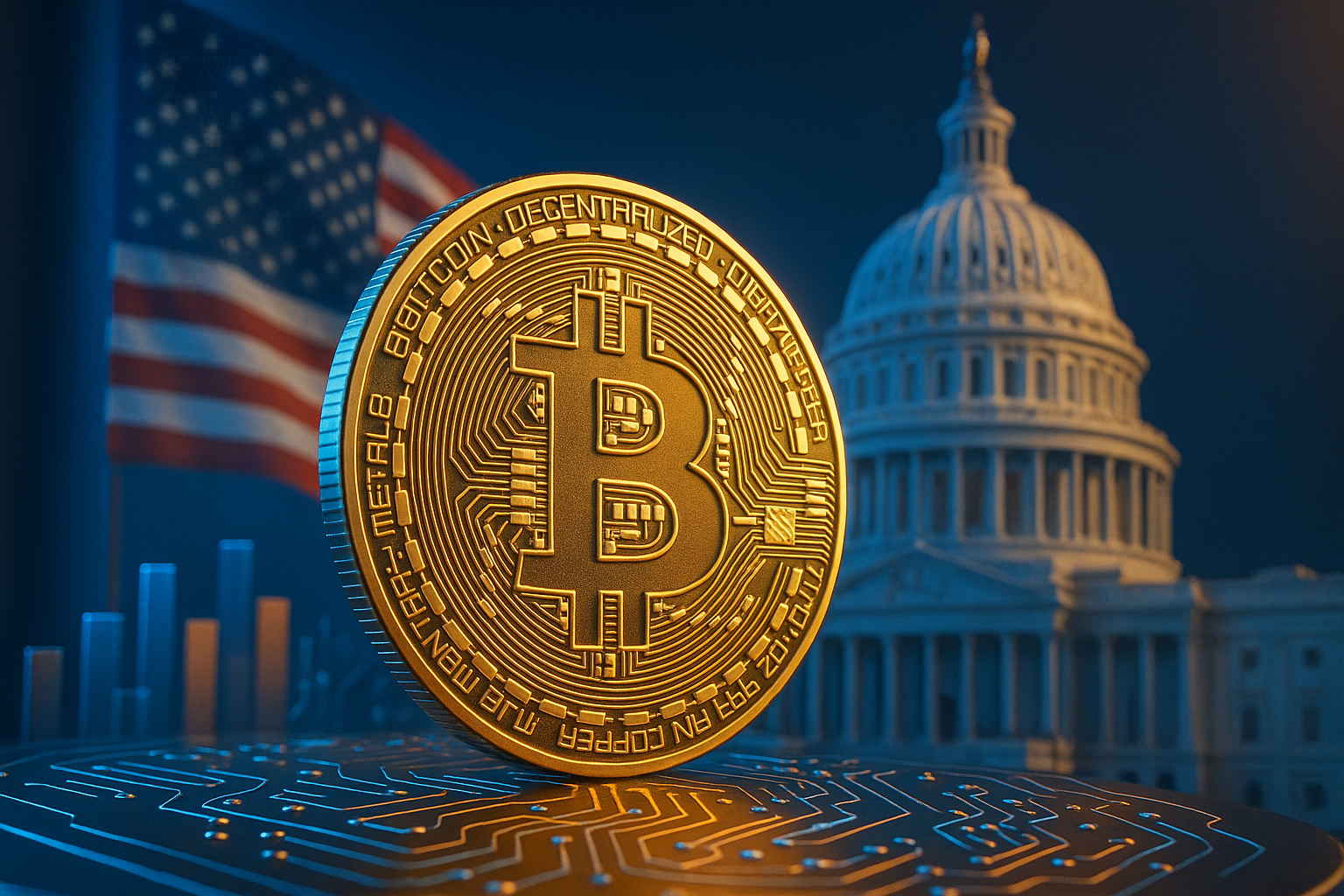
Analysts warn that Washington may wait for other nations to accumulate BTC before acting
The United States is unlikely to accelerate its plan to build a federal Bitcoin reserve until other governments start publicly accumulating the asset, according to crypto entrepreneur Mike Alfred. Speaking in a discussion released this week, Alfred said Washington remains cautious despite authorizing the creation of a Strategic Bitcoin Reserve earlier this year.

Alfred believes external competition will be the main catalyst. “The government will start putting Bitcoin into its reserve when there is enough pressure externally,” he said, noting that policymakers may react only once other nations move first. “Once they recognize that others are taking action before them, that’ll probably catalyze additional action in the future.”
Industry leaders have warned that delaying accumulation could leave the US at a disadvantage. The concern is that America’s reserve could fall behind rivals if accumulating BTC becomes a geopolitical trend. Analysts say the government has acknowledged Bitcoin’s strategic importance, but has not yet begun formal reserve operations.
$1 Million Bitcoin by 2033?
Alfred projected that Bitcoin could reach $1 million per coin by 2033, a timeline more conservative than some of the more aggressive predictions in the market. He argued that by that point, “almost every government will have some direct or indirect exposure to the asset,” describing Bitcoin as a future strategic reserve instrument similar to gold.
The US is not alone in facing pressure. In September, one analyst said there was a “strong chance” that Washington would announce it is officially holding BTC before the end of the year. Others warn the US risks being overtaken by emerging economies preparing their own Bitcoin accumulation strategies.
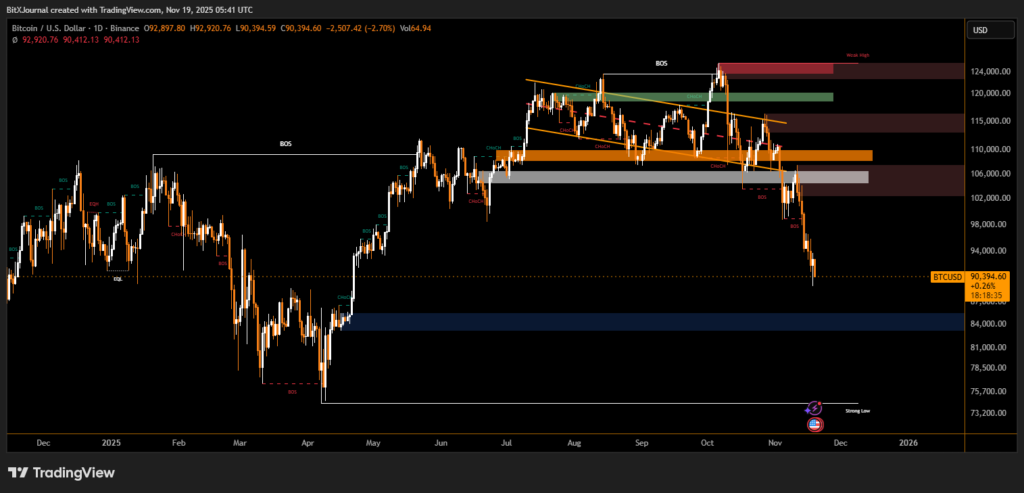
Concerns Over Being ‘Front-Run’
Some industry voices want faster action. Samson Mow said earlier this year that the US “has to start” accumulating Bitcoin or risk being front-run by other nations, including countries actively exploring national-level BTC purchases.
The debate underscores a growing geopolitical narrative: the longer the US delays, the more room other nations have to shape the future of Bitcoin as a sovereign asset.
Disclaimer
This content is for informational purposes only and does not constitute financial, investment, or legal advice. Cryptocurrency trading involves risk and may result in financial loss.