
HSBC is ramping up its digital finance offerings with the launch of tokenized deposits in the United States and the United Arab Emirates in the first half of 2026. The move reflects growing interest among megabanks to leverage blockchain-based deposit solutions as demand for faster, programmable financial services increases.
Manish Kohli, HSBC’s global head of payments solutions, explained, “The topic of tokenization, stablecoins, digital money, and digital currencies has obviously gathered so much momentum. We are making big bets in this space.”

What Are Tokenized Deposits?
Tokenized deposits are digital representations of bank deposits issued on a blockchain by regulated banks, enabling instant, 24/7 transfers and programmable payments. Unlike stablecoins, which are often privately issued and linked to assets like government debt, tokenized deposits are fully backed by the bank’s balance sheet.
A key advantage of tokenized deposits over stablecoins is the ability to pay interest, making them more attractive for corporate treasury management. Kohli noted that HSBC plans to expand applications for tokenized deposits in areas such as autonomous treasuries, where AI-driven systems manage cash and liquidity risk independently.
HSBC’s Global Rollout
HSBC first introduced its Tokenized Deposit Service (TDS) in Hong Kong in May, with Ant International as the inaugural client. Since then, the bank has extended the offering to markets including Singapore, the United Kingdom, and Luxembourg.
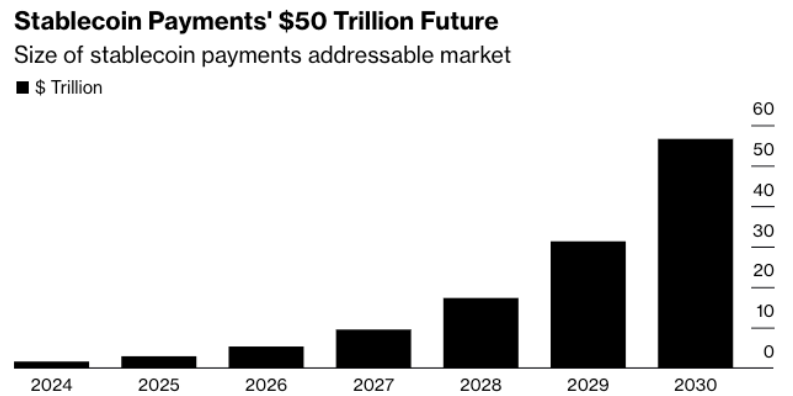
The expansion to the US and UAE positions HSBC alongside other major banks, such as JPMorgan, which recently launched the JPM Coin, another deposit token representing US dollar deposits within the bank’s traditional banking framework.
Kohli emphasized the growing interest among corporate clients, saying, “Nearly every large company that we have a conversation with, we are seeing a big theme around treasury transformation.”
Stablecoins Remain on the Radar
While HSBC is prioritizing tokenized deposits, the bank has not ruled out issuing a stablecoin in the future. Kohli explained that legal and regulatory clarity is still needed before any such step can be taken.
The rollout of tokenized deposits highlights a broader trend of banks integrating blockchain solutions into traditional finance, offering faster, programmable, and interest-bearing alternatives to conventional stablecoins. With expansion into key markets like the US and UAE, HSBC is clearly positioning itself at the forefront of the evolving digital finance landscape.
Disclaimer
This content is for informational purposes only and does not constitute financial, investment, or legal advice. Cryptocurrency trading involves risk and may result in financial loss.