
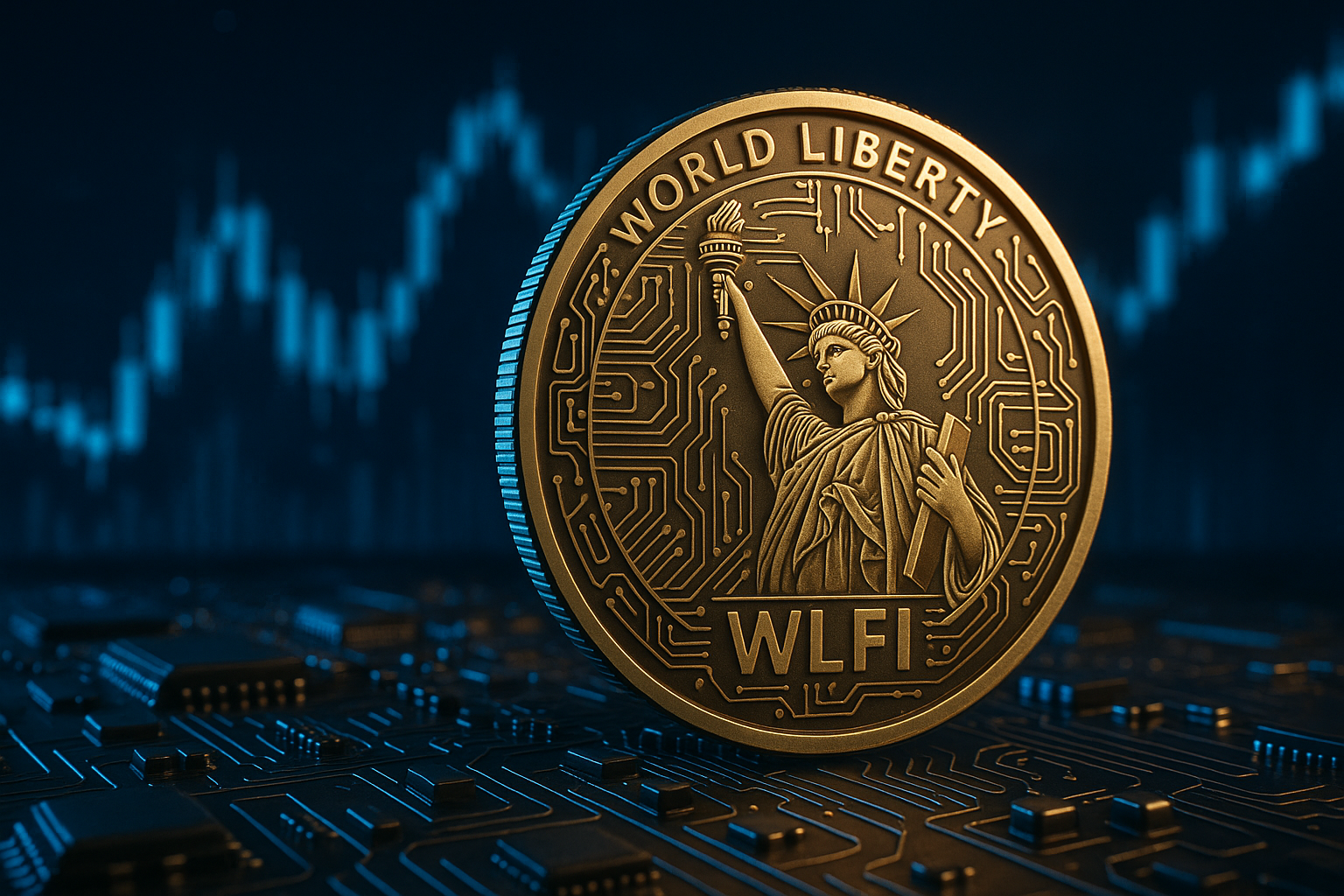
Trump-linked blockchain project faces scrutiny as impacted wallets remain locked after phishing attack
The crypto sector is once again wrestling with the tension between decentralization and platform oversight after World Liberty Financial (WLFI) confirmed it will freeze and reassign assets tied to wallets compromised during a pre-launch phishing incident. Despite branding itself as a “community governed” network, the project’s unilateral account actions have triggered debate across the digital asset ecosystem.
WLFI Reallocates Assets After Wallet Compromise
WLFI said a targeted phishing attack exposed seed phrases for a portion of its user base. According to the project, the breach originated from third-party security failures, not vulnerabilities within its smart contracts or platform infrastructure.
The platform emphasized that “attackers gained access to user wallets through external lapses,” stressing that internal systems were not the source of the compromise.
As part of the remediation process, WLFI will redistribute affected assets only to users who have completed full KYC verification. Wallets belonging to non-verified users will remain locked until further notice. WLFI first halted the compromised wallets in September while investigating the incident.
Concerns Over Freezing and Blacklisting Controls
Blockchain records show the platform blacklisted 272 wallets, with most tied to the phishing operation. WLFI said proactive intervention was necessary to stop attackers from draining funds, stating it is working with verified owners to secure their assets.
A decentralized governance researcher noted the move has “opened a broader conversation about who ultimately controls user funds” and whether the power to freeze or reassign balances aligns with WLFI’s branding as a community-driven network.
The developer added that the ability to blacklist user wallets without a governance vote raises structural risks for participants.
Supporters See Action as User Protection
Not all community reactions were negative. Some traders described WLFI’s intervention as an important step to safeguard assets and compensate users harmed by the September incident.
The incident has revived industry-wide questions about the balance between user autonomy, platform security, and responsible intervention.
The episode underscores how platforms that market themselves as community-governed must still navigate real-world security threats — often forcing difficult choices that reveal the true extent of their control.
Disclaimer
This content is for informational purposes only and does not constitute financial, investment, or legal advice. Cryptocurrency trading involves risk and may result in financial loss.