
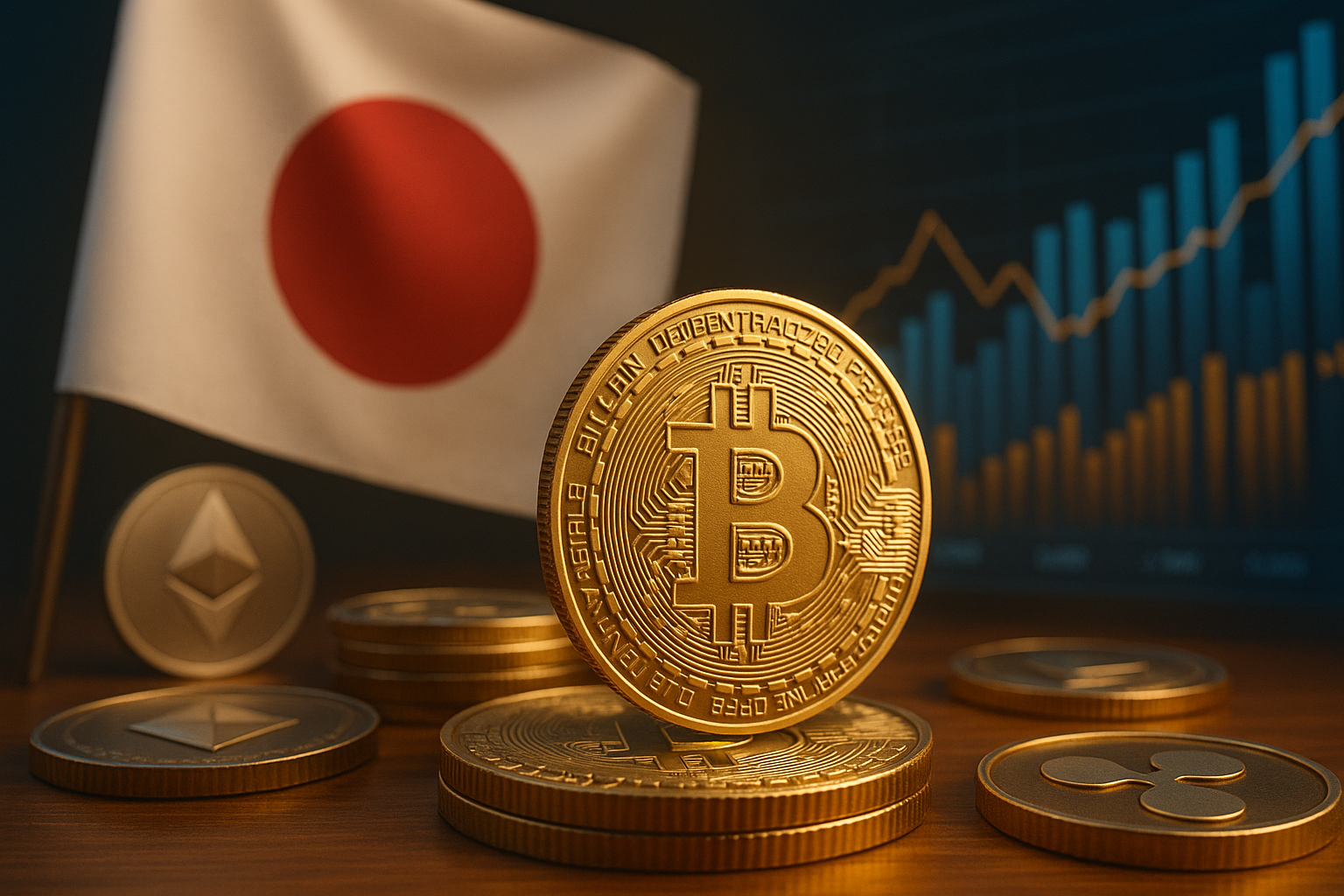
A new advisory report is expected to recommend mandatory reserve funds to ensure rapid compensation for users affected by hacks or technical failures.
Japan is preparing to tighten its regulatory framework for cryptocurrency exchanges as global security breaches continue to raise concerns. According to early reports, the country’s Financial Services Agency (FSA) is moving toward requiring exchanges to maintain liability reserve funds, ensuring users can be compensated swiftly in the event of hacks or operational disruptions. The proposal reflects Japan’s push to reinforce consumer protection in one of the world’s most active crypto markets.
Japan Moves to Strengthen Exchange Safeguards
A report from Japan’s Financial System Council, an advisory body to the FSA, is expected to outline new standards designed to protect crypto users. The upcoming guidelines will reportedly require exchanges to set aside liability reserves, which would act as a dedicated pool of funds for addressing potential losses.
One regulator familiar with the discussions said the goal is to ensure exchanges can provide “immediate and reliable compensation” following security incidents.
The move follows a series of recent high-profile hacks targeting global crypto platforms — a trend that has pushed regulators worldwide to reassess safety measures.
Japan currently has around 12 million registered crypto accounts, highlighting the importance of ensuring user protection in a market with significant participation.
Regulatory Framework Continues to Evolve
The initiative aligns with broader efforts from the FSA to modernize its approach to digital assets. The agency has also signaled willingness to review rules allowing banks to purchase and custody crypto, potentially enabling deeper institutional involvement.
At the same time, Japan is becoming a growing hub for stablecoin innovation. After establishing a framework for yen-backed digital assets, fintech firm JPYC launched a fully collateralized stablecoin in October, backed one-to-one by bank deposits and government bonds.
Stablecoin Expansion Gains Momentum
Japan significantly tightened stablecoin rules in 2022, restricting issuance to licensed banks and trust companies. But regulators have since opened the door to a more flexible environment, projecting approval for the first fully regulated yen-pegged token by 2026.
Major financial institutions — including Mitsubishi UFJ Financial Group, Sumitomo Mitsui Banking Corp, and Mizuho Bank — launched their Progmat tokenization platform last year and are exploring their own stablecoin offerings.
Monex Group has also revealed interest in issuing a yen-pegged asset.
Japan’s plan to require liability reserves marks a decisive step toward strengthening consumer protections in the rapidly expanding digital asset economy. As one of the most active crypto markets globally, the country’s evolving regulatory landscape is poised to influence broader industry standards — particularly as more banks and established financial institutions enter the ecosystem.
Disclaimer
This content is for informational purposes only and does not constitute financial, investment, or legal advice. Cryptocurrency trading involves risk and may result in financial loss.