
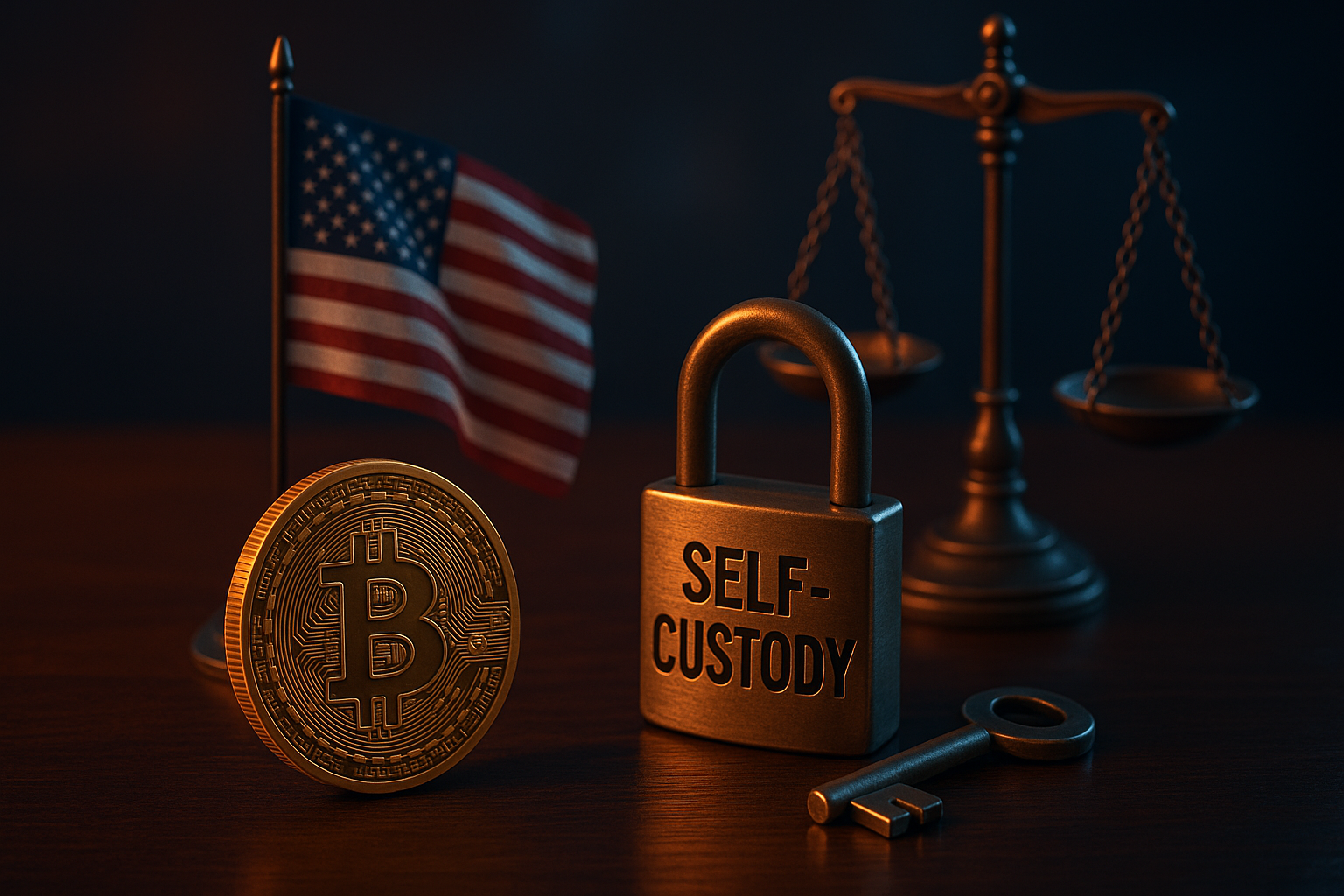
SEC Commissioner Hester Peirce reinforces the principle of individual financial control as lawmakers delay key crypto legislation
The debate around crypto self-custody and financial privacy is taking center stage again in the United States, driven by renewed comments from SEC Commissioner Hester Peirce. Her remarks arrive at a time when investors are increasingly shifting from personal wallets to exchange-traded products, raising questions about the long-term direction of digital asset ownership.
Crypto Self-Custody and Financial Privacy in U.S. Regulation
In a recent podcast interview, Peirce emphasized that holding one’s own digital assets is a fundamental right, aligning closely with the nation’s long-standing values of personal freedom. She questioned why Americans should be required to rely on intermediaries to safeguard their property, noting that self-custody is central to financial independence.
Peirce also stressed that privacy should be the default standard in online transactions, challenging the assumption that private financial activity suggests wrongdoing. This viewpoint contrasts with growing regulatory pressure for increased transparency and monitoring in digital finance.
The Digital Asset Market Structure Clarity Act, a bill that outlines rules for asset classification, AML oversight, and self-custody protections, has been pushed back until 2026. This delay prolongs industry uncertainty, leaving both institutions and retail investors navigating a regulatory landscape still in flux.
Shifting Trends: ETFs vs. Personal Wallets
Market analysts note a significant trend: self-custodied Bitcoin holdings are declining for the first time in 15 years. The shift began after the SEC allowed in-kind creations and redemptions for crypto ETFs, enabling investors to move assets into these funds without triggering taxable events.
Experts say this convenience is pulling long-term holders toward ETFs, even though it challenges the long-standing principle of “not your keys, not your coins.” The move has sparked debate within the Bitcoin community, where many argue that third-party custody compromises the ecosystem’s foundational ideals.
The tension between regulatory oversight, investor convenience, and individual financial rights continues to shape the future of digital assets. As U.S. policymakers revisit crypto legislation, the balance between freedom, privacy, and market structure will remain a defining issue for the industry.
Disclaimer
This content is for informational purposes only and does not constitute financial, investment, or legal advice. Cryptocurrency trading involves risk and may result in financial loss.