
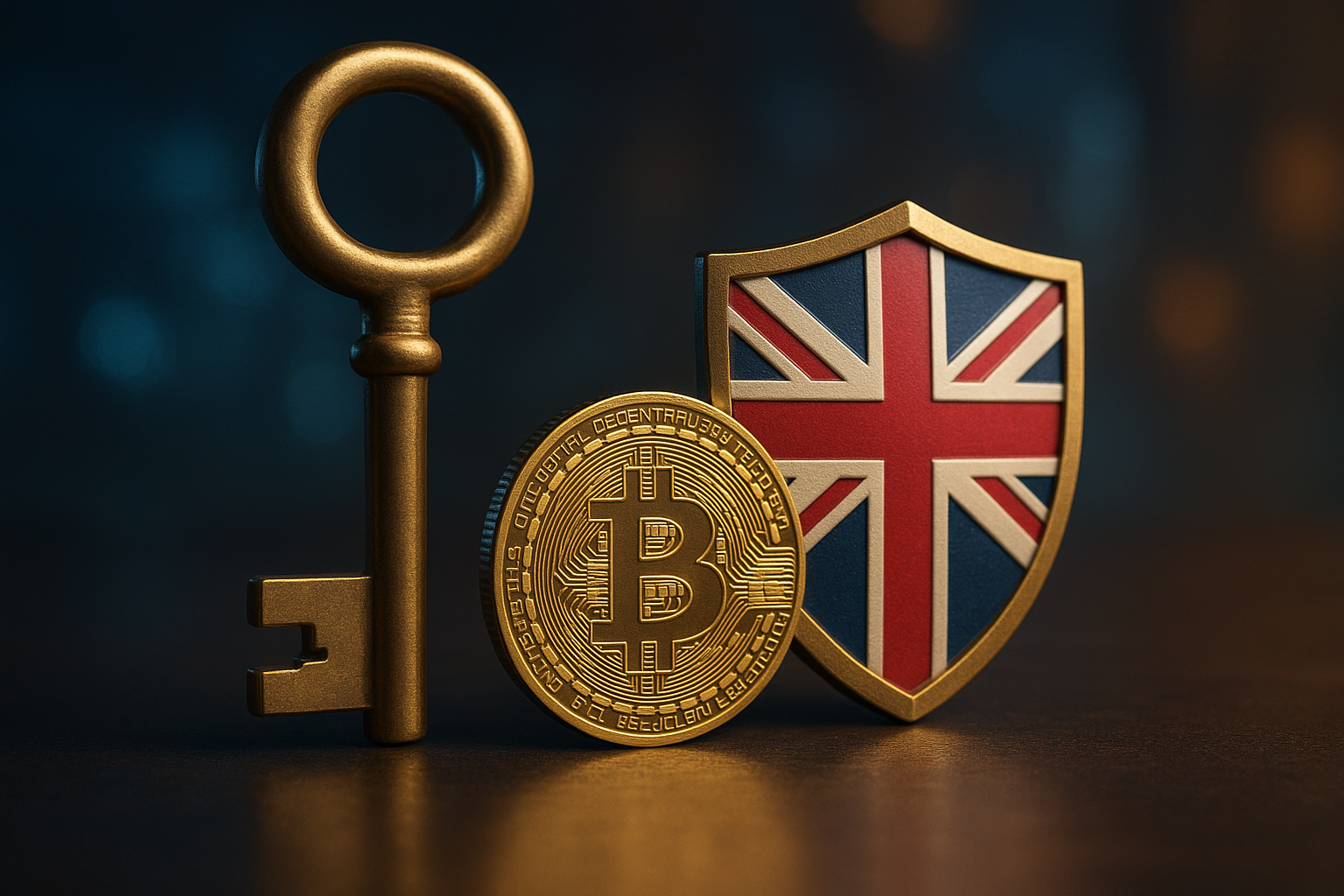
New law grants digital assets explicit property status, strengthening ownership, protection and market development
The United Kingdom has taken a major regulatory leap with the passage of the Property (Digital Assets etc) Bill, formally recognizing cryptocurrencies and other digital assets as personal property. The bill received royal assent this week, solidifying its place in statute and marking what advocates describe as a transformative moment for the country’s digital economy.
For years, English common law had treated digital assets as property through individual court rulings. The new legislation codifies that principle, providing a unified legal foundation. One policy expert called the measure a “massive step forward” that gives digital asset holders stronger protections and clearer rights.
Digital Assets Formally Classified as Personal Property
Under the reform, digital or electronic ‘things’ can now be explicitly recognized as objects of personal property rights. UK law traditionally distinguishes between “things in possession”—tangible items—and “things in action”—intangible claims. The bill clarifies that a digital asset is not excluded simply because it fits neatly into neither category.
Legal specialists say this removes past ambiguity that complicated court disputes. By acknowledging the dual nature of digital assets, the framework supports more predictable outcomes in litigation and asset recovery.
Clarity for Consumers and a Boost for Innovation
Advocacy groups say the law provides greater clarity and protection for the estimated 12% of UK adults who own crypto.
The reform also strengthens the country’s position as a hub for tokenized financial products and real-world asset markets. With a broader regulatory regime already in development, the UK aims to foster growth while ensuring strong consumer safeguards.
By establishing an explicit legal foundation for ownership and transfer, the UK moves closer to a more secure and innovation-ready digital asset landscape.
Disclaimer
This content is for informational purposes only and does not constitute financial, investment, or legal advice. Cryptocurrency trading involves risk and may result in financial loss.