

Kalshi Legal Battle With State Regulators Intensifies
A federal court has temporarily halted the Connecticut Department of Consumer Protection (DCP) from pursuing enforcement against prediction markets operator Kalshi, marking a significant development in the company’s expanding regulatory clashes across the United States.
Kalshi, a federally regulated markets platform under the Commodity Futures Trading Commission (CFTC), came under scrutiny after Connecticut issued a cease and desist order alleging the firm was offering unlicensed online gambling tied to sports event contracts. The ruling now pauses the state’s action as the court examines whether federal commodities law supersedes state gambling regulations.
Temporary Restraining Order Protects Kalshi
The DCP issued its notice on Dec. 2 to Kalshi, as well as to other financial platforms, accusing them of facilitating sports wagering without authorization. In response, Kalshi filed suit, arguing its contracts are lawful under federal oversight and fall squarely within the CFTC’s exclusive jurisdiction.
Judge Vernon Oliver ordered the state to refrain from taking enforcement action while the matter is under review. The court set deadlines requiring the DCP to respond by Jan. 9, while Kalshi must submit additional arguments by Jan. 30, with oral hearings scheduled for mid-February.
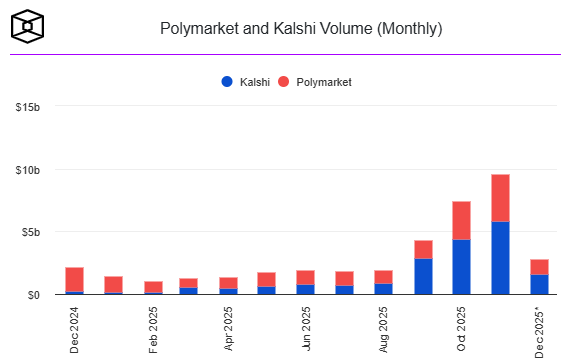
Kalshi’s rise has been rapid, with the platform registering a record monthly trading volume of $4.54 billion in November and securing a funding round valuing the firm at over $11 billion. However, this growth has brought intensified scrutiny from state regulators.
The company is simultaneously challenging actions in New York, Massachusetts, New Jersey, Nevada, Maryland, and Ohio, arguing each state is overreaching into federally regulated territory. As these cases develop, the Connecticut decision represents a temporary victory for Kalshi amid a broader national dispute over whether event-based contracts constitute gambling or commodities trading.
Disclaimer
This content is for informational purposes only and does not constitute financial, investment, or legal advice. Cryptocurrency trading involves risk and may result in financial loss.