
Architect Financial Technologies Targets Institutional Traders With Regulated Global Perpetual Futures Platform
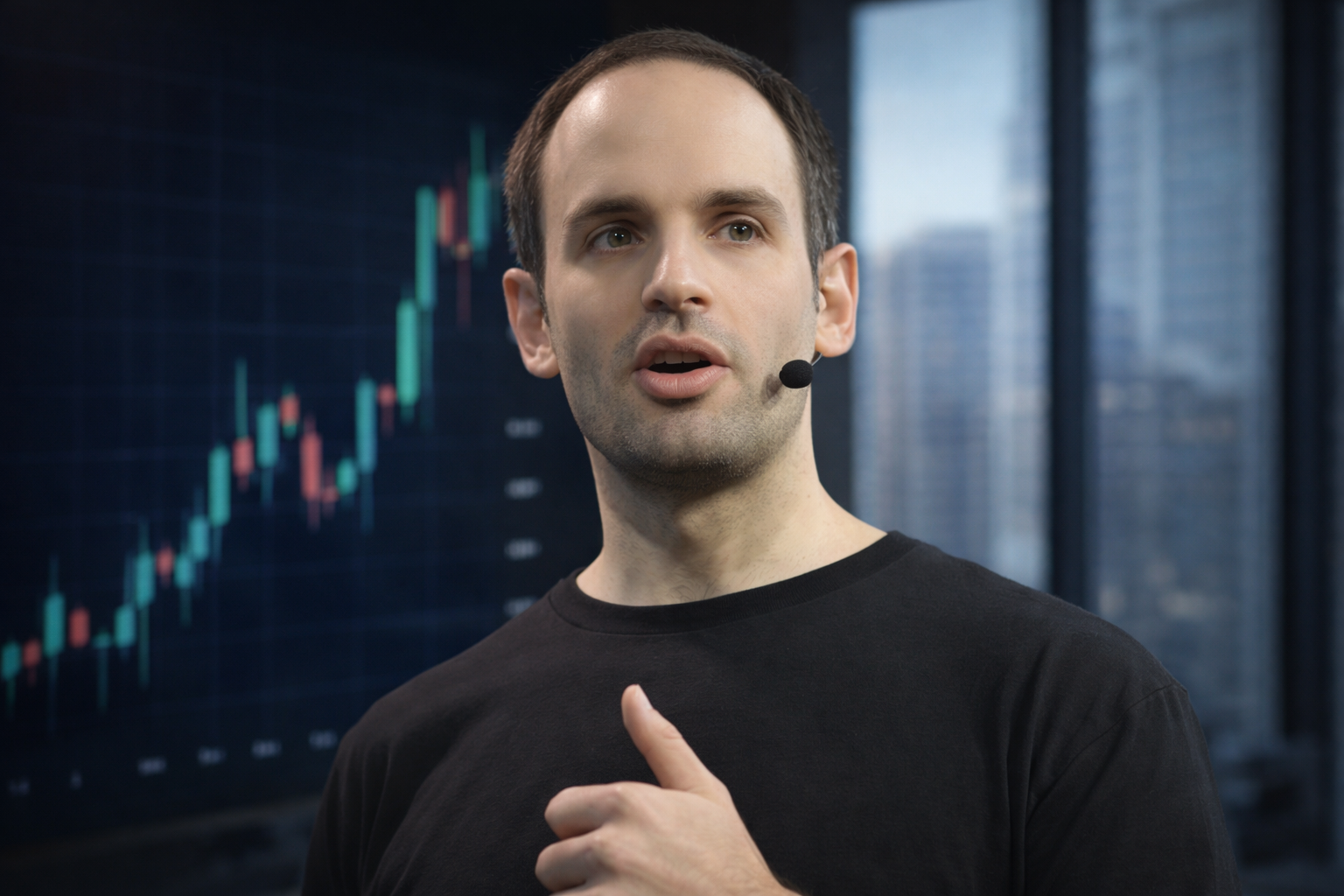
Former FTX US president Brett Harrison has raised $35 million to build a regulated exchange focused on perpetual futures tied to traditional financial assets, signaling growing institutional interest in innovative market structures beyond digital assets.
The funding supports Architect Financial Technologies, a startup developing a global exchange known as Ax, which allows institutional traders to access non-expiring perpetual futures linked to assets such as equities and foreign exchange. The platform is deesigned for non-U.S. participants and operates under Bermuda regulation, reflecting ongoing regulatory limitations in the United States around perpetual futures for traditional markets.
The investment round was led by major market infrastructure and capital firms, valuing the company at approximately $187 million. The backing highlights increasing confidence that crypto-native market mechanics, particularly perpetual contracts, can be adapteed to regulated environments serving macro and real-world assets.
Unlike many platforms that popularized perpetuals through digital asset trading, AX deliberately excludes crypto-linked contracts. Its focus is on applying the efficiency, liquidity design, and capital optimization of crypto derivatives to conventional finance.
Industry observers note rising demand for products that offer synthetic exposure to traditional markets without requiring direct ownership of underlyingassets. However, regulatory approval in the U.S. remains a key constraint, pushing innovation offshore for now.
Since leaving FTX US in 2022 Harrison has positioned AX as a bridge between modern trading infrastructure and global regulated finance, aiming to reshape how institutions engage with derivatives markets.
Disclaimer
This content is for informational purposes only and does not constitute financial, investment, or legal advice. Cryptocurrency trading involves risk and may result in financial loss.