
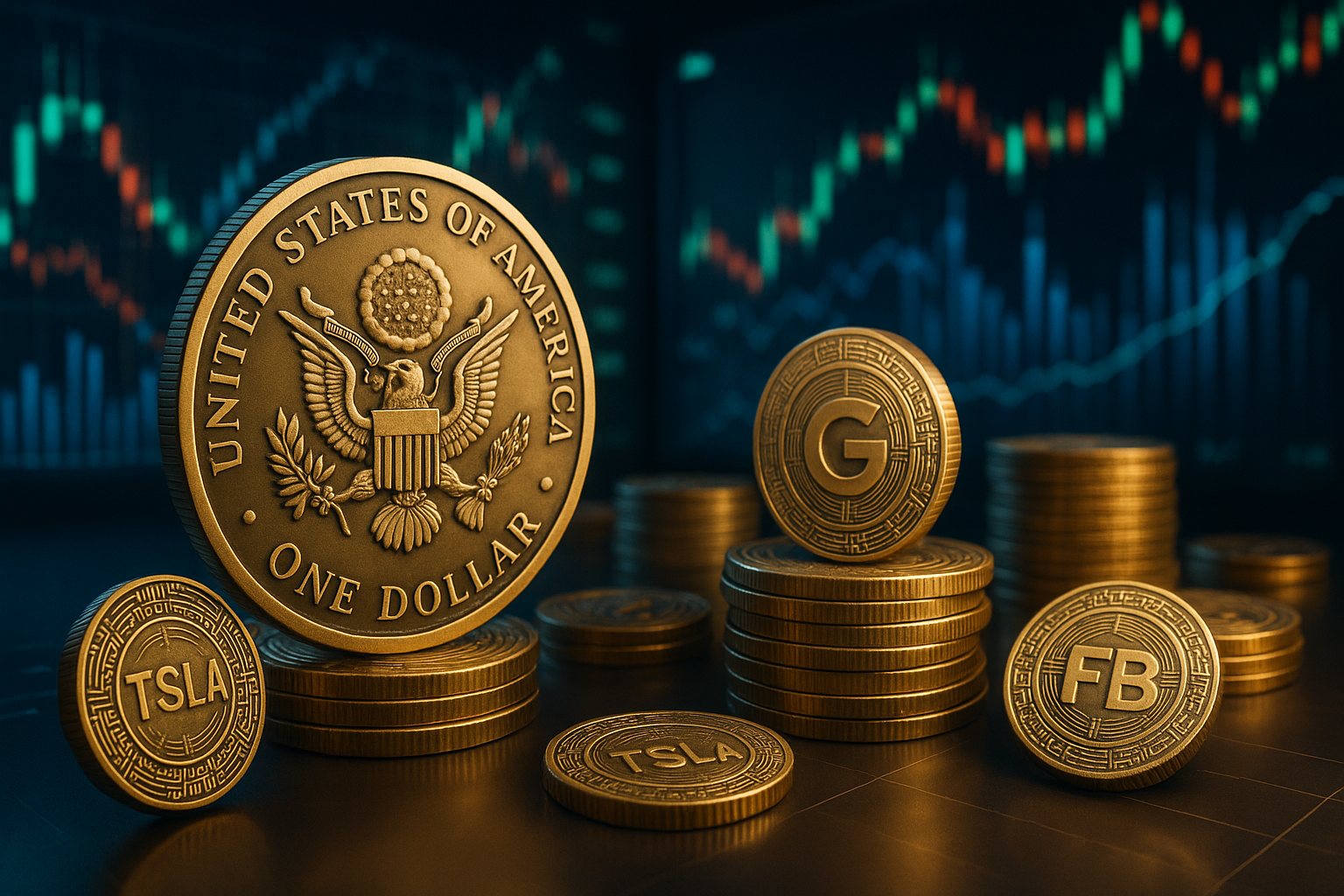
U.S. regulators prepare for expanded oversight as crypto markets evolve with tokenization and innovative financial products.
crypto regulation in the U.S. is set for significant developments as the Securities and Exchange Commission (SEC pursues an ambitious agenda and the Commodity Futures Trading Commission (CFTC) takes on a more influential role. After previous years of overlapping authority disputes, the two agencies are moving toward greater cooperation, aiming to clarify the regulatory landscape for digital assets, tokenization, and decentralized finance.
The SEC is focusing on token classification, exemptions, and token taxonomy, aiming to delineate which digital assets qualify as securities. Initiatives like Project Crypto seek to update existing rules to accommodate new crypto products, while innovation exemptions are designed to fast-track compliant offerings. The agency has also approved listing standards for crypto ETFs tracking assets such as DOGE, SOL, and XRP, and issued guidance clarifying that proof-of-stake staking does not constitute securities transactions.
Tokenization of real-world assets (RWAs) is emerging as a regulatory priority, exemplified by the SEC’s no-action letter to the Deposit Trust Company, allowing limited tokenized offerings of ETFs, U.S. Treasury securities, and equity indices under controlled conditions.
The CFTC is gaining momentum with a more empowered role under Chair Michael Selig, focusing on spot crypto products, bitcoin markets, and overall market infrastructure. The agency’s prior efforts, including the “Crypto Sprint”, have clarified trading rules and supported regulated exchanges listing digital assets, reinforcing the CFTC’s influence over commodities like bitcoin.
With fewer commissioners at both agencies but a clear strategic agenda, 2026 is poised to bring enhanced regulatory clarity, collaboration between the SEC and CFTC, and measured adoption of tokenization and crypto innovation. These efforts are expected to shape market confidence and infrastructure development across the U.S. cryptocurrency ecosystem.
Disclaimer
This content is for informational purposes only and does not constitute financial, investment, or legal advice. Cryptocurrency trading involves risk and may result in financial loss.