

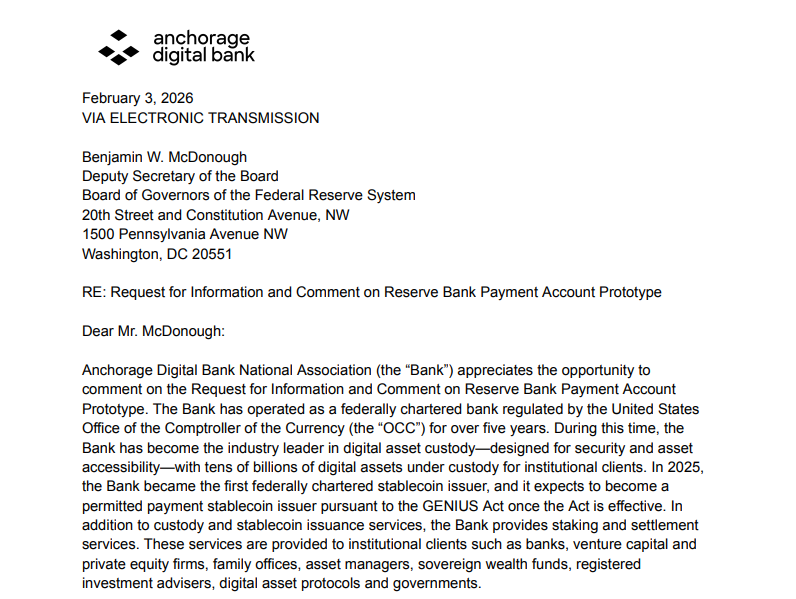
The Federal Reserve’s proposal to introduce a limited-access “skinny master account” has triggered sharp debate among crypto-focused banks, blockchain groups, and community banking organizations. Nearly 30 public comment letters were submitted ahead of the deadline, reflecting deep divisions over who should be allowed direct access to U.S. payment infrastructure.
What Is a Skinny Master Account?
A master account gives financial institutions direct access to Federal Reserve payment services. The proposed “skinny” version would offer more restricted access, excluding benefits such as earning interest on balances or borrowing from the Fed’s discount window. The central bank says the goal is to modernize access while reducing systemic risk as new financial models emerge.
Crypto Banks Push for Fewer Limits
Crypto-focused institutions and blockchain payment groups largely welcomed the proposal but warned that certain restrictions could undermine its usefulness. One key concern is a proposed overnight balance cap—set at either $500 million or 10% of an institution’s assets—which critics argue would force funds back into correspondent banks, reviving credit and operational risks the account is meant to reduce.
Community Banks Warn of Safety Risks
Community banking associations took a more cautious stance. They argued that master account access has traditionally been limited to insured, heavily regulated institutions and that extending access to newer financial firms could introduce consumer protection and financial stability risks. Some groups also warned of competitive imbalances if novel institutions gain Fed access without comparable regulatory obligations.
The debate highlights a broader policy challenge: balancing innovation in payments and digital assets with long-standing safeguards designed to protect the U.S. financial system.
Disclaimer
This content is for informational purposes only and does not constitute financial, investment, or legal advice. Cryptocurrency trading involves risk and may result in financial loss.