
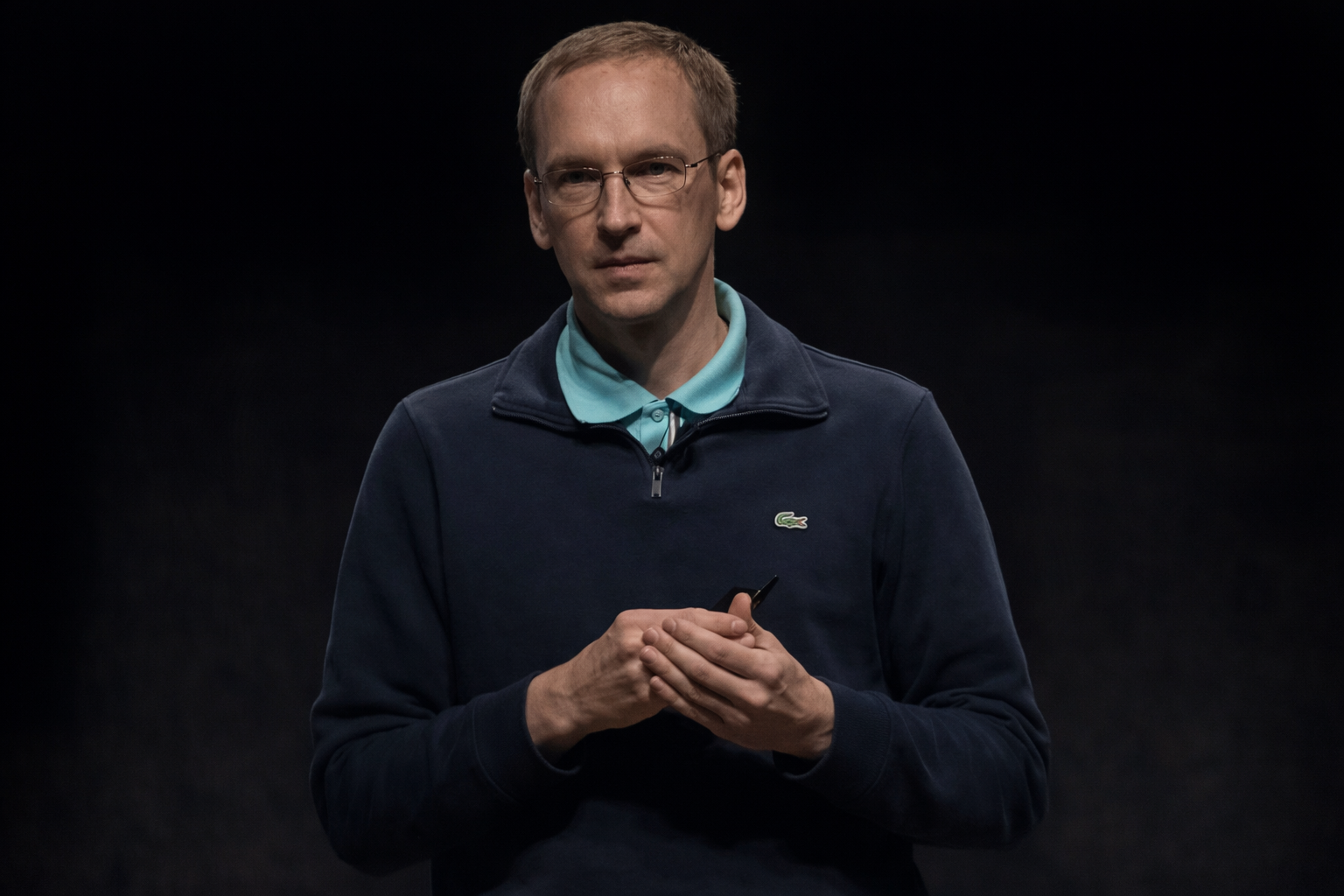
Internal disputes within decentralized autonomous organizations can strengthen, rather than weaken, blockchain based governance systems, according to Michael Egorov, founder of Curve Finance.
DAO Governance Debate Reflects Active Community Participation
Decentralized autonomous organizations (DAOs) manage some of the largest decentralized finance protocols through token-holder voting and smart contract automation. Egorov argues that disagreement is a sign that members are actively engaged. In contrast, unanimous votes or low participation may indicate governance apathy.
A 2024 proposal within the Curve DAO to grant funding to Swiss Stake AG, a core development entity behind the protocol, faced resistance from community members. The proposal was later revised and resubmitted in December 2025, drawing more than 80% voter turnout a level of engagement that stands out in the DAO landscape, where participation often remains below 15%.
Token Locking Encourages Long-Term Governance
Curve’s governance structure requires token holders to lock assets for extended periods, incentivizing long-term involvement in decision-making. Egorov compares DAO dynamics to political systems, where debate and competing viewpoints shape outcomes.
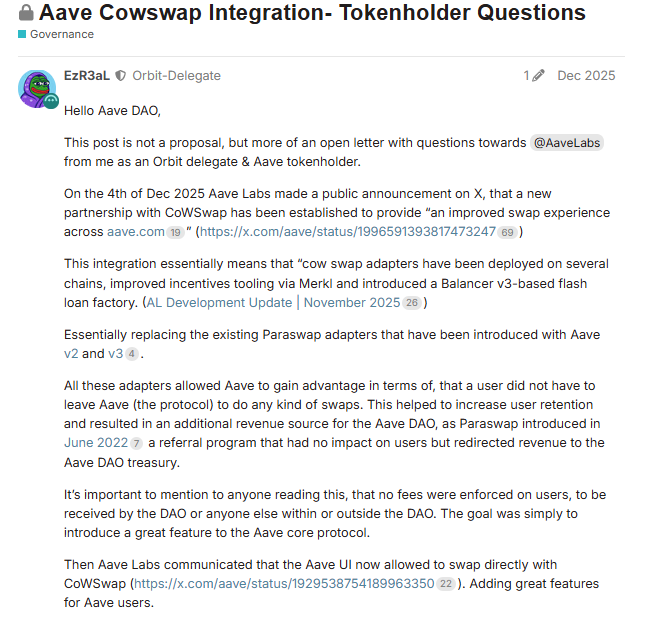
A separate dispute within the Aave DAO in late 2025 underscored tensions between development teams and decentralized communities. The disagreement centered on fee distribution from an integration with CoW Swap and raised broader questions about intellectual property ownership.
Egorov noted that clearer legal recognition of DAOs could help resolve such conflicts, particularly when protocols interact with off-chain entities, bank accounts, or formal business structures.
Disclaimer
This content is for informational purposes only and does not constitute financial, investment, or legal advice. Cryptocurrency trading involves risk and may result in financial loss.