
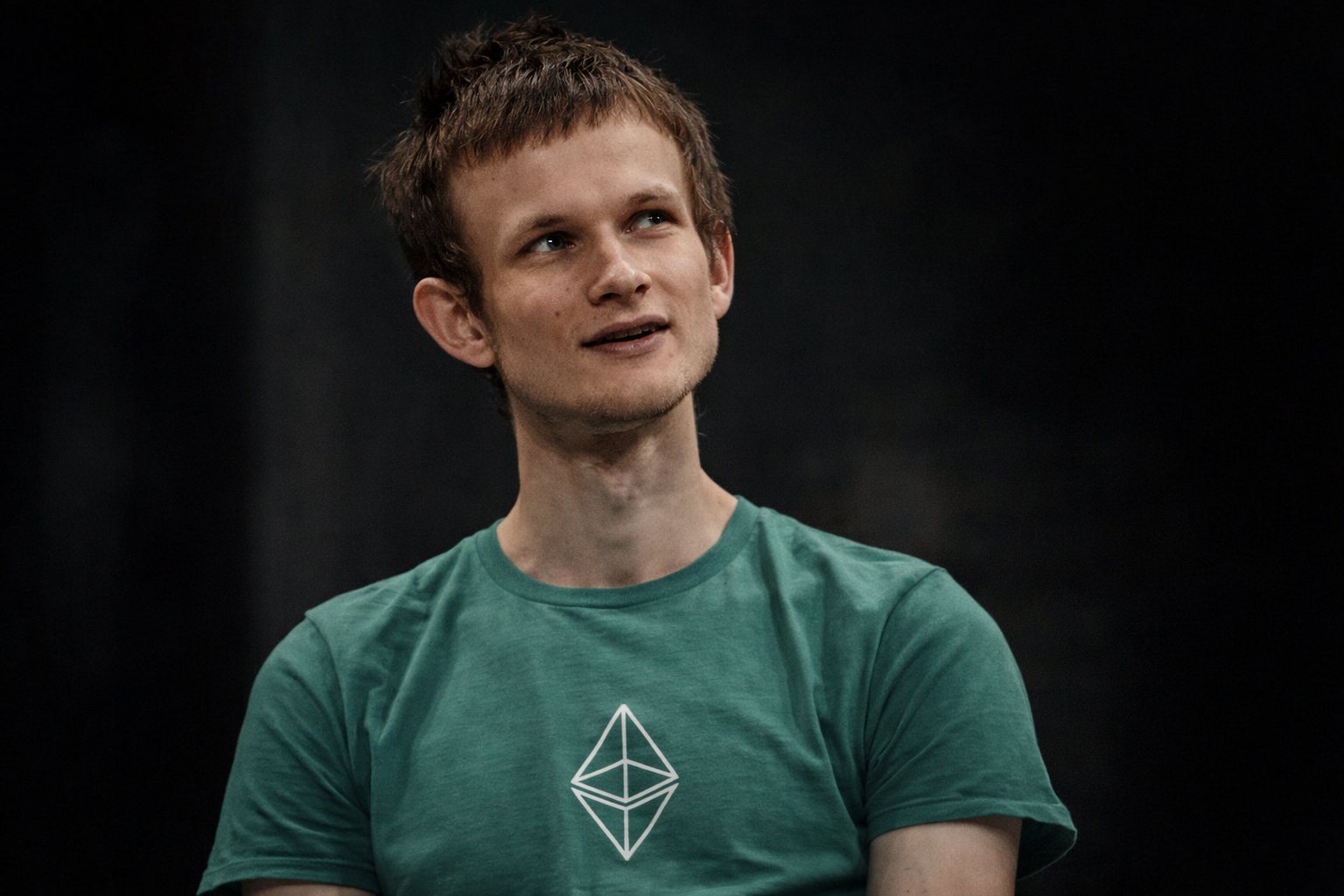
Ethereum co-founder Vitalik Buterin has proposed integrating artificial intelligence into decentralized autonomous organization governance to address low voter participation and decision-making inefficiencies. His remarks highlight a growing concern within decentralized ecosystems: limited human attention and the increasing complexity of governance proposals.
AI in DAO Governance to Address Low Participation Rates
DAOs often struggle with voter turnout, with participation rates commonly ranging between 15% and 25%. Such low engagement can concentrate influence in the hands of a few active delegates, increasing the risk of governance centralization. In extreme cases, insufficient oversight may leave protocols vulnerable to governance attacks, where large token holders push through controversial proposals with minimal resistance.
Buterin argues that personal AI assistants powered by large language models could help token holders make informed decisions. These systems would analyze a user’s previous statements, preferences, and voting history to cast votes aligned with their views. When faced with particularly complex or high stakes proposals, the AI could request direct user input while summarizing key information.
Privacy-Preserving AI Models in Decentralized Decision-Making
Another key challenge in DAO governance involves handling sensitive or confidential information. Buterin suggests that privacy-focused AI systems could evaluate restricted data and output only a final decision, protecting both individual and organizational confidentiality. As decentralized governance evolves, safeguarding personal data while expanding participation may become central to sustainable blockchain ecosystems.
Disclaimer
This content is for informational purposes only and does not constitute financial, investment, or legal advice. Cryptocurrency trading involves risk and may result in financial loss.