

Stablecoins may become a powerful force in U.S. government debt markets, with analysts at Standard Chartered projecting up to $1 trillion in new demand for Treasury bills by 2028. The bank expects the global stablecoin market capitalization to expand to $2 trillion by that time, up from roughly $300 billion today.
According to the research, that growth would translate into approximately $0.8 trillion to $1 trillion in fresh demand for short-dated U.S. government debt, as regulated issuers accumulate high-quality liquid assets to back their tokens.
GENIUS Act Framework and Treasury Issuance Shift
Under the GENIUS Act, U.S.-regulated stablecoin issuers must hold reserves primarily in short-term Treasurys. As a result, demand is expected to concentrate in the 0- to 3-month segment of the yield curve.
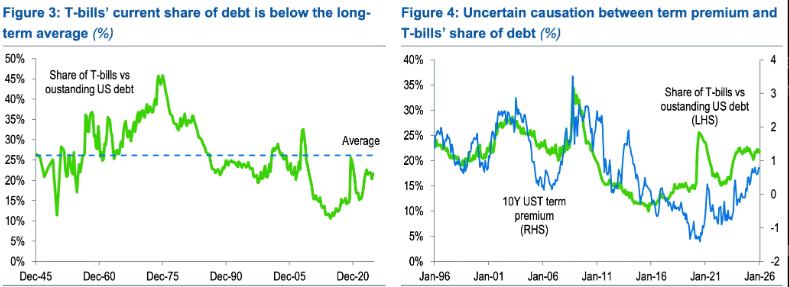
Analysts suggest the U.S. Treasury could respond by increasing the share of T-bills in total issuance. A 2.5 percentage-point rise in the bill share over three years could generate about $0.9 trillion in additional supply, potentially offsetting shortages. Such a move might even allow a temporary pause in 30-year bond auctions if front-end demand accelerates.
Market Impact and Fiscal Considerations
The report estimates total new bill demand including Federal Reserve operations could reach $2.2 trillion through 2028, exceeding projected supply. That imbalance could push short-term securities into scarcity and flatten the yield curve.
However, heavier reliance on T-bills increases rollover risk and could heighten sensitivity to shifts in investor appetite. As stablecoin adoption expands, its influence on both crypto markets and sovereign debt financing appears set to deepen.
Disclaimer
This content is for informational purposes only and does not constitute financial, investment, or legal advice. Cryptocurrency trading involves risk and may result in financial loss.