

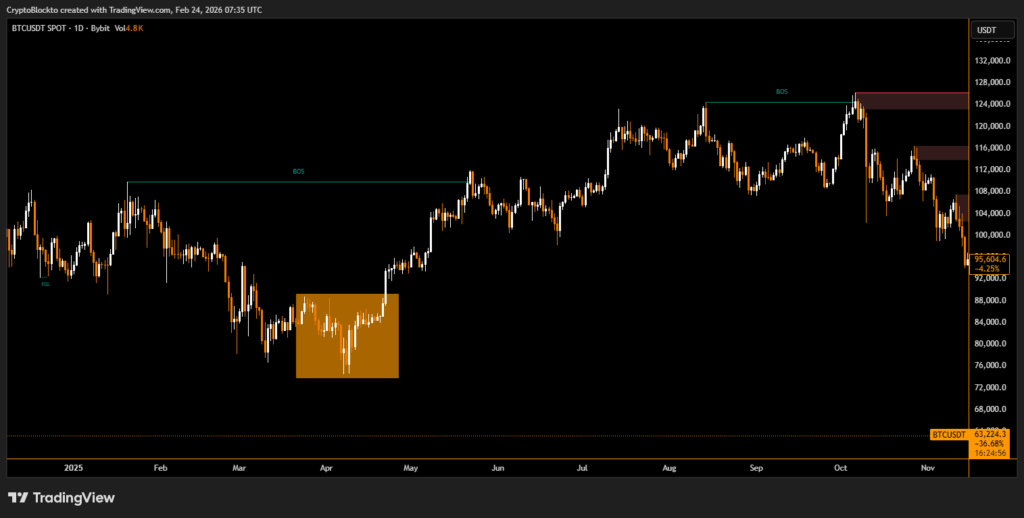
Bitcoin has spent nearly three weeks trading below the $75,000 level, with recent price action dipping toward the $64,000 range amid renewed global market volatility. Investor caution intensified after President Donald Trump approved a 15% baseline import tariff, followed by additional reciprocal tariffs on dozens of countries, including a 34% rate on China. The broader risk-off mood pushed equities lower and weighed on crypto sentiment.
Historically, however, Bitcoin has often rebounded strongly after macro driven sell offs. During the March 2020 liquidity crisis, Bitcoin initially plunged but later rallied from roughly $4,400 to $42,000 as monetary conditions eased. Similar patterns have emerged when central bank liquidity pressures peaked.
Federal Reserve Liquidity and Risk Assets
Data from the Federal Reserve show periodic spikes in overnight repurchase operations during funding stress. While not direct stimulus, elevated repo activity has coincided with turning points in risk assets, including Bitcoin.
Mining Strength and CME Futures Positioning
On chain fundamentals also show resilience. Network hashrate has recovered after a January decline, and many next generation ASIC miners remain profitable even at electricity costs near $0.07 per kilowatt-hour. Meanwhile, large speculators have shifted from net short to net long positions on Chicago Mercantile Exchange Bitcoin futures, according to recent CFTC data.
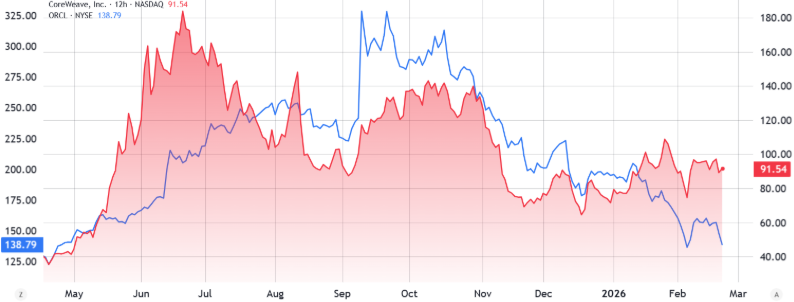
The combination of improving miner economics, professional dip-buying and potential liquidity tailwinds suggests Bitcoin could retest $75,000 if macro pressures stabilize.
Disclaimer
This content is for informational purposes only and does not constitute financial, investment, or legal advice. Cryptocurrency trading involves risk and may result in financial loss.