
Stablecoins are increasingly positioned as a low-cost alternative to traditional foreign exchange infrastructure, particularly in emerging markets. Research from Delphi Digital highlights that sending money through legacy FX corridors can cost up to 8% in total fees in countries such as Argentina and Nigeria. Around 81% of these costs stem from maintaining underlying banking infrastructure, giving blockchain-based payment rails a structural advantage.
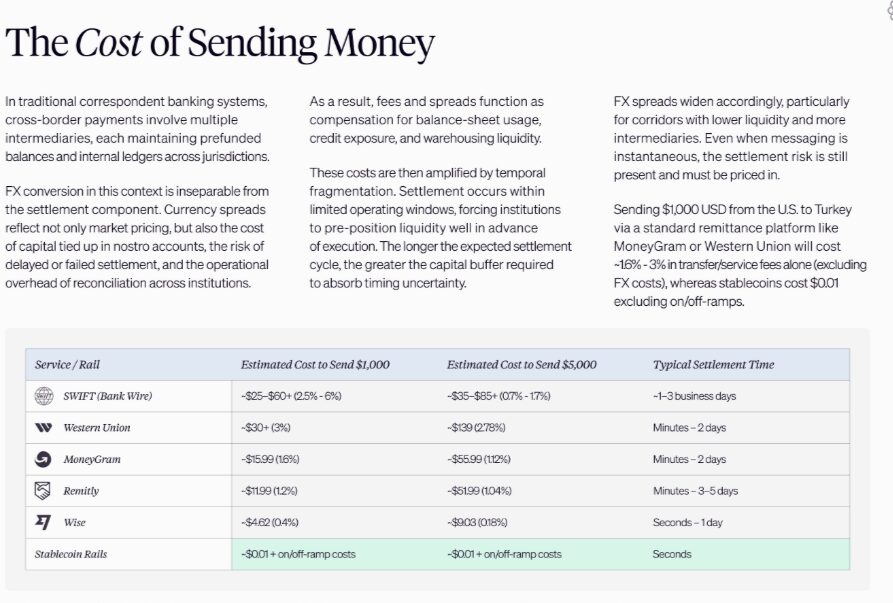
Stablecoins streamline the process by enabling direct settlement in U.S. dollars, eliminating the need for intermediaries and pre-funded local liquidity. Transactions settle instantly, reducing reliance on complex banking chains and minimum volume requirements. This efficiency has driven adoption in regions where remittance costs are high and access to dollar liquidity is limited.
Off-Ramps Create Friction in Adoption
Despite these benefits, off-ramps remain a major bottleneck. Converting stablecoins into local currency or transferring funds into bank accounts still depends on traditional financial systems. These processes introduce delays due to batch settlement schedules and regulatory constraints, offsetting the speed advantages of blockchain transactions.
Industry analysts note that much of the friction exists outside blockchain networks, making regulatory alignment as critical as technological development. Without improvements in banking access and compliance frameworks, seamless integration between digital assets and fiat systems will remain limited.
Stablecoin Supply Continues to Grow
Even amid declining cryptocurrency prices, stablecoin supply has continued to rise, increasing from $308 billion to $316 billion over the past month, according to DeFiLlama.
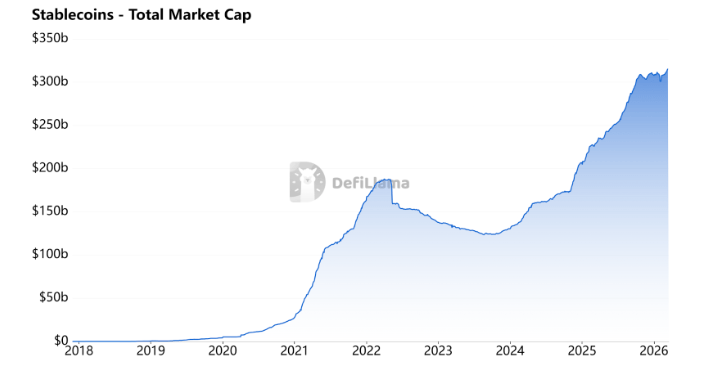
Emerging markets remain a key driver of demand, as individuals and businesses seek faster, cheaper alternatives for cross-border transactions, signaling a gradual shift away from traditional FX systems.
Disclaimer
This content is for informational purposes only and does not constitute financial, investment, or legal advice. Cryptocurrency trading involves risk and may result in financial loss.