

Banks are increasingly testing tokenized deposits as they explore ways to move traditional commercial bank money onto blockchain based payment and settlement systems. Tokenized deposits represent digital versions of standard bank deposits issued directly by banks and operating within existing regulatory frameworks such as deposit insurance, capital rules, and anti-money laundering compliance.
Several banking institutions have already launched pilot programs. In one milestone, a major UK banking group completed a public blockchain transaction using tokenized deposits on a distributed ledger network. Ongoing industry pilots are also testing applications such as person-to-person payments, remortgaging processes, and digital-asset settlement through mid-2026.
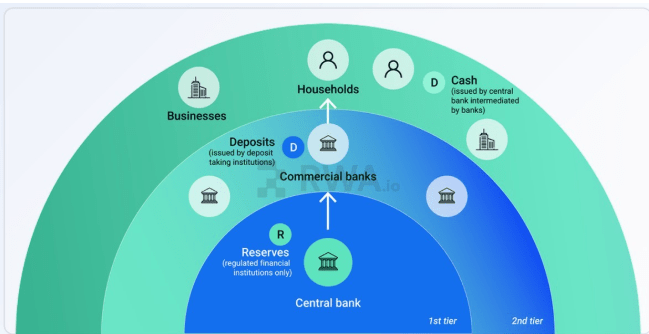
Industry groups suggest tokenized deposits could play a central role in a future financial environment that includes stablecoins and central bank digital currencies. While new digital money formats attract attention, most global payments still rely on commercial bank deposits. Moving these deposits onto digital rails is viewed as a key step in modernizing financial infrastructure while preserving the banking sector’s role in payments and treasury functions.
European Digital Euro and Tokenized Payment Rails
In Europe, policymakers are advancing parallel initiatives to support tokenized finance. Plans include a digital euro pilot expected to begin in the second half of 2027. Authorities are also developing new settlement mechanisms designed to connect blockchain platforms with existing large-value payment infrastructure, with an initial rollout targeted for the third quarter of 2026.
Disclaimer
This content is for informational purposes only and does not constitute financial, investment, or legal advice. Cryptocurrency trading involves risk and may result in financial loss.