
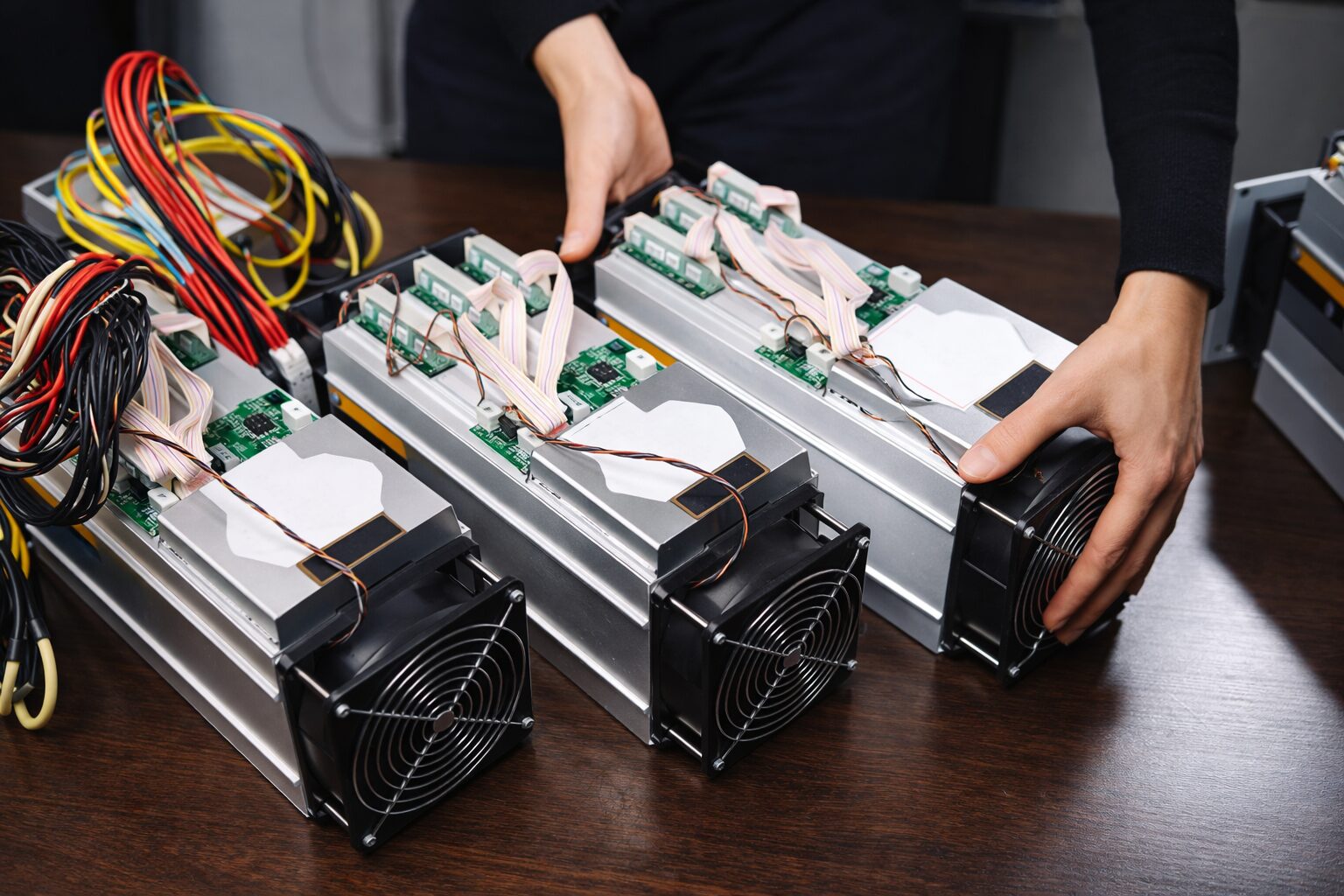
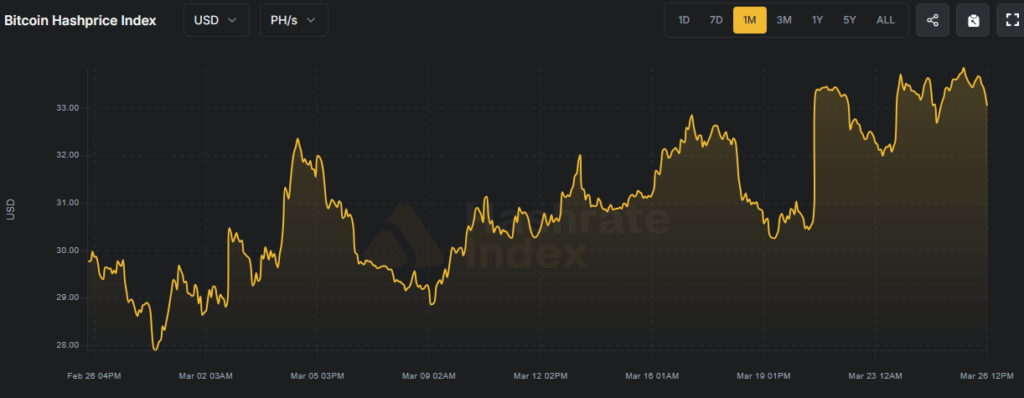
Bitcoin mining profitability is tightening, with a growing share of operators facing financial pressure as revenue metrics fall to multi-year lows. A recent Q1 2026 mining report shows that hashprice, a key indicator of miner earnings, dropped to about $28 per petahash per second per day in February, marking the lowest level recorded since the last halving event.
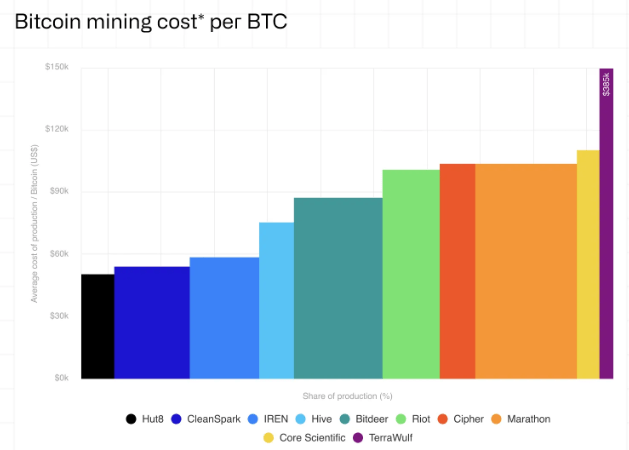
Rising Costs and Older Hardware Push Miners Below Breakeven
Although hashprice has slightly recovered to around $33 per petahash per second per day, it remains among the lowest levels seen in the past five years. At these levels, estimates suggest that roughly 15% to 20% of the global Bitcoin mining fleet is operating at a loss. Operators using older or mid-generation machines are particularly vulnerable, especially those paying electricity costs of about $0.05 per kilowatt-hour or higher.
Mid-generation mining hardware now requires access to electricity below five cents per kilowatt-hour to remain cash-profitable, while newer-generation machines continue to maintain healthier margins under standard industrial power rates.
Network Difficulty Drop Reflects Ongoing Mining Pressure
The financial strain has already affected network performance. On March 20, Bitcoin mining difficulty fell by about 7.7%, one of the steepest declines this year, offering temporary relief to miners still operating.
If Bitcoin prices remain below $80,000 for an extended period, further shutdowns of unprofitable rigs are expected, potentially slowing hashrate growth as weaker operators exit the network.
Disclaimer
This content is for informational purposes only and does not constitute financial, investment, or legal advice. Cryptocurrency trading involves risk and may result in financial loss.