
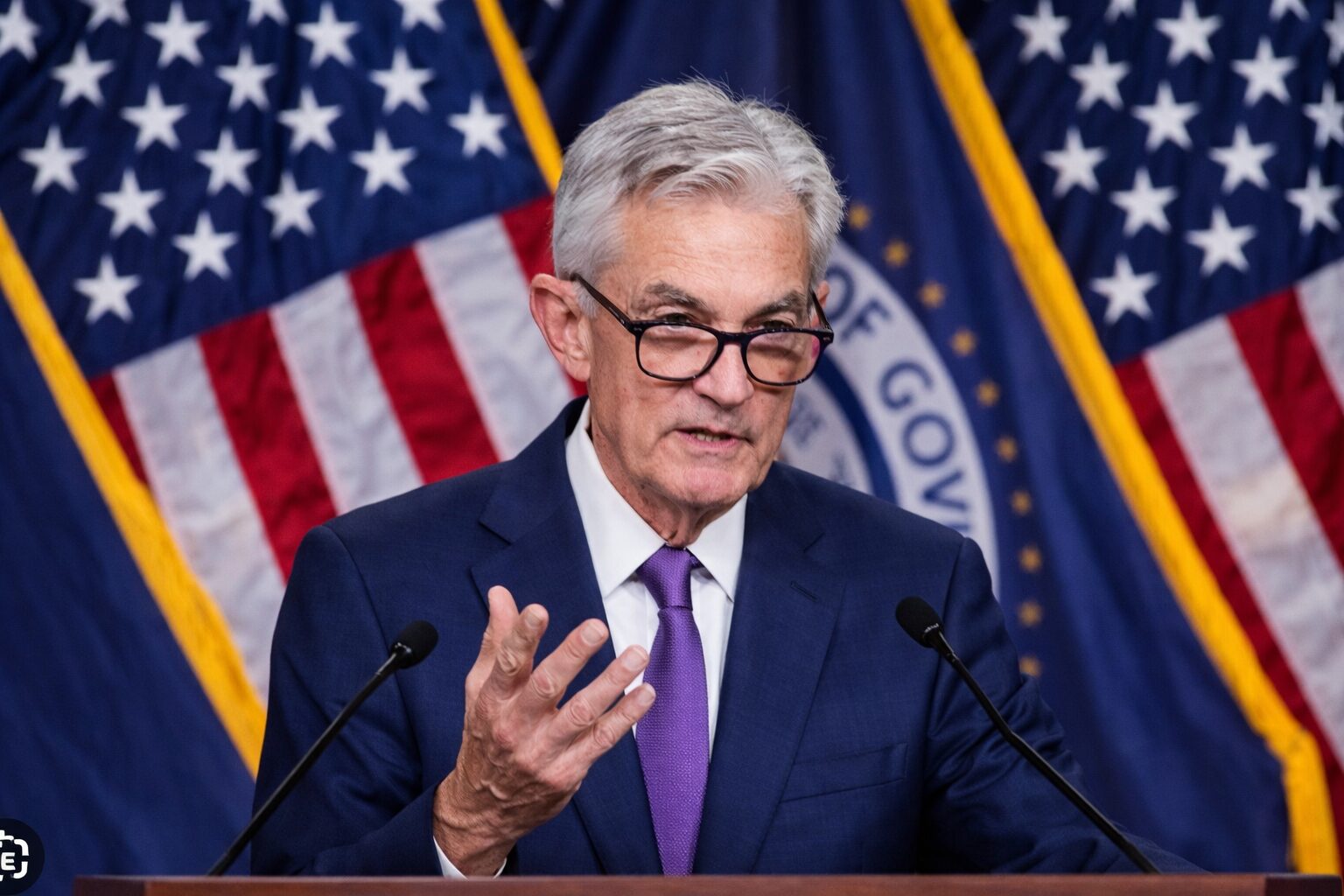
Markets have sharply reversed expectations for U.S. monetary policy, moving from forecasts of multiple interest rate cuts in 2026 to growing expectations of possible rate hikes. Data from the CME FedWatch Tool now shows nearly a 30% chance that the federal funds rate could end the year above its current 3.50%–3.75% range, while the probability of lower rates has dropped to about 2.9%. This sudden shift reflects mounting inflation concerns driven largely by energy markets.
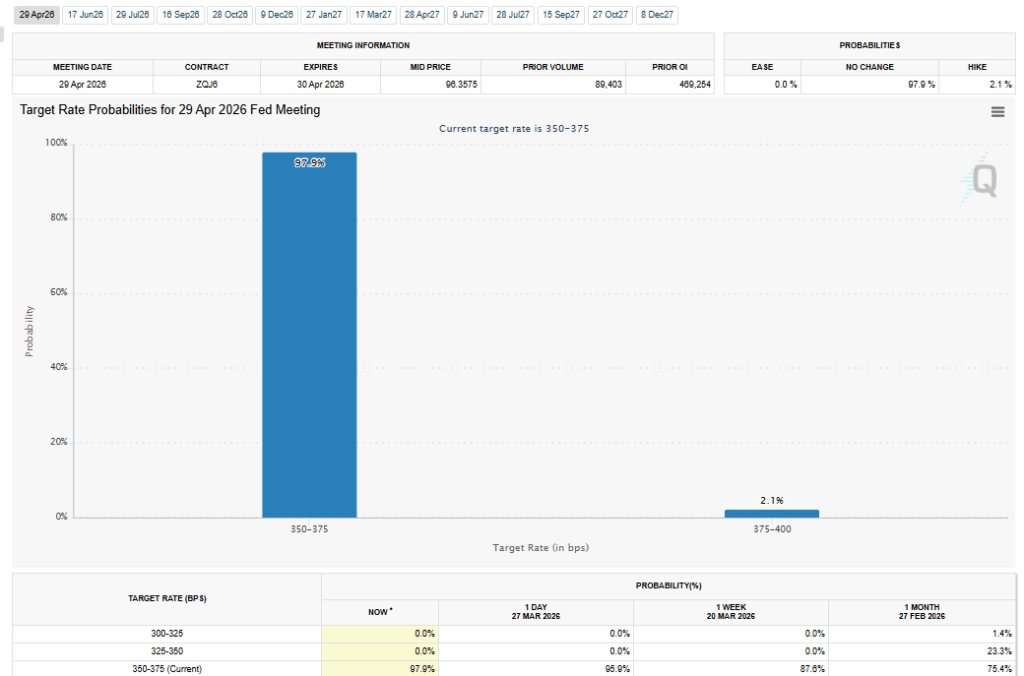
Energy-Led Inflation Pushes Yields Higher
Escalating tensions in the Middle East have pushed Brent crude prices from around $70 per barrel at the end of February to roughly $111, intensifying inflation fears. This surge has also lifted Treasury yields, with the 10-year yield rising to about 4.40% from below 4% only weeks earlier.
Core inflation remained at 2.5% year over year in February, staying above the Federal Reserve’s 2% target, while five-year and ten-year inflation expectations stood near 2.5% and 2.3%.
Bitcoin Holds Steady While Gold and Stocks Weaken
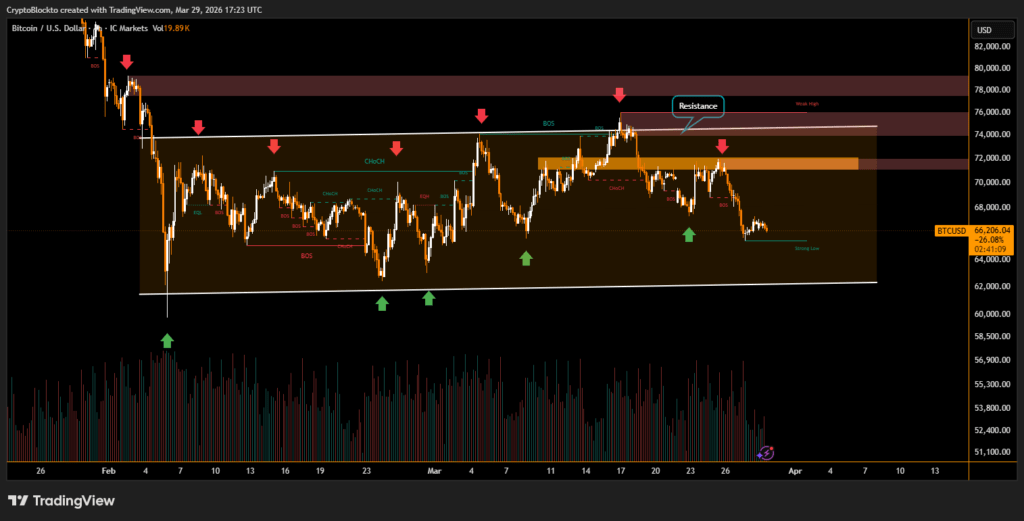
Bitcoin has traded within the $65,000–$70,000 range, showing short-term resilience since the start of the Iran war. Meanwhile, gold has declined about 20% since U.S. attacks began, and the Nasdaq has entered correction territory after falling more than 10% from its 2026 highs. Despite recent stability, bitcoin remains about 50% below its October 2025 record, while gold had doubled over the prior year and the Nasdaq had gained roughly 50% from April 2025 lows, highlighting its weaker longer-term performance.
Disclaimer
This content is for informational purposes only and does not constitute financial, investment, or legal advice. Cryptocurrency trading involves risk and may result in financial loss.