
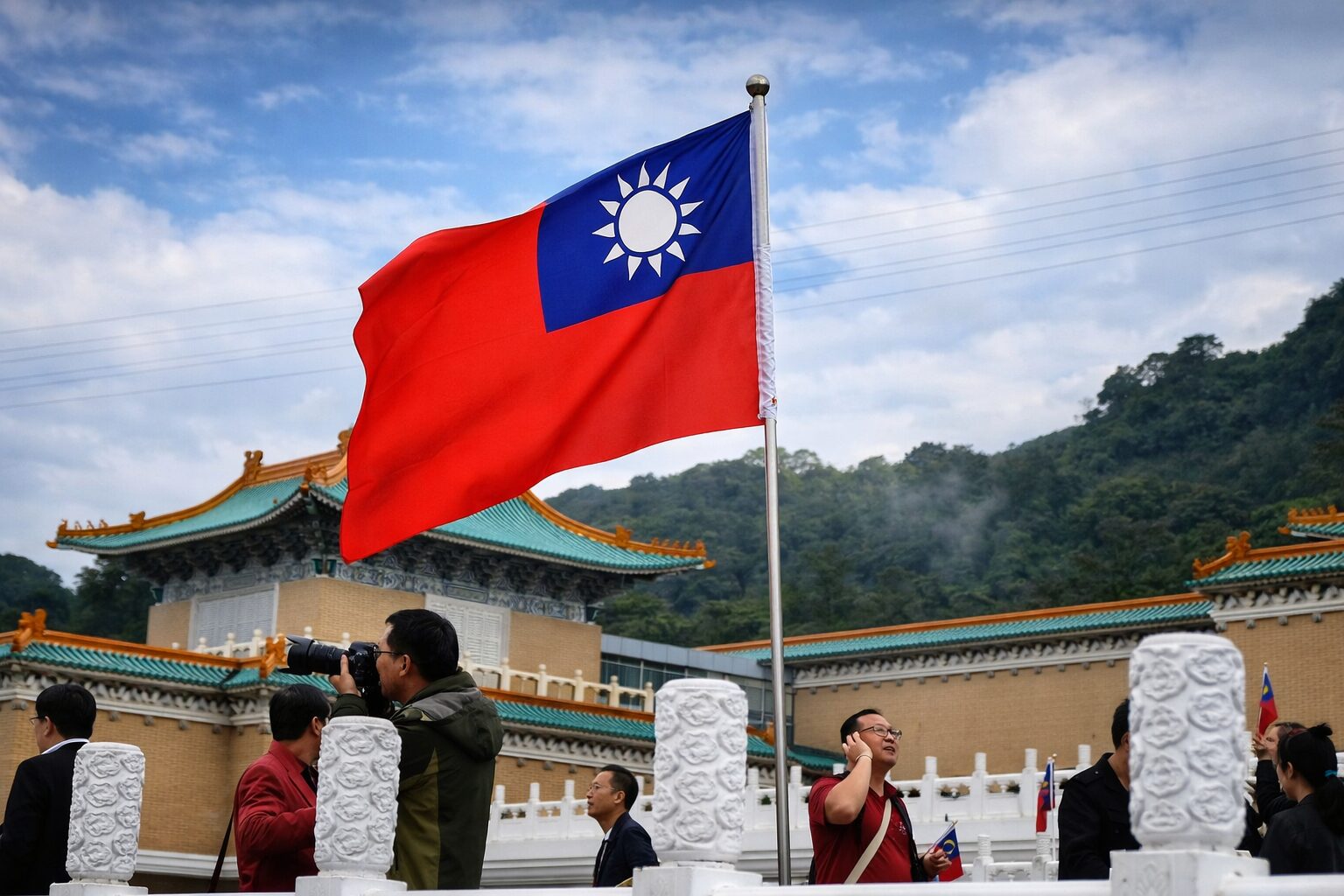
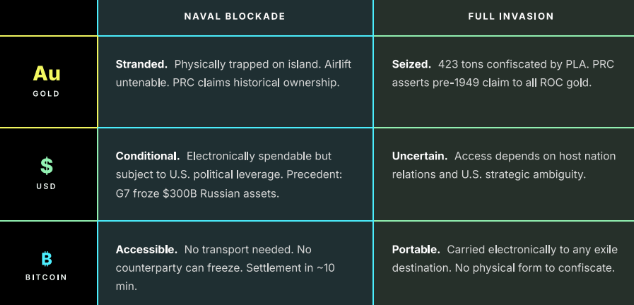
Taiwan should reconsider adopting Bitcoin as a reserve asset to hedge against geopolitical uncertainty and the risk of military conflict, according to a report by the Bitcoin Policy Institute. Research fellow Jacob Langenkamp stated Tuesday that if China attempts reunification with Taiwan through a blockade or full invasion, Bitcoin could remain the only reserve asset fully accessible and spendable. He argued that gold could be stranded or seized and US dollar reserves might face restrictions, while Bitcoin would remain accessible without physical transport.
Central Bank Concerns and Exposure to Dollar Risks
Nation-states have increasingly explored strategic Bitcoin reserves, but the Central Bank of the Republic of China (Taiwan) rejected the idea in December after studying the proposal last year. Officials cited volatility, liquidity, and custody risks, identifying the US dollar as a safer alternative. Langenkamp warned that Taiwan remains heavily exposed to US dollar debasement, noting that at least 80% of central bank reserves are denominated in USD. He added that rising US debt, monetary expansion by the Federal Reserve, potential artificial intelligence market declines, and weakening semiconductor revenues could accelerate dollar pressure.
Existing Bitcoin Holdings Support Further Testing
Despite rejecting a full reserve strategy, Taiwan continues to test digital asset technology in a regulatory sandbox using seized crypto. Taiwanese lawmaker Ko Ju-Chun revealed that the Ministry of Justice (Taiwan) holds 210 Bitcoin worth about $14 million confiscated during criminal investigations. According to BitBo, these holdings would rank Taiwan as the seventh-largest national Bitcoin holder, behind El Salvador but ahead of Finland if officially listed.
Disclaimer
This content is for informational purposes only and does not constitute financial, investment, or legal advice. Cryptocurrency trading involves risk and may result in financial loss.