

The role of digital asset treasuries is rapidly changing as simple accumulation strategies lose favor among investors. By early 2026, more than 200 publicly listed companies collectively held over $115 billion in digital assets, yet many are trading at discounts to their holdings. This gap reflects growing investor demand for capital efficiency and measurable returns rather than passive exposure.
Companies are increasingly adopting transparency metrics such as “BTC per share” and implementing share buybacks to demonstrate value. The sector is transitioning from passive holding, often described as “DAT 1.0,” to active yield-focused strategies known as “DAT 2.0.”
Staking, Trading and Credit Models Drive Treasury Returns
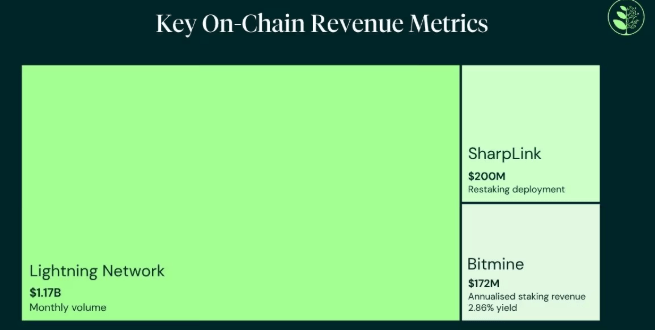
Three primary models are emerging. The first focuses on infrastructure participation, including staking and network validation. Firms like Bitmine Immersion Technologies reported over 3 million staked ETH, generating approximately $172 million in annualized revenue, highlighting the potential of protocol-level income.
The second model involves active trading strategies such as funding-rate arbitrage and options premiums. While these can generate strong returns, they require advanced risk management and continuous oversight. Some firms have achieved significant revenue growth through such strategies, though accounting complexities can obscure profitability.
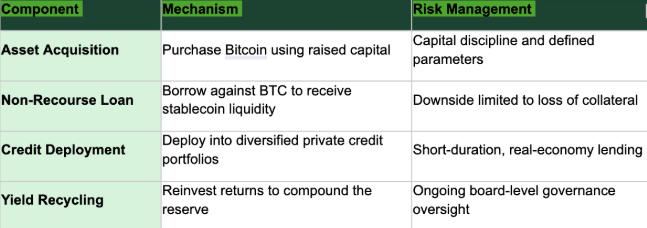
A third approach uses digital assets as collateral to access liquidity, which is then deployed into private credit markets. This model mirrors traditional finance by combining borrowing, lending and yield generation, supported by the growing role of stablecoins in global payments and settlement systems.
Yield Becomes Core Measure of Treasury Performance
As the sector matures, yield generation is becoming the key benchmark for success. Companies are increasingly blending multiple strategies based on risk tolerance and operational capabilities. The shift signals a broader industry evolution where disciplined capital deployment, rather than asset size alone, determines long-term value.
Disclaimer
This content is for informational purposes only and does not constitute financial, investment, or legal advice. Cryptocurrency trading involves risk and may result in financial loss.