

Telegram co founder Pavel Durov said the Iranian government’s attempt to block the messaging platform has produced the opposite effect, leading to massive growth in virtual private network (VPN) usage. According to Durov, Iran banned Telegram several years ago, but tens of millions of users have continued accessing the platform through VPN services and similar tools.
VPN technology allows users to route internet traffic through servers located in different regions, masking their Internet Protocol addresses and bypassing national internet restrictions. Durov stated that instead of pushing citizens toward state-controlled messaging applications, the ban resulted in large-scale adoption of privacy tools.
He noted that roughly 50 million users in Iran are now part of what he described as a “digital resistance,” joined by another 50 million users in Russia who also rely on similar methods to bypass restrictions.
Decentralized Tools Expand During Internet Restrictions
The continued use of Telegram comes amid broader internet restrictions in Iran, including a nationwide blackout imposed in January 2026 during ongoing protests and conflict involving Israel, the United States and Iran.
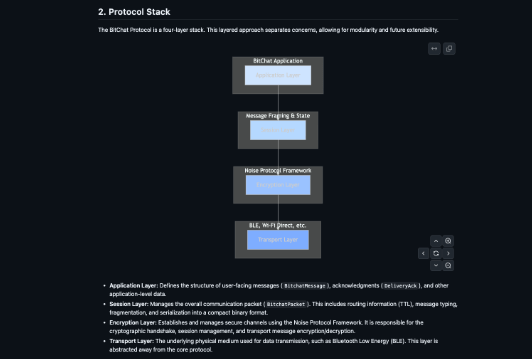
Despite the blackout, users have turned to alternative technologies such as satellite-based internet services and decentralized messaging applications. One example is BitChat, which uses Bluetooth mesh networking to allow devices to communicate directly without relying on traditional internet infrastructure.
Similar patterns have been observed in other regions. During protests in Nepal in September 2025, downloads of BitChat surged to more than 48,000 in one week, reflecting how users increasingly adopt decentralized communication tools during periods of government-imposed digital restrictions.
Disclaimer
This content is for informational purposes only and does not constitute financial, investment, or legal advice. Cryptocurrency trading involves risk and may result in financial loss.