

Bitcoin is emerging as a potential tool in managing maritime access through the Strait of Hormuz following a 39-day conflict between United States and Iran that temporarily disrupted traffic. Iranian authorities plan to coordinate transit with Oman while collecting tolls from vessels seeking safe passage.
Hamid Hosseini from the Iran’s Oil, Gas and Petrochemical Products Exporters’ Union indicated that certain ships could be required to pay in Bitcoin within seconds of receiving approval, potentially making digital assets part of sanctions-resistant logistics. The enforcement reportedly involves the Islamic Revolutionary Guard Corps, reflecting how control of a route handling about 20% of global crude flows can be used as leverage.
Banking Sector Faces Pressure From Blockchain and AI
Jamie Dimon, leader of JPMorgan Chase, warned in his annual shareholder letter that blockchain systems and artificial intelligence are accelerating competition against traditional banks. The bank is expanding blockchain services through its Kinexys infrastructure, targeting payment and tokenization markets where fintech firms are advancing rapidly.
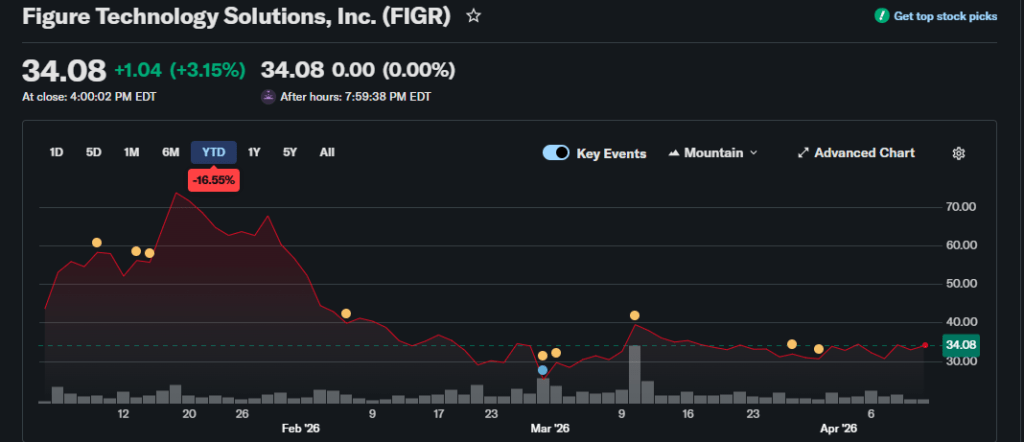
Analysts at Bernstein projected strong growth for Figure Technologies, assigning an “Outperform” rating and a $67 price target after the firm exceeded $1 billion in monthly loan originations on the Provenance Blockchain.
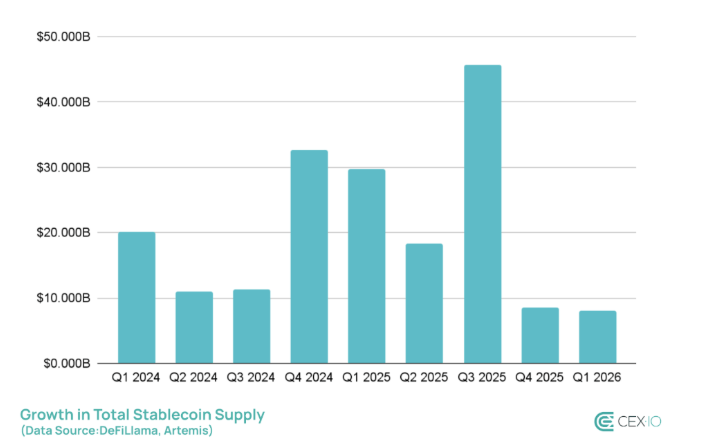
Meanwhile, economists from the White House Council of Economic Advisers reported that banning yield-bearing stablecoins would increase bank lending by only 0.02%, suggesting limited systemic impact while potentially reducing consumer access to higher returns.
Disclaimer
This content is for informational purposes only and does not constitute financial, investment, or legal advice. Cryptocurrency trading involves risk and may result in financial loss.