
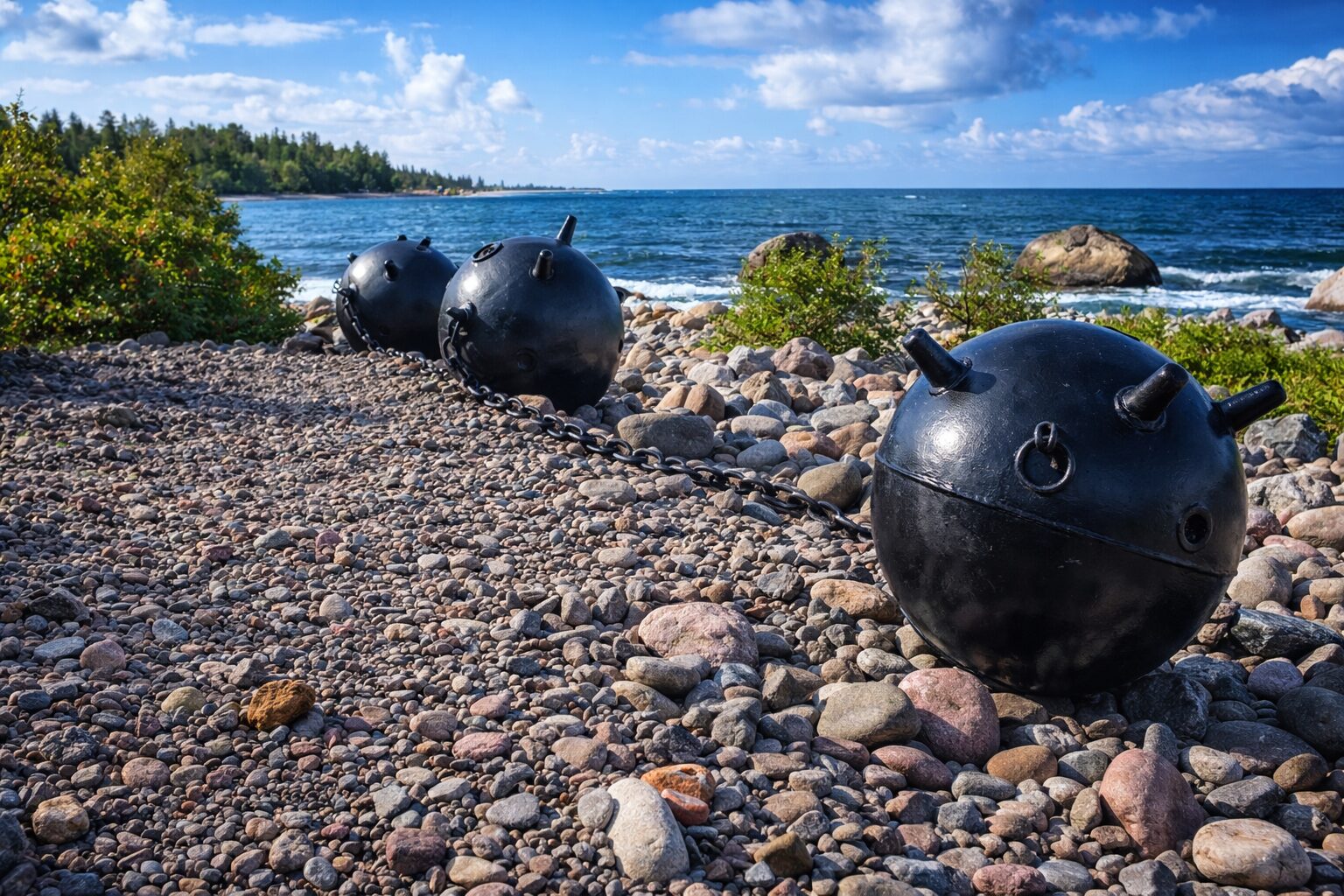
Iran is reportedly facing difficulties fully reopening the Strait of Hormuz after failing to locate all the naval mines it deployed in the waterway. The situation has left shipping traffic heavily restricted, raising concerns across global energy markets.
Naval mines, once placed, can drift due to ocean currents or shift from their original coordinates, making them extremely difficult to track. Experts warn that mine warfare often creates long-term hazards, even for the side that deployed the explosives. In this case, the inability to identify and safely remove all mines has complicated Iran’s efforts to restore normal maritime movement.
Global Oil Supply at Risk From Restricted Traffic
The Strait of Hormuz remains one of the world’s most critical energy corridors, handling roughly 20% of global oil shipments. Any prolonged disruption increases the risk of supply shortages and higher energy prices worldwide. Shipping companies are reportedly exercising extreme caution, delaying or rerouting cargo until safe passage can be guaranteed.
Mine Removal Challenges Highlight Strategic Risks
Military specialists emphasize that clearing sea mines during periods of tension is both dangerous and time-consuming. Mine removal operations require specialized vessels, trained personnel, and precise mapping — resources that may be limited during ongoing regional instability. The incident underscores how mine deployment can backfire, turning a tactical defense into a lasting navigational threat.
Disclaimer
This content is for informational purposes only and does not constitute financial, investment, or legal advice. Cryptocurrency trading involves risk and may result in financial loss.