
Introduction
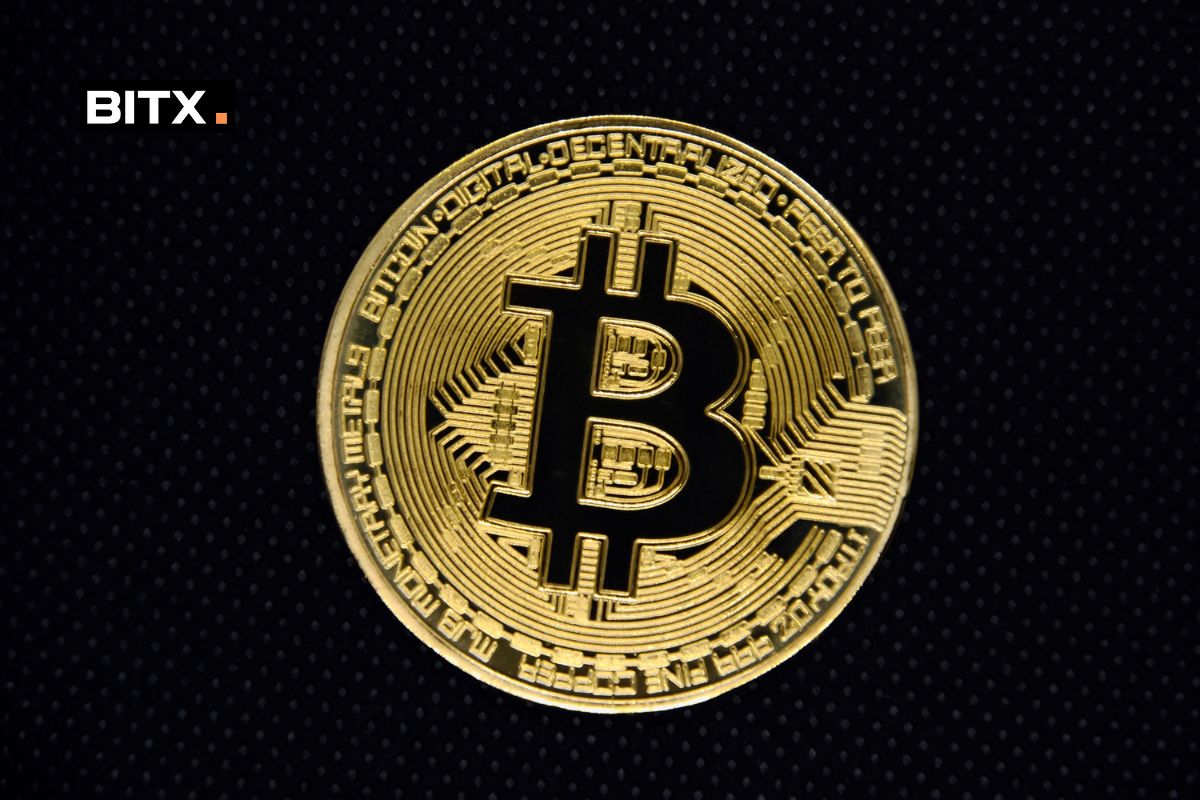
Bitcoin, the first decentralized digital currency, has taken the world by storm, capturing the attention of both seasoned investors and financial newcomers alike. As a speculative asset with a promising long-term outlook, Bitcoin offers unique earning potential that traditional investments rarely match. However, it also comes with a set of risks that investors must understand before diving in.
Understanding Bitcoin
Created in 2009 by an anonymous individual or group known as Satoshi Nakamoto, Bitcoin operates on a decentralized network called the blockchain, which ensures secure, transparent, and tamper-resistant transactions. Unlike traditional fiat currencies, the supply of Bitcoin is limited to 21 million coins, which lends value to the digital asset and makes it a highly sought-after investment.
Earning Potential
The earning potential of Bitcoin is the primary reason it has garnered so much interest. In just over a decade, the price of a single Bitcoin has skyrocketed from a few cents to over $60,000, providing significant returns for early adopters and savvy investors. While past performance does not guarantee future results, many analysts predict that Bitcoin’s value will continue to increase as it becomes more widely adopted and integrated into mainstream financial systems.
Investment Strategies
There are several ways to invest in Bitcoin:
-
Direct Purchase: Buying Bitcoin outright from a cryptocurrency exchange is the most straightforward approach. You can buy a fraction of a Bitcoin, making it accessible for investors with any budget.
-
Mining Bitcoin: This involves using powerful computers to solve complex mathematical problems and validating transactions on the Bitcoin network. Mining requires significant upfront investment in hardware and electricity, but it can be a profitable undertaking for those with the resources and technical expertise.
-
Bitcoin Staking: Similar to mining, staking involves holding Bitcoin to secure the network and earn rewards. However, staking is less resource-intensive and can be done through a custodial service.
- Bitcoin Investment Trusts (BITs): A Bitcoin Investment Trust (BIT) is a company that holds Bitcoins on behalf of investors, allowing them to gain exposure to the digital currency without actually owning it.
Risks Associated with Bitcoin
While the earning potential of Bitcoin is undeniable, it comes with several risks:
-
Volatility: Bitcoin’s price can fluctuate wildly within a short period, making it a riskier investment compared to traditional assets like stocks and bonds.
-
Regulatory Risks: Governments around the world are still grappling with how to regulate Bitcoin, creating uncertainty for investors. Sudden regulatory changes could impact the value of your investment.
-
Hacking and Secure Storage: Since Bitcoin is a digital asset, it is susceptible to hacking if not properly securely stored. Always use a hardware wallet or a trusted exchange for storing your Bitcoin.
- Lack of Understanding: Many people are still unfamiliar with Bitcoin, leading to misinformation and misunderstandings about the digital currency, which could negatively impact its value.
Conclusion
Investing in Bitcoin can be a lucrative opportunity, but it is crucial to approach it with a clear understanding of the risks involved. If you’re considering dipping your toes into the world of cryptocurrency, do thorough research, diversify your portfolio, and never invest more than you’re willing to lose. As with any investment, patience, and a long-term perspective are vital to success.