
Crypto Momentum Builds in Latin America
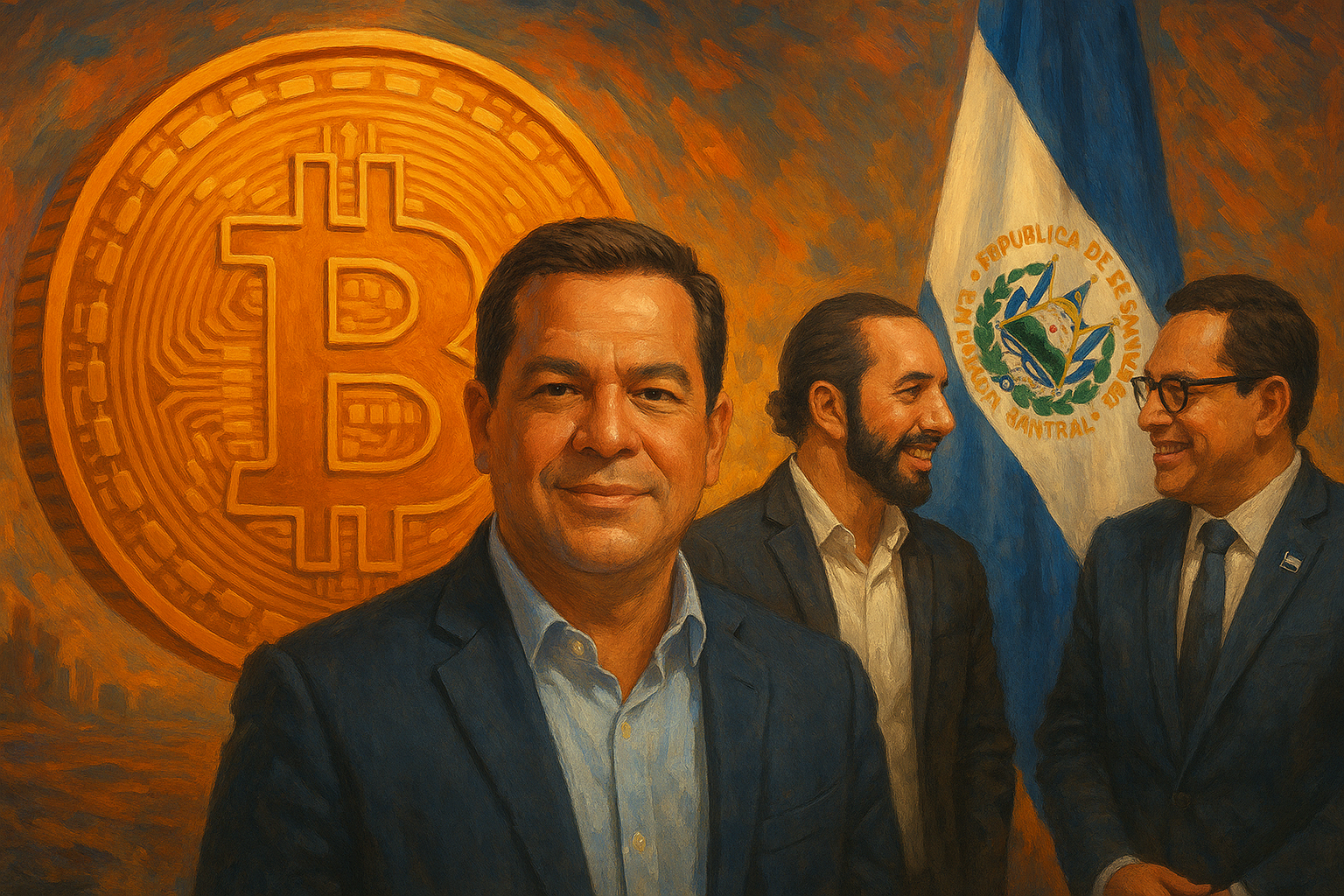
In a move that could accelerate crypto adoption in Central America, Panama City Mayor José Luis Fábrega has hinted at the possibility of establishing a Bitcoin reserve, following a strategic meeting with top Bitcoin officials from El Salvador, the first country to make BTC legal tender.
The mayor’s remarks have stirred excitement in the regional crypto community, signaling that Panama may be preparing to follow in the footsteps of its neighboring nation by integrating Bitcoin more deeply into its financial system.
A Strategic Meeting with El Salvador’s Bitcoin Leaders
The announcement came after a high-profile meeting with El Salvador’s National Bitcoin Office (ONBTC) and other key stakeholders involved in the country’s Bitcoin strategy. El Salvador has made headlines globally for its bold Bitcoin initiatives — including government BTC holdings, the Chivo wallet, and the planned Bitcoin City.
Mayor Fábrega expressed admiration for El Salvador’s approach, particularly its ability to attract international investment and stimulate innovation. While no concrete policy has been finalized, the discussion has opened doors for deeper cooperation between Panama and El Salvador in crypto policy, education, and fintech development.
What a Bitcoin Reserve Could Mean for Panama City
If Panama City were to create a Bitcoin reserve, it would be the first municipality in the region to do so — a move that could attract global attention. Holding BTC as part of city reserves would diversify assets, hedge against inflation, and potentially encourage crypto-related businesses to establish operations in Panama.
Experts suggest such a reserve could also be used to fund public infrastructure, stimulate tech sector growth, or support financial inclusion initiatives through blockchain-based tools.
Panama’s Legal Status on Bitcoin
Unlike El Salvador, Panama has not yet adopted Bitcoin as legal tender, but lawmakers have previously proposed legislation to regulate and promote the use of digital assets. In 2022, a crypto bill was passed by the National Assembly but later partially vetoed by the president.
However, cities like Panama City could implement their own blockchain-friendly policies at the municipal level — starting with treasury diversification or public services powered by blockchain tech.
Conclusion: Is Panama City the Next Crypto Capital?
Mayor Fábrega’s statement may mark a turning point for Panama’s crypto landscape. As Latin America becomes a testing ground for Bitcoin-backed governance, Panama City could emerge as a leading crypto innovation hub in the region — especially if a Bitcoin reserve becomes reality.
With growing interest from leaders and citizens alike, the Bitcoin momentum in Latin America shows no signs of slowing down.