
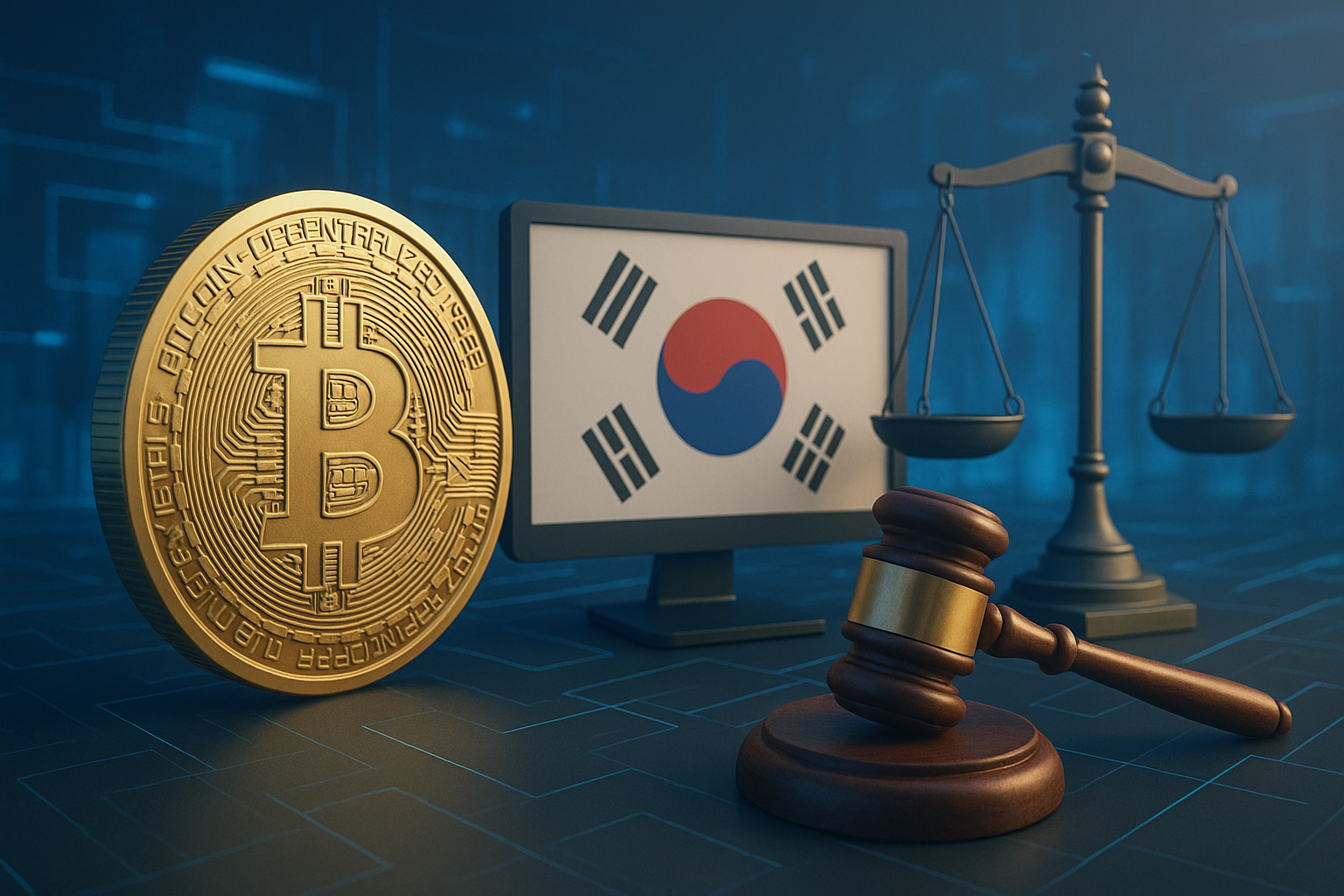
South Korea is tightening its cryptocurrency regulations as the country prepares to open its digital asset market to institutional investors. The new policies aim to create a safer and more transparent trading environment, with a focus on Anti-Money Laundering (AML) and Know Your Customer (KYC) compliance.
The Financial Services Commission (FSC), South Korea’s top financial regulator, announced that all virtual asset service providers (VASPs) must enhance identity verification standards and monitor transactions more rigorously before the institutional market expands.
Institutional Access Coming With Safeguards
South Korea’s long-anticipated institutional market entry is expected to attract banks, asset managers, and pension funds into the crypto sector. However, authorities have made it clear that strong regulatory controls must come first.
“The safety of investor funds and prevention of financial crimes is our top priority,” the FSC stated. “These rules will ensure institutional players operate in a secure and compliant environment.”
New AML Guidelines Rolled Out
Under the new rules:
- VASPs must verify the identities of all users using stricter KYC standards.
- Suspicious transactions must be flagged immediately and reported to the Korea Financial Intelligence Unit (KoFIU).
- Cold wallet storage and real-time risk monitoring systems will be mandatory for exchanges.
Failure to comply will result in license revocation, financial penalties, or criminal prosecution.
Boosting Confidence in the Korean Crypto Market
These policy shifts are designed to restore trust in South Korea’s digital asset sector, which has seen multiple scandals and hacks in recent years. By enforcing global-standard compliance practices, the government aims to create a stable foundation for institutional investment.
“Regulatory clarity is what institutions have been waiting for,” said a Seoul-based crypto lawyer. “These updates give legitimacy to the entire space.”
Impact on Exchanges and Startups
While the new rules are a welcome sign for large investors, smaller exchanges and crypto startups may struggle to meet compliance requirements. Some industry insiders believe the regulations will lead to market consolidation, favoring firms with strong legal and financial infrastructure.
Still, the move is seen as necessary to mature the industry and ensure it can handle the volume and risk management demands of institutional finance.
Conclusion: A New Era of Crypto in South Korea
With stronger regulations in place, South Korea is paving the way for institutional money to enter the crypto market confidently. These developments mark a significant turning point, positioning the country as a leader in crypto policy reform and digital asset innovation in Asia.