
Crypto Theft Involved Dangerous Drug and Impersonation Tactics
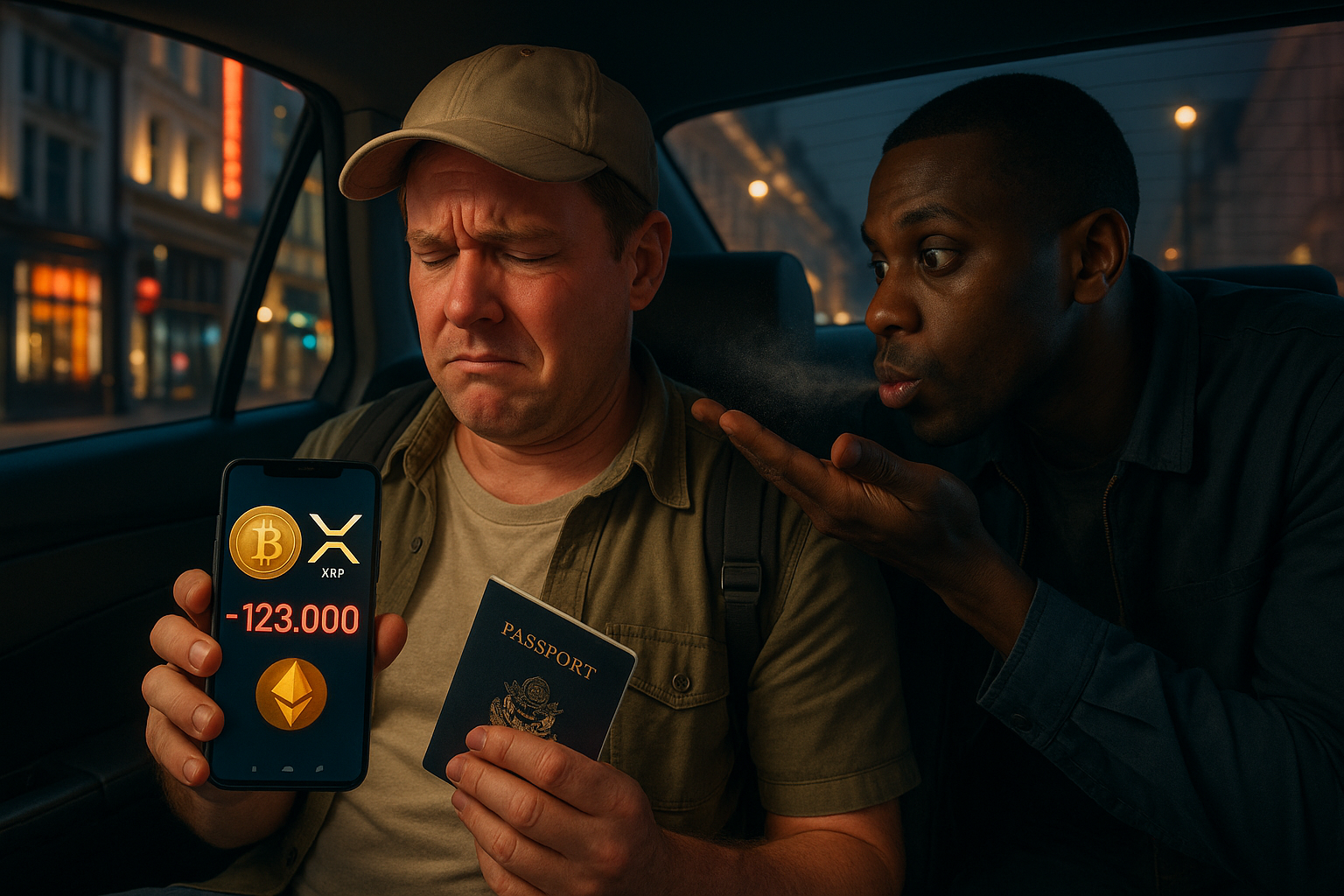
An American tourist visiting London has reported losing $123,000 worth of Bitcoin and XRP after falling victim to a fake Uber ride orchestrated using a potent drug known as ‘Devil’s Breath’, according to local reports.
The victim claims he was drugged and robbed in a highly coordinated attack, which has raised serious concerns about the security of crypto assets and personal safety while traveling.
What is ‘Devil’s Breath’?
Also known as scopolamine, ‘Devil’s Breath’ is a powerful psychoactive drug that can render victims disoriented, compliant, and vulnerable to suggestion or theft. The substance has a notorious reputation, particularly in Latin America, for use in robberies and assaults.
Authorities suspect the drug was administered during a fake Uber pickup, where the tourist was led to believe he was entering a legitimate ride. Instead, he was allegedly drugged and manipulated into unlocking his crypto wallet and handing over sensitive information.
Crypto Wallets Targeted
The attackers reportedly drained the victim’s digital wallet of $123,000 in crypto assets, primarily in Bitcoin (BTC) and XRP. Because cryptocurrencies are irreversible and pseudonymous, recovering the funds will likely prove extremely difficult.
“They knew exactly what they were doing — they accessed my phone, forced face ID access, and transferred the coins before I was even aware,” the victim said in his police statement.
Authorities Investigating Sophisticated Crypto Theft
London’s Metropolitan Police have launched an investigation into the incident and believe the attack may be part of a larger trend of crypto-related crimes targeting tourists and business travelers. The case is being treated as aggravated theft and potential assault with a controlled substance.
“This is not just a robbery; it’s a well-planned exploitation using both physical drugs and digital knowledge,” a police spokesperson commented.
Rising Crypto Theft in Tourist Hotspots
The incident highlights the rising threat of crypto theft through physical attacks, especially in cities frequented by wealthy international visitors. Tourists often store large amounts of digital currency on mobile wallets, which can become easy targets if security measures like multi-factor authentication and cold storage are not in place.
Conclusion
This alarming case serves as a stark reminder for crypto holders to take maximum precautions when traveling, including avoiding mobile wallet access in public, using strong authentication, and storing large funds in cold wallets.
With crypto theft evolving beyond digital hacks to include real-world tactics, personal and digital security must go hand-in-hand—especially for those holding significant digital assets.