
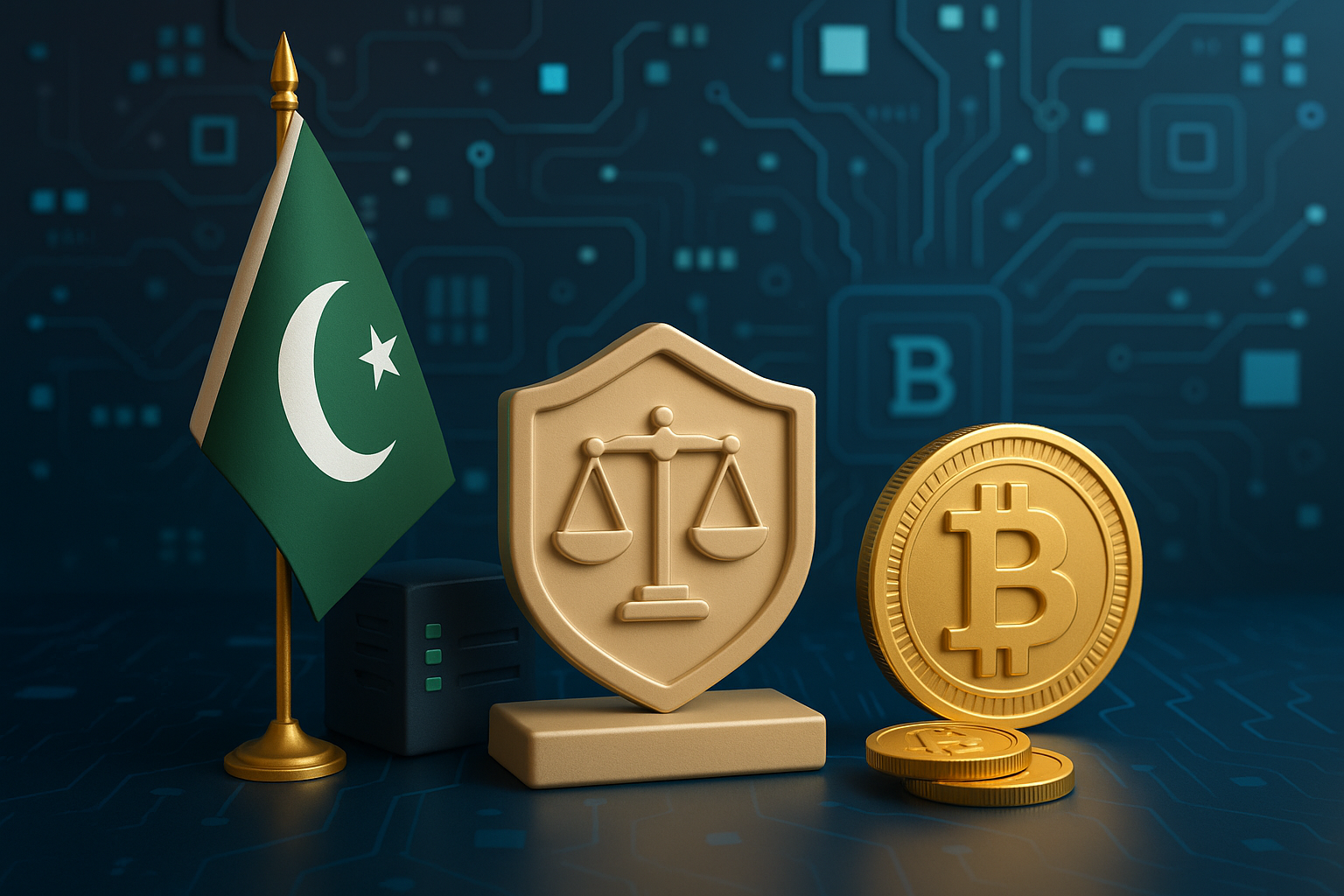
Government Takes Major Step Toward Legalizing and Overseeing Crypto Sector

Pakistan has officially announced the creation of a Digital Asset Regulatory Authority (DARA) to oversee and regulate the growing use of cryptocurrencies and other digital assets in the country. This move comes amid increasing adoption of crypto in the region and global calls for clear regulatory frameworks.

The announcement was made by officials from the Ministry of Finance and the State Bank of Pakistan, with the goal of promoting innovation while protecting consumers and the financial system.

“This marks a new era of financial transparency and digital innovation in Pakistan,” said Finance Minister Muhammad Aurangzeb.

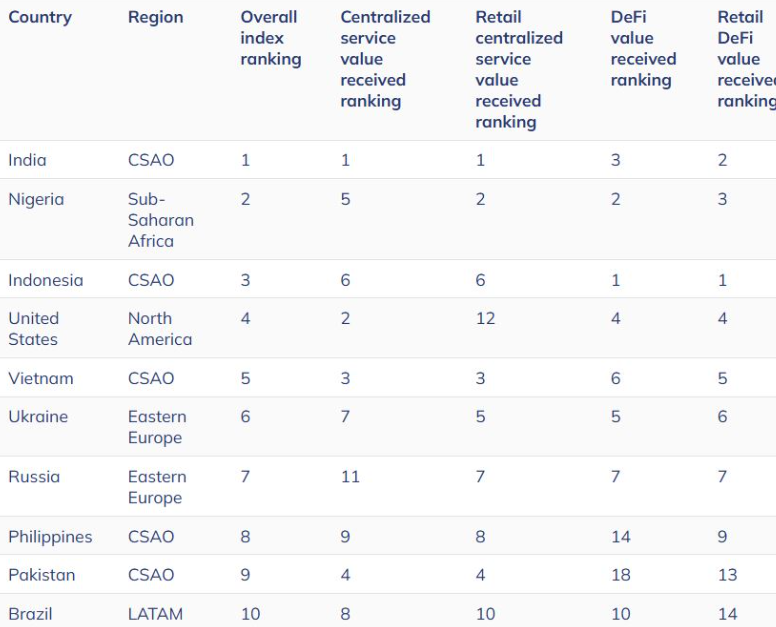
Pakistan ranked highly in Chainalysis’ 2024 crypto adoption index, coming in 9th.

What Will the Digital Asset Authority Do?

The newly established DARA will have the responsibility to:

  • Develop and implement crypto regulations
  • Grant licenses to exchanges and crypto service providers
  • Monitor and prevent illegal crypto-related activities
  • Create investor protection frameworks
  • Collaborate with global regulatory bodies

By creating this body, Pakistan aims to regulate crypto in a balanced way — encouraging innovation while managing risks such as fraud, money laundering, and illicit finance.

“The purpose is not to ban crypto, but to supervise and integrate it into the legal economy,” noted a senior official at the central bank.


Why This Is a Big Deal for Pakistan’s Crypto Ecosystem

Crypto adoption in Pakistan has surged in recent years, with Chainalysis ranking it among the top 10 countries in terms of crypto adoption in 2023. Despite the demand, the lack of regulatory clarity pushed many investors into informal and risky channels.

The new authority aims to change that by creating a safe, transparent, and legally compliant ecosystem for digital assets.

This move also signals to foreign investors and crypto companies that Pakistan is ready to embrace the future of finance under a clear legal framework.


Industry Reactions Are Largely Positive

Leading voices from Pakistan’s tech and fintech sectors welcomed the decision. Many believe this step could unlock new avenues for blockchain innovation, crypto trading, and decentralized finance (DeFi) within the country.

“This is exactly what we needed — a structured environment to legitimize crypto businesses in Pakistan,” said the CEO of a local exchange.


Next Steps: Licensing, Compliance, and Public Education

The government plans to roll out the first set of rules in the coming months, with exchange registration and compliance reporting set to begin later this year. Education campaigns will also follow to help the public understand how to engage safely with digital assets.


A New Chapter for Digital Finance in Pakistan

With the creation of the Digital Asset Authority, Pakistan has joined the ranks of countries taking proactive steps to regulate crypto. As the global crypto landscape evolves, Pakistan is now positioned to become a serious player in the regulated digital finance space.

logo

blockto.io

info@blockto.io

Blockto.io Copyright © 2025, All rights reserved

News
Rates
Buy
More
We use cookies to personalize content and ads, provide social media features, and analyze our traffic. In accordance with GDPR/AVG and EU cookie regulations, data is processed only with your consent. We may share information about your use of our website with our social media, advertising, and analytics partners, and you can manage or withdraw your consent at any time. View more
Cookies settings
Accept
Privacy & Cookie policy
Privacy & Cookies policy
Cookie name Active

Privacy Policy

At BitxJournal.com, we respect your privacy and are committed to protecting your personal data. This Privacy Policy explains how we collect, process, store, and protect personal information in accordance with the General Data Protection Regulation (GDPR) and AVG (EU privacy legislation).

1. Data Controller

BitxJournal.com acts as the data controller for all personal data processed through this website.

2. Personal Data We Collect

We may collect and process the following categories of data:

Personal Data

  • Name and email address (when you subscribe to newsletters or contact us)

Technical & Usage Data

  • IP address, browser type, operating system

  • Device information

  • Pages visited, referral sources, and interaction data

This data is collected via cookies, log files, and analytics technologies.

3. Legal Basis for Processing

We process personal data only when a lawful basis exists, including:

  • Consent – when you explicitly agree (e.g., cookies, newsletter sign-up)

  • Legitimate interest – to operate, secure, and improve our website

  • Legal obligation – when required by applicable laws

You may withdraw your consent at any time.

4. Purpose of Data Processing

Your data is processed for the following purposes:

  • Operating and maintaining the website

  • Improving content, usability, and performance

  • Sending newsletters or updates (only with consent)

  • Analyzing traffic and user behavior

  • Responding to inquiries or support requests

5. Cookies & Consent Management

We use cookies and similar technologies in compliance with EU Cookie Law.

  • Non-essential cookies are placed only after explicit user consent

  • Users may accept, reject, or manage cookie preferences at any time

  • Consent can be withdrawn without affecting prior lawful processing

Detailed cookie information is available in our Cookie Settings panel.

6. Third-Party Data Processing

We may share limited data with trusted third-party service providers, including:

  • Analytics providers (e.g., Google Analytics)

  • Advertising partners (for personalized or non-personalized ads)

These third parties act as data processors and process data only under contractual obligations compliant with GDPR/AVG.

7. International Data Transfers

Where data is transferred outside the European Economic Area (EEA), we ensure appropriate safeguards are in place, such as Standard Contractual Clauses (SCCs) or equivalent legal mechanisms.

8. Data Retention

We retain personal data only for as long as necessary to fulfill the purposes outlined in this policy or as required by law.

9. Data Security

We implement appropriate technical and organizational security measures to protect personal data against unauthorized access, alteration, disclosure, or destruction.

10. Your GDPR Rights

Under GDPR/AVG, you have the right to:

  • Access your personal data

  • Rectify inaccurate or incomplete data

  • Request data erasure (“right to be forgotten”)

  • Restrict or object to processing

  • Data portability

  • Withdraw consent at any time

  • Lodge a complaint with a supervisory authority

11. Changes to This Privacy Policy

We reserve the right to update this Privacy Policy at any time. Any changes will be posted on this page with a revised effective date.

12. Contact Information

For privacy-related inquiries or GDPR requests, contact:

📧 Email: support@blockto.io
🌐 Website: https://blockto.io

Save settings
Cookies settings