

Stablecoins are a type of cryptocurrency designed to maintain a stable value by pegging to a reserve asset such as the U.S. dollar, euro, or gold.

Unlike volatile cryptocurrencies like Bitcoin and Ethereum, stablecoins offer price stability, making them ideal for everyday transactions, cross-border payments, and remittances.

The most popular stablecoins include USDT (Tether), USDC (USD Coin), and DAI, each backed by various assets to ensure consistent value.


The Economic Revolution: Stablecoins in Action

Stablecoins are transforming how the global economy operates. By enabling instant, borderless transactions without the need for traditional banks, stablecoins provide faster, cheaper, and more accessible financial services.

“Stablecoins are a bridge between fiat and crypto — a safe on-ramp for users entering Web3,” says Circle CEO Jeremy Allaire.

In regions with high inflation or limited banking infrastructure, stablecoins allow individuals to store value, receive salaries, and conduct commerce in a more secure and stable currency.
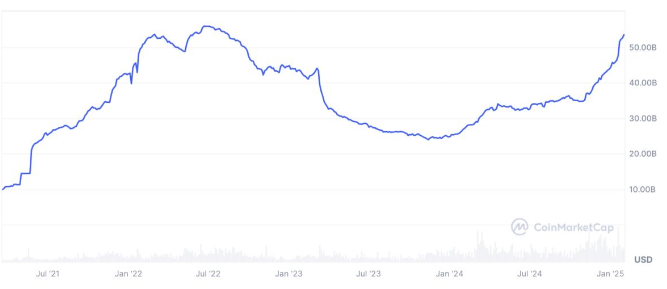

Institutional and Government Adoption on the Rise

Traditional financial institutions and governments are taking notice. Visa and Mastercard have begun supporting stablecoin payments, and several central banks are exploring Central Bank Digital Currencies (CBDCs) inspired by stablecoin architecture.

In 2024 alone, stablecoins facilitated over $10 trillion in transactions, a number that continues to grow rapidly.

Countries like Singapore, Switzerland, and the UAE have embraced stablecoin-friendly regulations, accelerating innovation while maintaining financial oversight.


Stablecoins vs. Traditional Finance

Compared to traditional banking systems, stablecoins offer 24/7 availability, near-instant settlement, and significantly lower fees.

“Stablecoins offer the benefits of blockchain without the risk of extreme volatility,” says a recent report from the Bank for International Settlements.

They also enhance transparency by operating on public blockchains, reducing fraud and improving auditability.


Challenges Ahead: Regulation and Trust

Despite their potential, stablecoins face challenges such as regulatory uncertainty, reserve transparency, and centralization concerns.

The collapse of TerraUSD in 2022 highlighted the risks of algorithmic stablecoins and the need for robust backing mechanisms.

To build public trust, regulators are now pushing for clear guidelines, regular audits, and full disclosure of reserves.


Conclusion

Stablecoins are more than just a digital dollar — they are reshaping the global financial landscape by combining the trust of fiat with the efficiency of blockchain.

As adoption grows, stablecoins could become the default medium for digital transactions across the world.

logo

blockto.io

info@blockto.io

Blockto.io Copyright © 2025, All rights reserved

News
Rates
Buy
More
We use cookies to personalize content and ads, provide social media features, and analyze our traffic. In accordance with GDPR/AVG and EU cookie regulations, data is processed only with your consent. We may share information about your use of our website with our social media, advertising, and analytics partners, and you can manage or withdraw your consent at any time. View more
Cookies settings
Accept
Privacy & Cookie policy
Privacy & Cookies policy
Cookie name Active

Privacy Policy

At BitxJournal.com, we respect your privacy and are committed to protecting your personal data. This Privacy Policy explains how we collect, process, store, and protect personal information in accordance with the General Data Protection Regulation (GDPR) and AVG (EU privacy legislation).

1. Data Controller

BitxJournal.com acts as the data controller for all personal data processed through this website.

2. Personal Data We Collect

We may collect and process the following categories of data:

Personal Data

  • Name and email address (when you subscribe to newsletters or contact us)

Technical & Usage Data

  • IP address, browser type, operating system

  • Device information

  • Pages visited, referral sources, and interaction data

This data is collected via cookies, log files, and analytics technologies.

3. Legal Basis for Processing

We process personal data only when a lawful basis exists, including:

  • Consent – when you explicitly agree (e.g., cookies, newsletter sign-up)

  • Legitimate interest – to operate, secure, and improve our website

  • Legal obligation – when required by applicable laws

You may withdraw your consent at any time.

4. Purpose of Data Processing

Your data is processed for the following purposes:

  • Operating and maintaining the website

  • Improving content, usability, and performance

  • Sending newsletters or updates (only with consent)

  • Analyzing traffic and user behavior

  • Responding to inquiries or support requests

5. Cookies & Consent Management

We use cookies and similar technologies in compliance with EU Cookie Law.

  • Non-essential cookies are placed only after explicit user consent

  • Users may accept, reject, or manage cookie preferences at any time

  • Consent can be withdrawn without affecting prior lawful processing

Detailed cookie information is available in our Cookie Settings panel.

6. Third-Party Data Processing

We may share limited data with trusted third-party service providers, including:

  • Analytics providers (e.g., Google Analytics)

  • Advertising partners (for personalized or non-personalized ads)

These third parties act as data processors and process data only under contractual obligations compliant with GDPR/AVG.

7. International Data Transfers

Where data is transferred outside the European Economic Area (EEA), we ensure appropriate safeguards are in place, such as Standard Contractual Clauses (SCCs) or equivalent legal mechanisms.

8. Data Retention

We retain personal data only for as long as necessary to fulfill the purposes outlined in this policy or as required by law.

9. Data Security

We implement appropriate technical and organizational security measures to protect personal data against unauthorized access, alteration, disclosure, or destruction.

10. Your GDPR Rights

Under GDPR/AVG, you have the right to:

  • Access your personal data

  • Rectify inaccurate or incomplete data

  • Request data erasure (“right to be forgotten”)

  • Restrict or object to processing

  • Data portability

  • Withdraw consent at any time

  • Lodge a complaint with a supervisory authority

11. Changes to This Privacy Policy

We reserve the right to update this Privacy Policy at any time. Any changes will be posted on this page with a revised effective date.

12. Contact Information

For privacy-related inquiries or GDPR requests, contact:

📧 Email: support@blockto.io
🌐 Website: https://blockto.io

Save settings
Cookies settings