
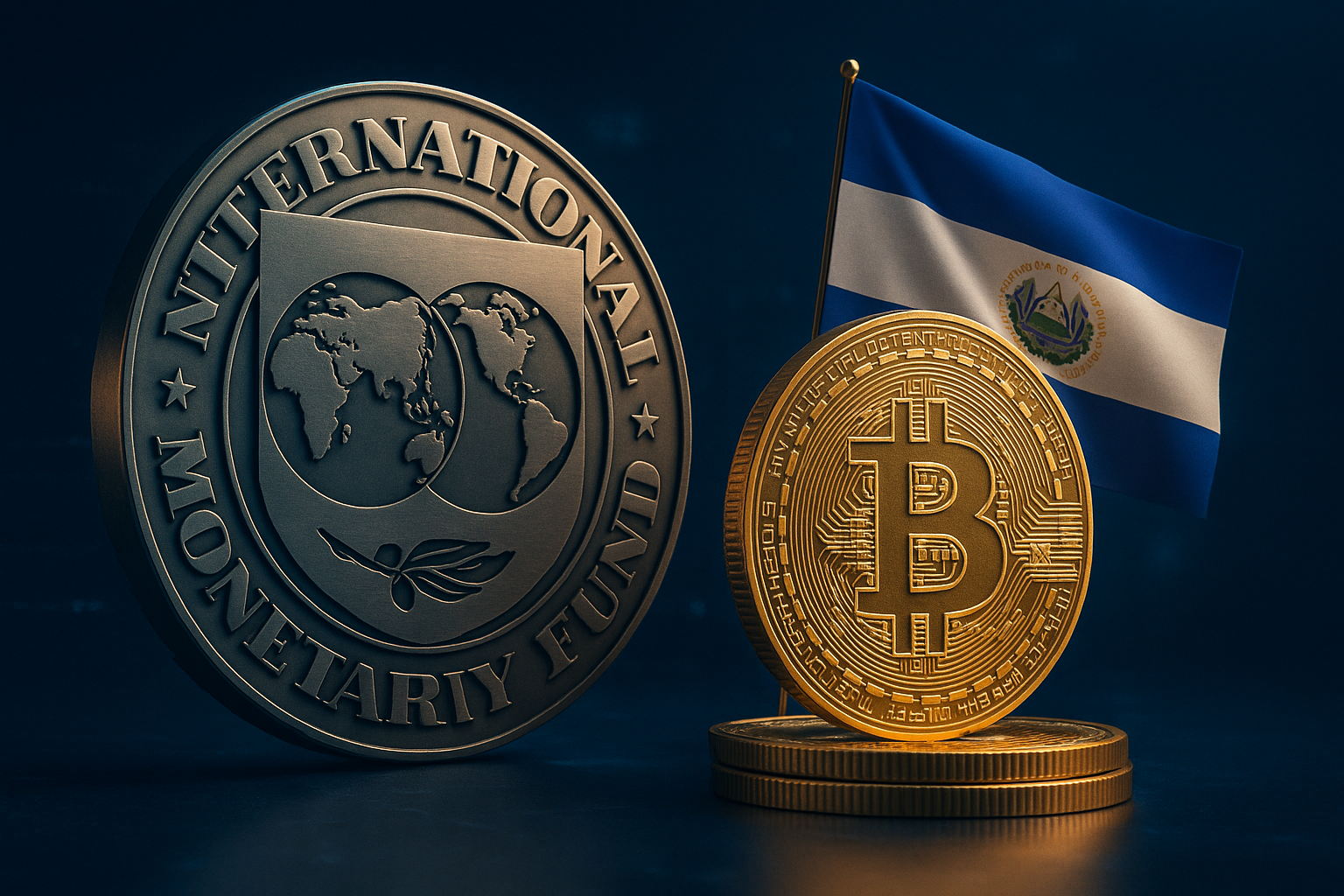
The International Monetary Fund (IMF) has reiterated its efforts to ensure El Salvador does not increase its Bitcoin holdings, even as the country continues to defy loan agreement conditions and quietly expands its cryptocurrency reserves.
In a statement released Tuesday, the IMF said that “efforts will continue” to ensure the Salvadoran government’s bitcoin balance remains unchanged, despite President Nayib Bukele’s ongoing accumulation of the digital asset.
Bitcoin Accumulation Continues Despite IMF Agreement
In March 2025, El Salvador and the IMF reached a $3.5 billion loan agreement, with key conditions aimed at reducing the country’s exposure to Bitcoin. One of those terms included a ban on voluntary public-sector accumulation of BTC.
At the time, El Salvador held 6,101.15 BTC in its treasury. Today, the government’s official wallet shows a balance of 6,189.18 BTC, worth approximately $678 million, indicating an increase of 88 BTC since the deal’s signing.
Bukele Stands Firm: ‘It’s Not Stopping’
President Nayib Bukele, a staunch Bitcoin supporter, has made it clear that the country’s Bitcoin accumulation strategy will continue regardless of international pressure.
“No, it’s not stopping,” Bukele posted on X (formerly Twitter) on March 4. “If it didn’t stop when the world ostracized us and most ‘bitcoiners’ abandoned us, it won’t stop now, and it won’t stop in the future.”
Despite this open defiance, the IMF’s latest update expressed no direct concern over El Salvador’s additional Bitcoin purchases. Instead, it praised the country for meeting fiscal and reserve benchmarks under the loan program.
“IMF staff thank the Salvadoran authorities for the excellent collaboration and constructive discussions,” the Fund noted.
Bitcoin Loses Legal Tender Status in El Salvador
As part of the March agreement, Bitcoin was stripped of its mandatory legal tender status, meaning merchants are no longer required by law to accept BTC. However, Bitcoin remains legal and in use across the country, especially in government-run programs and tourism initiatives.
Global Scrutiny and Future Implications
El Salvador made history in 2021 by becoming the first nation to adopt Bitcoin as legal tender. Since then, the policy has drawn sharp criticism from financial institutions, particularly the IMF, which views Bitcoin’s volatility as a potential threat to macroeconomic stability.
While the IMF has not clarified whether El Salvador’s recent BTC acquisitions violate the loan terms, the disconnect between policy and enforcement raises questions about sovereign digital asset strategy, international financial oversight, and the future of crypto-backed nation-states.