
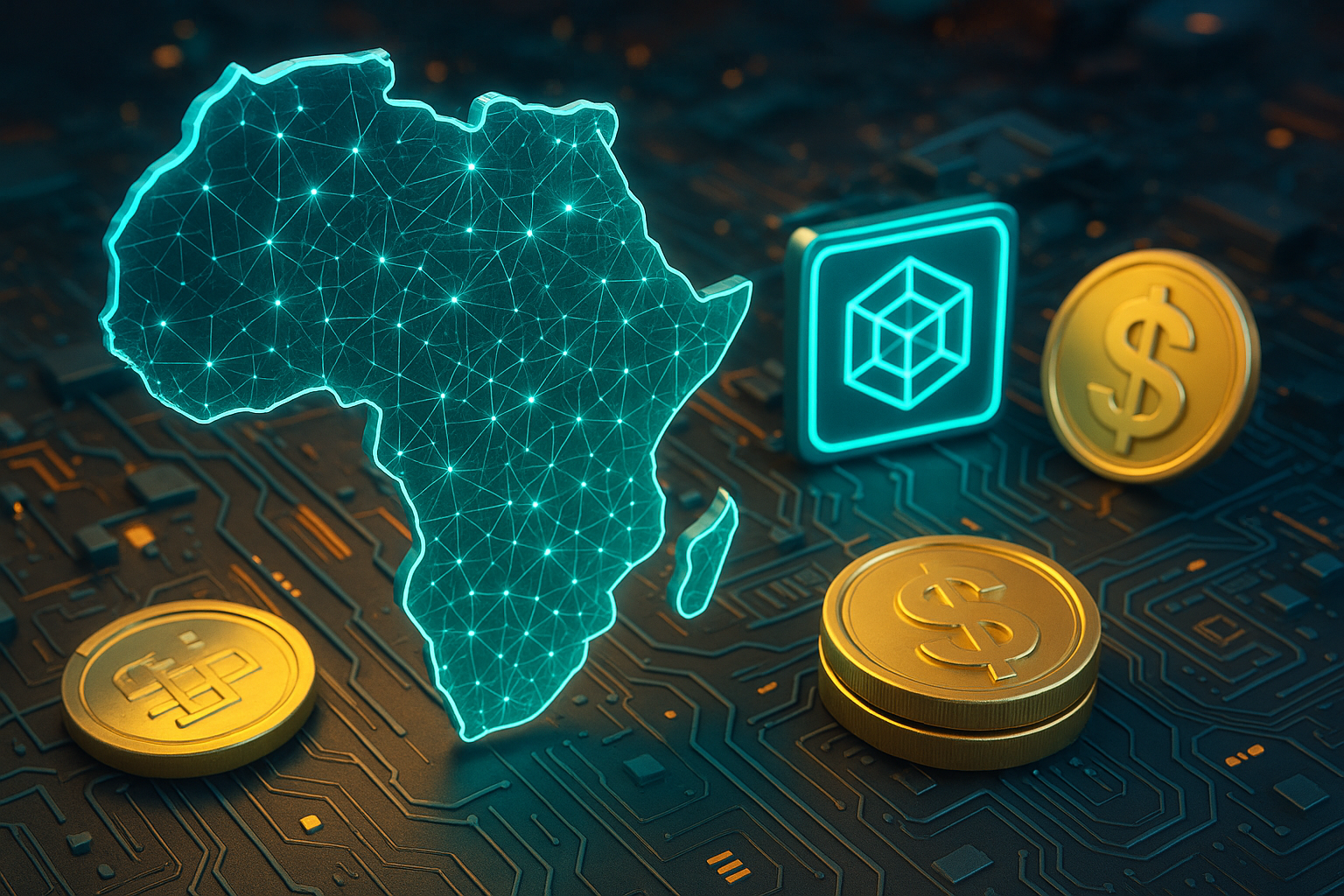
A new continent-wide initiative aims to modernize African trade by digitizing payments, documents and identities through an open-source blockchain infrastructure.
A coalition of major global and regional institutions has launched an ambitious plan to digitize trade across Africa, leveraging blockchain, stablecoins and interoperable digital identities to solve long-standing inefficiencies. The initiative — known as the Africa Digital Access and Public Infrastructure for Trade (ADAPT) — is expected to transform cross-border commerce by replacing paper-based processes with a unified digital system.
ADAPT Seeks to Modernize African Trade Infrastructure
The partnership includes the AfCFTA Secretariat, the Iota Foundation, the World Economic Forum, and the Tony Blair Institute. Together, they aim to establish an open-source digital network that will streamline payments, trade documentation and identity verification across all 55 African nations.
According to the Iota Foundation, ADAPT will support stablecoin-powered cross-border payments, store digital trade documents and create interoperable digital IDs that can be recognized across borders.
Dominik Schiener, co-founder of Iota, said the initiative is designed to significantly reduce structural costs and delays.
He noted that border clearance times could fall from as long as 14 days to under three days, with payment fees declining to below 3%.
The project also aims to unlock an estimated $70 billion in additional annual trade by increasing efficiency and transparency.
Pilot Launch Begins in 2025
The digital platform will begin rolling out in Kenya in Q1 next year, followed by Ghana and a third country still being finalized. Full implementation is expected to begin in 2027 and continue through 2035.
Schiener emphasized that the initiative will require sustained effort but expressed confidence in its long-term impact.
“This will be a long and challenging road… but we will realize this mission to connect Africa through the most modern digital trade infrastructure in the world,” he said.
Digitization Seen as Key to Overcoming Structural Barriers
Chido Munyati, head of Africa at the World Economic Forum, highlighted the severity of current logistical challenges.
“Trade inefficiencies remain one of the key barriers to business growth,” he said, adding that digitization can transform how African economies interact.
Many of the region’s bottlenecks — including slow border payments, paper-heavy documentation and inconsistent standards — contribute to costly delays. ADAPT aims to eliminate these frictions by creating a shared digital system.
Africa’s Growing Crypto Adoption Supports the Transition
Africa is already one of the fastest-growing crypto markets globally. Statista estimates that by 2026, the continent will have over 75 million crypto users, with sector revenues projected to reach $5.1 billion. Stablecoins play a particularly significant role, accounting for roughly 43% of all crypto transaction volume in Sub-Saharan Africa, according to recent Chainalysis data.
With rising digital adoption and a rapidly expanding crypto user base, the continent is well-positioned to benefit from a unified digital trade framework.
Disclaimer
This content is for informational purposes only and does not constitute financial, investment, or legal advice. Cryptocurrency trading involves risk and may result in financial loss.