
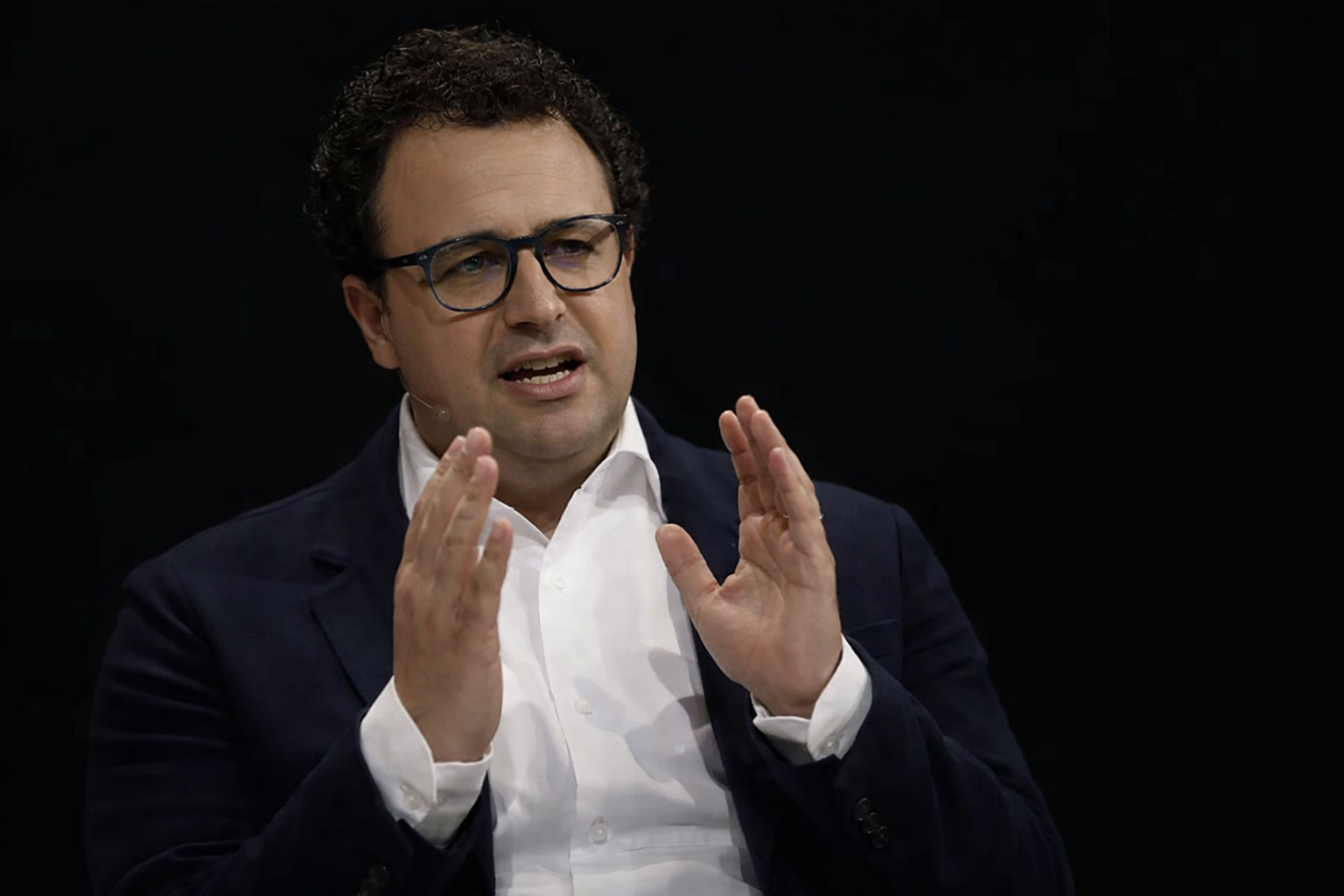
Artificial intelligence developer Anthropic has reopened negotiations with the United States Department of Defense as the company attempts to avoid being classified as a supply chain risk by the administration of Donald Trump. The discussions come at a critical moment for the AI firm, which has already secured significant defense contracts and is seeking to maintain its position within the US military’s technology ecosystem.
Reports indicate that Anthropic CEO Dario Amodei is holding talks with Emil Michael, the Pentagon’s undersecretary for research and engineering. The negotiations aim to finalize terms governing how the military can use Anthropic’s AI models in defense-related applications.
Dispute Over Data Surveillance Restrictions
The negotiations previously collapsed after disagreements over specific safeguards on how the military could deploy AI tools. Anthropic reportedly proposed language restricting the “analysis of bulk acquired data,” which the company said was designed to prevent potential mass domestic surveillance.
However, the Pentagon sought to remove that clause, arguing it could limit certain intelligence operations. The disagreement escalated tensions between the two sides and briefly halted progress on a revised agreement.
AI’s Expanding Role in US Defense Operations
Anthropic already maintains strong ties with US defense agencies. In 2025, the company secured a contract worth up to $200 million with the Pentagon, marking one of the largest AI agreements between the military and a private developer.
The company’s AI systems have also been deployed in classified environments and national security operations, including support functions tied to military targeting and strategic analysis involving Iran.
Several technology industry organizations have urged the White House to reconsider any decision that would classify Anthropic as a supply chain risk. Industry groups argue that labeling a domestic AI developer as a security concern could damage America’s position in the global AI race.
Trade associations representing companies such as Nvidia, Google and Apple warned that such a move could discourage innovation and weaken the United States’ ability to compete with China in advanced artificial intelligence development.
As negotiations continue, the outcome may shape how private AI companies collaborate with the US military and influence the broader balance between technological innovation and national security oversight.
Disclaimer
This content is for informational purposes only and does not constitute financial, investment, or legal advice. Cryptocurrency trading involves risk and may result in financial loss.