A 15-hour disruption at Amazon Web Services paralyzed major crypto and fintech platforms, revealing that much of Web3 still depends on centralized infrastructure
A major Amazon Web Services (AWS) outage this week caused disruptions across leading crypto and fintech platforms, including Coinbase, Robinhood, MetaMask, and Venmo. The incident, which lasted roughly 15 hours, has reignited debate about the true decentralization of Web3 — highlighting that while blockchains kept running, millions of users were locked out of accessing their funds and services.
Experts say the event underscores a fundamental weakness in the crypto industry’s reliance on centralized cloud infrastructure.
Crypto’s Infrastructure Paradox
“Decentralization has succeeded at the ledger layer but not yet at the infrastructure layer,” explained Jamie Elkaleh, Chief Marketing Officer at Bitget Wallet. He noted that while blockchain networks remain technically independent, the interfaces and APIs that power most wallets and exchanges still run on centralized servers like AWS, Google Cloud, and Microsoft Azure.
Elkaleh emphasized the need for a “credible multi-home infrastructure”, where workloads are split between centralized and decentralized systems to reduce single points of failure. “If one provider goes down, hundreds of apps are affected,” he said.
Users Locked Out of Working Blockchains
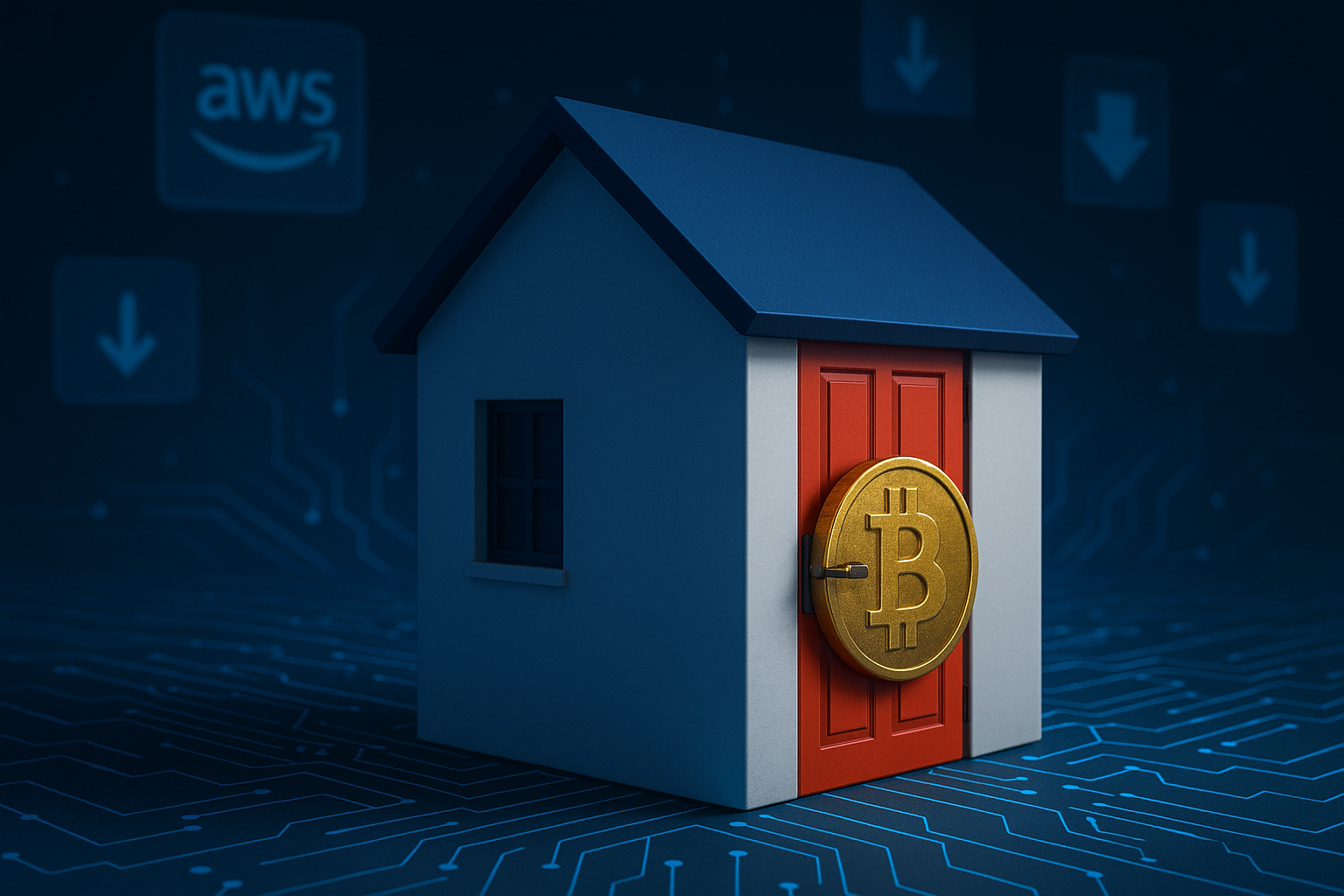
Anthurine Xiang, co-founder of EthStorage and QuarkChain, likened the situation to “the house is fine, but the door is jammed.” She explained that while blockchains continued to operate, users couldn’t access them because the entry layers — wallets and DApp interfaces — were offline.
MetaMask users, for example, saw zero balances not because funds were lost, but because the data retrieval services were unavailable. The same issue crippled Coinbase’s app and its Base network, while Robinhood traders reported transaction delays and API errors.
According to Jawad Ashraf, CEO of Vanar Blockchain, roughly 70% of Ethereum nodes are hosted by major cloud providers. “We’re just paying three different landlords instead of one,” he said, warning that true decentralization remains far from reality.
Elkaleh argued that the outage should serve as a wake-up call for the crypto industry to invest in distributed cloud solutions such as Akash, Filecoin, and Arweave.
“Every major outage is a reminder that resilience isn’t about hype — it’s about architecture,” he said. “The future of Web3 won’t depend on how decentralized tokens are, but on how distributed the infrastructure becomes.”
Disclaimer
This content is for informational purposes only and does not constitute financial, investment, or legal advice. Cryptocurrency trading involves risk and may result in financial loss.