

Central bank warns Canada risks falling behind without clear policy framework
The Bank of Canada has issued a strong call for regulators to implement a stablecoin regulatory framework, warning that the country risks being left behind as other jurisdictions move ahead with digital asset policies.
Ron Morrow, executive director of payments, supervision, and oversight at the central bank, delivered the message during a Chartered Professional Accountants conference in Ottawa. In his remarks, he emphasized the urgency of action, stating:
“Even if you’re on the right track, you’ll get run over if you sit there.”
Stablecoins Must Be “As Safe as Bank Balances”
Morrow stressed that for stablecoins to be widely accepted as money, they must provide the same level of security and reliability as traditional bank accounts. He called on federal and provincial regulators to design a framework that addresses credit, liquidity, and consumer protection risks while enabling innovation.
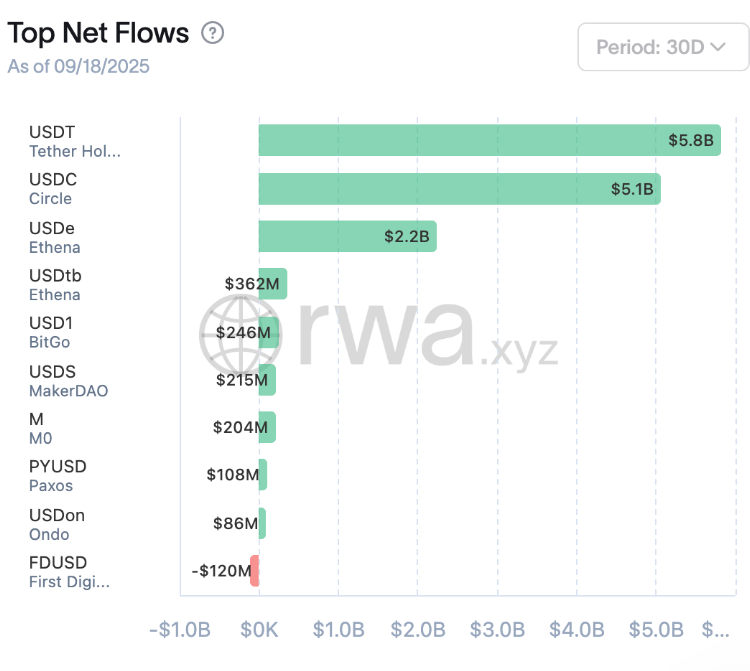
Stablecoins, mostly pegged to the US dollar, now dominate the market and are increasingly used in payments, trading, and remittances. Globally, regulators are moving quickly. The United States recently passed the GENIUS Act, often credited with sparking “stablecoin summer,” while Australia and the European Union are also rolling out formal oversight structures.
Canada’s Mixed Approach to Digital Assets
The Bank of Canada’s call comes as the country rethinks its digital asset strategy. In 2022, the central bank partnered with MIT to explore a central bank digital currency (CBDC). However, by late 2024, the project was shelved in favor of developing a real-time payment system that delivers instant transfers.
Public opinion on CBDCs remains divided. According to the bank’s survey, 42% of Canadians view CBDCs positively, while 20% dislike or even oppose the concept, citing privacy and surveillance concerns. Critics argue that CBDCs run counter to the principles of open, permissionless finance.
As Morrow highlighted, the race to regulate stablecoins is already underway globally. For Canada, creating a clear framework could ensure financial stability, consumer protection, and competitiveness in digital finance. Without swift action, however, the country risks losing ground to markets moving faster on crypto regulation.
Disclaimer
This content is for informational purposes only and does not constitute financial, investment, or legal advice. Cryptocurrency trading involves risk and may result in financial loss.