

Crypto industry warns caps could be “unworkable” and push innovation abroad
The Bank of England (BoE) is facing criticism from crypto industry leaders after reports revealed it plans to introduce ownership caps on stablecoins. According to the Financial Times, the central bank is considering limits of £10,000–£20,000 ($13,600–$27,200) for individuals and £10 million ($13.6 million) for businesses on “systemic stablecoins” used widely for payments.
Why the BoE Wants Limits
Officials argue the restrictions are necessary to protect the traditional banking system from deposit outflows that could weaken credit provision. Sasha Mills, the BoE’s executive director for financial market infrastructure, said the caps would help mitigate risks from sudden withdrawals and the rapid growth of new digital payment systems.
The central bank has stressed the rules could be transitional, applying only until regulators are confident that stablecoin issuers meet high operational and risk standards.
Crypto trade groups and firms argue the proposed caps would be nearly impossible to enforce and risk making the U.K. less competitive than the U.S. and EU.
“Imposing caps on stablecoins is bad for U.K. savers, bad for the City and bad for sterling,” said Tom Duff Gordon, Coinbase’s vice president of international policy.
Others highlighted enforcement challenges. Simon Jennings from the U.K. Cryptoasset Business Council noted that limits would require new monitoring systems such as digital IDs, while Riccardo Tordera-Ricchi of The Payments Association said they “make no sense” since no caps exist on cash or bank deposits.
Global Contrast: U.S. and EU Move Ahead Without Caps
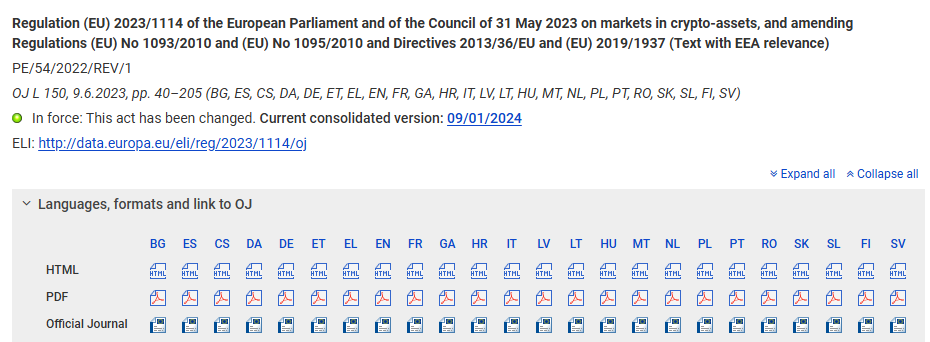
The U.S. recently passed the GENIUS Act, creating a federal framework for payment stablecoins that includes licensing, reserve, and redemption requirements—but no ownership limits. Similarly, the European Union’s MiCA regulation is now fully in effect across the bloc, also without caps on stablecoin holdings.
Industry leaders warn that if the BoE pushes forward, the U.K. risks driving crypto business abroad just as other jurisdictions are opening doors. The debate underscores the tension between financial stability concerns and the U.K.’s ambitions to be a global crypto hub.
The outcome may determine whether London attracts or repels the next wave of blockchain-driven payment innovation.
Disclaimer
This content is for informational purposes only and does not constitute financial, investment, or legal advice. Cryptocurrency trading involves risk and may result in financial loss.