

Major cryptocurrencies declined while energy markets surged after renewed geopolitical tensions involving the Strait of Hormuz disrupted investor sentiment. Bitcoin traded around $75,077, marking a 1.6% daily drop, though it remained 4.8% higher for the week following escalating conflict risks between the United States and Iran.
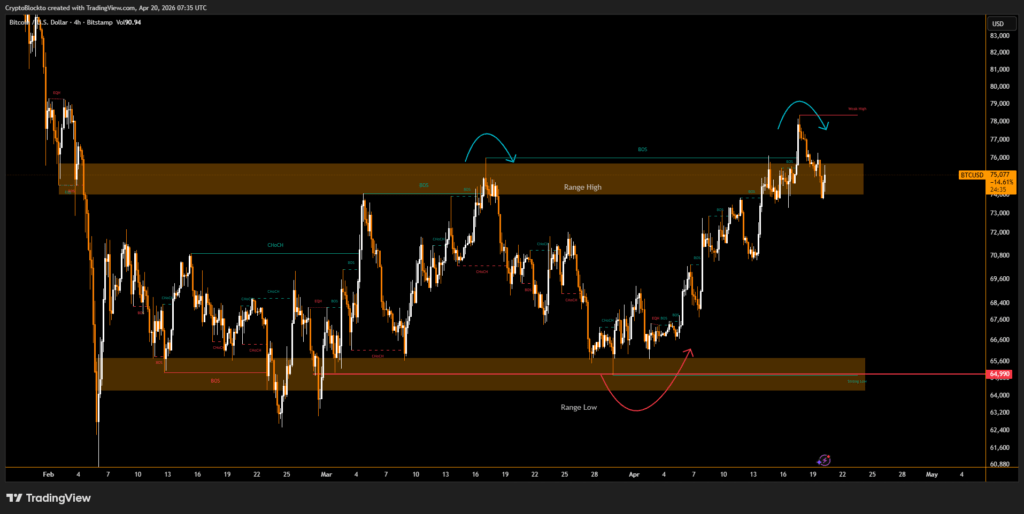
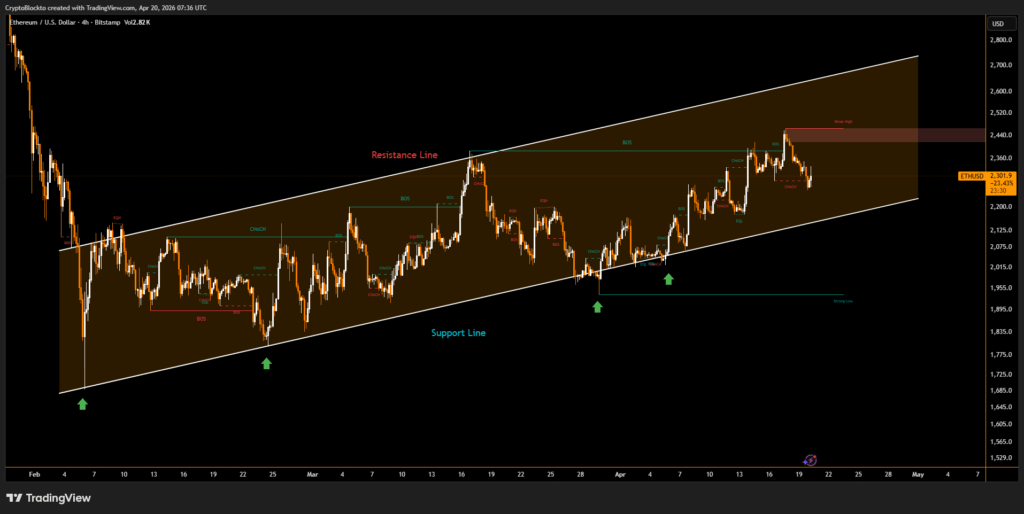
Other major digital assets also moved lower. Ether fell 2.6% to $2,272, while Solana declined 1.5% to $84. Meanwhile, BNB remained steady near $618, with losses across most top-ranked tokens staying below 3%.
Oil Prices Jump as Traditional Markets Reprice War Risk
Energy markets reacted sharply to renewed conflict fears. Brent crude oil rose 5.7% to $95.50 per barrel, while European natural gas futures surged by as much as 11%.
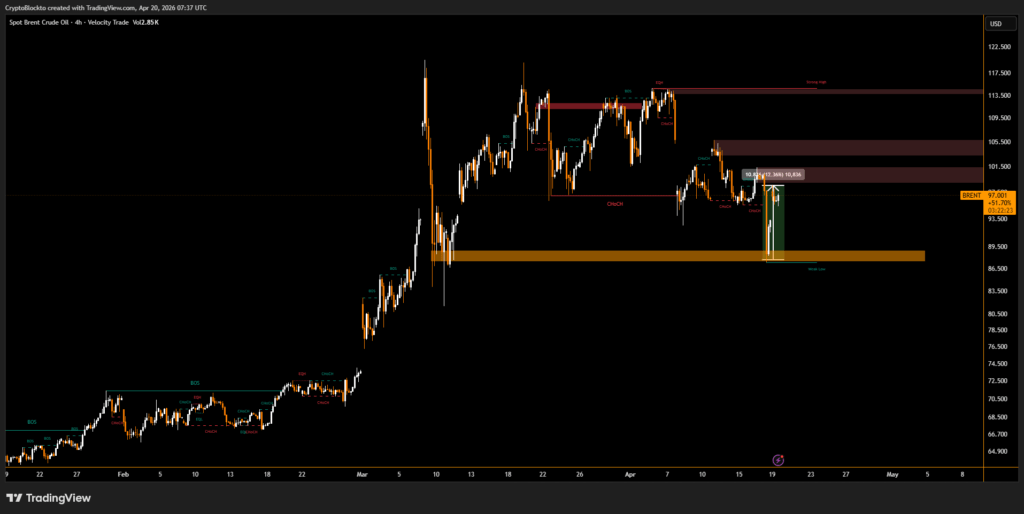
The recent volatility reversed a three-week decline in war-risk premiums that followed earlier easing tensions. Iran had declared shipping lanes open days earlier, triggering record highs in equity markets, but renewed military threats quickly shifted sentiment.
Bitcoin Shows Signs of Acting as a Geopolitical Shock Absorber
Despite repeated geopolitical shocks, Bitcoin’s price declines have become progressively smaller during each escalation tied to the conflict. Analysts note that this marks the fourth major Iran related risk event absorbed by crypto markets since tensions began.
Traders are now closely monitoring key levels between $74,000 and $73,000, alongside movements in the 10-year U.S. Treasury yield, currently near 4.27%, and broader currency strength. If Bitcoin maintains support above these levels during continued tensions, it could reinforce its emerging role as a hedge-like asset during geopolitical uncertainty.
Disclaimer
This content is for informational purposes only and does not constitute financial, investment, or legal advice. Cryptocurrency trading involves risk and may result in financial loss.