
Introduction
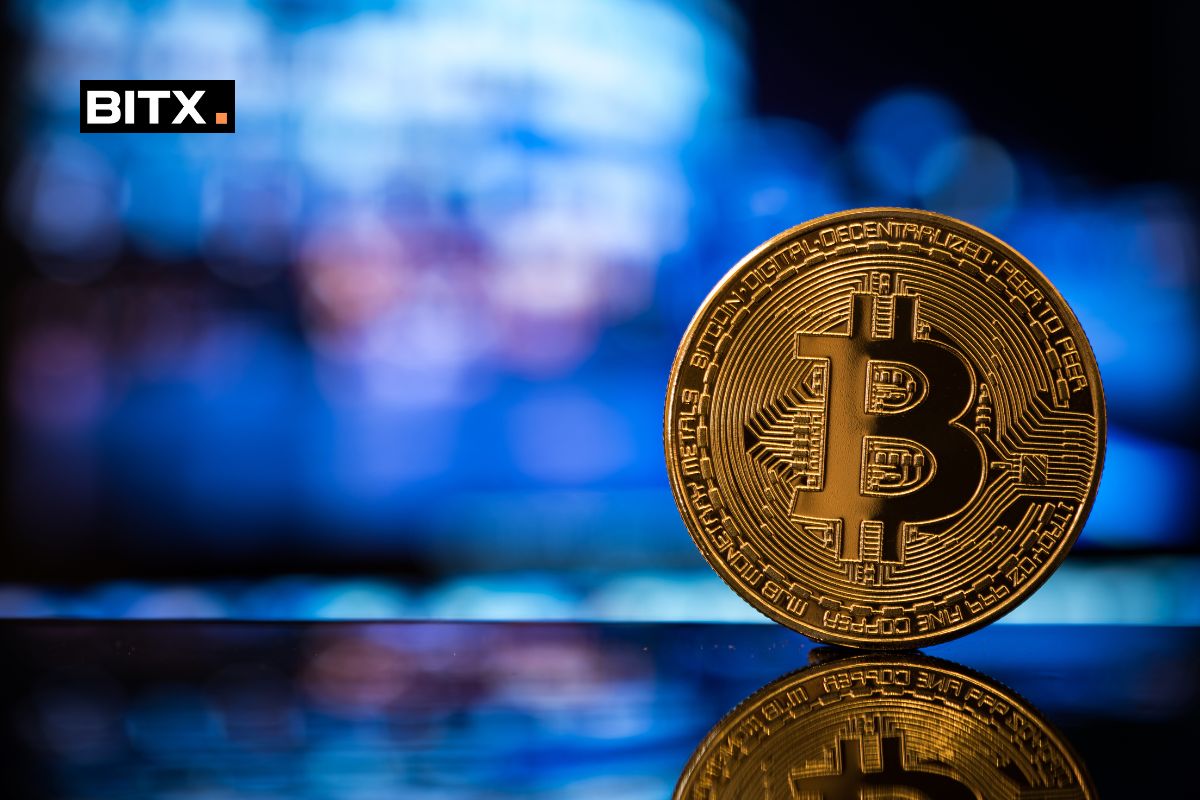
In the ever-evolving world of technology, one digital innovation that has taken the financial industry by storm is Bitcoin, a decentralized and peer-to-peer digital currency. First introduced in 2008 by an anonymous individual or group using the pseudonym Satoshi Nakamoto, Bitcoin has become a worldwide phenomenon, capturing the imaginations of tech enthusiasts, investors, and economists alike.
Understanding Bitcoin: A Brief Overview
At its core, Bitcoin is a type of cryptocurrency, a digital or virtual form of currency that uses cryptography for security. Unlike traditional fiat currencies like the US dollar or the Euro, which are controlled by centralized authorities like banks and governments, Bitcoin operates independently, eliminating the need for intermediaries.
The Blockchain: The Backbone of Bitcoin
The foundational technology behind Bitcoin is known as the blockchain. This decentralized, digital ledger records all Bitcoin transactions confidentially and permanently, ensuring a secure and transparent system. Each block in the chain contains a record of multiple transactions, and once the block is added to the chain, the information contained within it cannot be altered without consensus from the network.
Mining Bitcoins: The Process of Creation
The creation of new Bitcoins is achieved through a process called mining. Miners use sophisticated computer hardware and software to solve complex mathematical problems, which validate transactions in the network and add new blocks to the blockchain. As a reward for their efforts, miners receive a certain amount of Bitcoin, with the total reward halving roughly every four years to cap the total supply at 21 million Bitcoins.
Owning and Transacting with Bitcoin
To own Bitcoin, users typically need a digital wallet, an app or software program that stores private keys, which serve as proof of ownership. To send or receive Bitcoin, users need to share their public keys with each other. This process is similar to transferring money via the internet, with transactions being instant and secure, provided the sender and receiver have agreed upon the terms.
The Value of Bitcoin: A Look at its Volatility
The value of Bitcoin has shown remarkable volatility since its inception. While it has experienced dramatic price increases, reaching all-time highs in the tens of thousands of dollars, it has also experienced significant drops, with rapid oscillations occurring frequently. The primary drivers of Bitcoin’s value are speculation, market demand, and factors such as regulatory changes, adoption by businesses, and technological developments within the space.
Conclusion
Bitcoin, as a decentralized and digital currency, represents a significant step forward in the evolution of finance. By eliminating the need for centralized intermediaries, it offers potential advantages such as increased privacy, lower transaction fees, and greater financial inclusivity. However, its rollercoaster ride in terms of value and its association with illicit activities have also raised concerns and prompted ongoing discussions regarding its impact and regulation. As Bitcoin and the broader cryptocurrency ecosystem continue to mature, we can expect to witness fascinating developments and debates in the years ahead.