
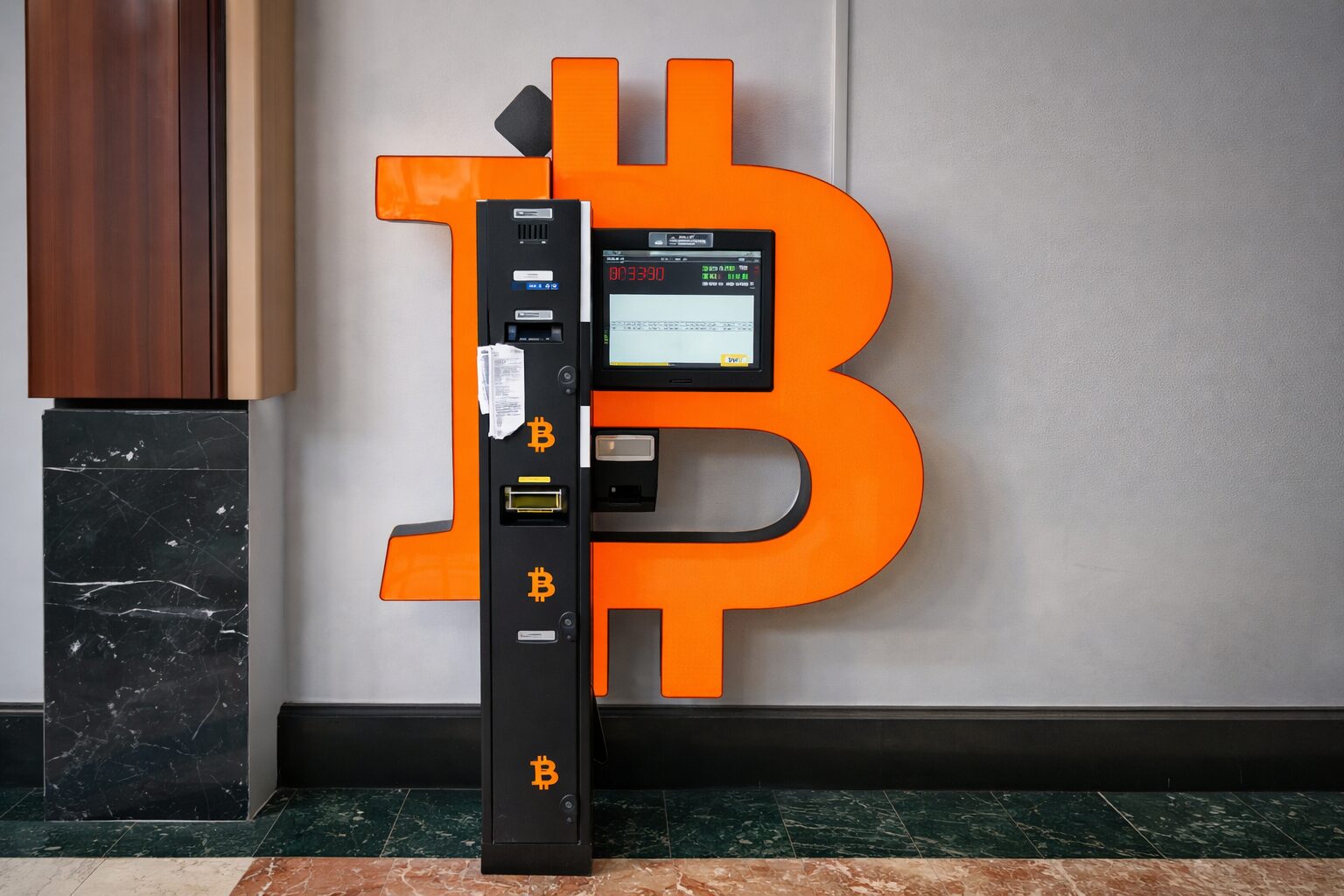
Bitcoin traded near $72k on Friday while Ether hovered around $2,180, reflecting continued low volatility across major cryptocurrencies. Market analysts point to narrowing Bollinger Bands — a widely used volatility indicator now at their tightest levels since early 2024. Historically, such compressed ranges have preceded significant market swings of up to 40%.
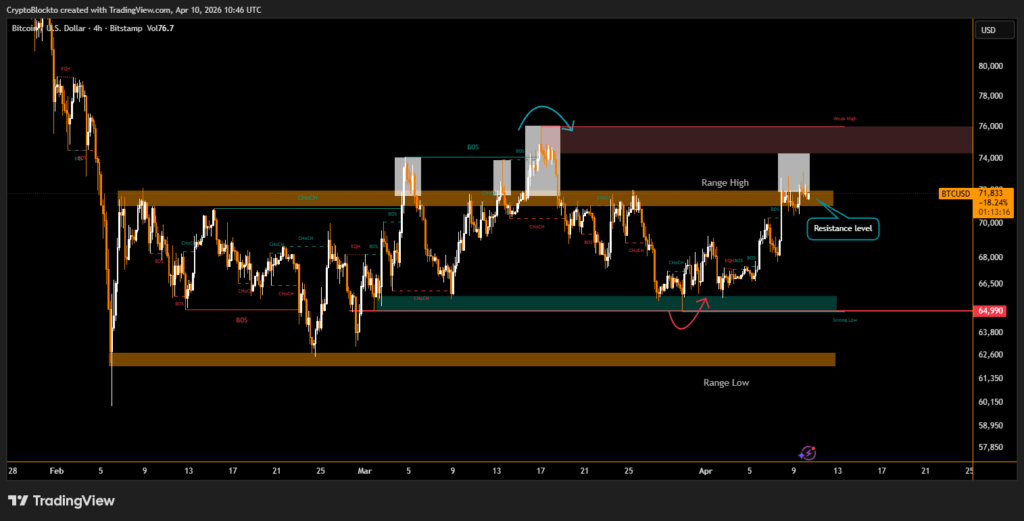
Since early February, Bitcoin has largely remained between $63k and $75k. A decisive breakout above $75,000 could trigger strong upward momentum, forcing short sellers to close positions and buy back assets. Conversely, a drop below $70,000 could liquidate roughly $200 million in long positions, increasing downside pressure.
Inflation Data Expected to Drive Short-Term Crypto Direction
Market participants are closely watching upcoming U.S. Consumer Price Index (CPI) data, a key macroeconomic indicator. March inflation is projected at approximately 3.3% year-over-year, driven largely by rising energy costs. Higher-than-expected inflation typically strengthens the U.S. dollar, which may reduce demand for risk-sensitive assets like Bitcoin and Ether.
Options market data shows traders increasingly positioning for upward movement, particularly through Bitcoin call options targeting the $80,000 strike level.
Sentiment has also been affected by turmoil in the Bittensor ecosystem following the departure of a major developer who criticized the platform’s governance and decentralization model. The dispute has raised broader questions about leadership and network control.
Disclaimer
This content is for informational purposes only and does not constitute financial, investment, or legal advice. Cryptocurrency trading involves risk and may result in financial loss.