
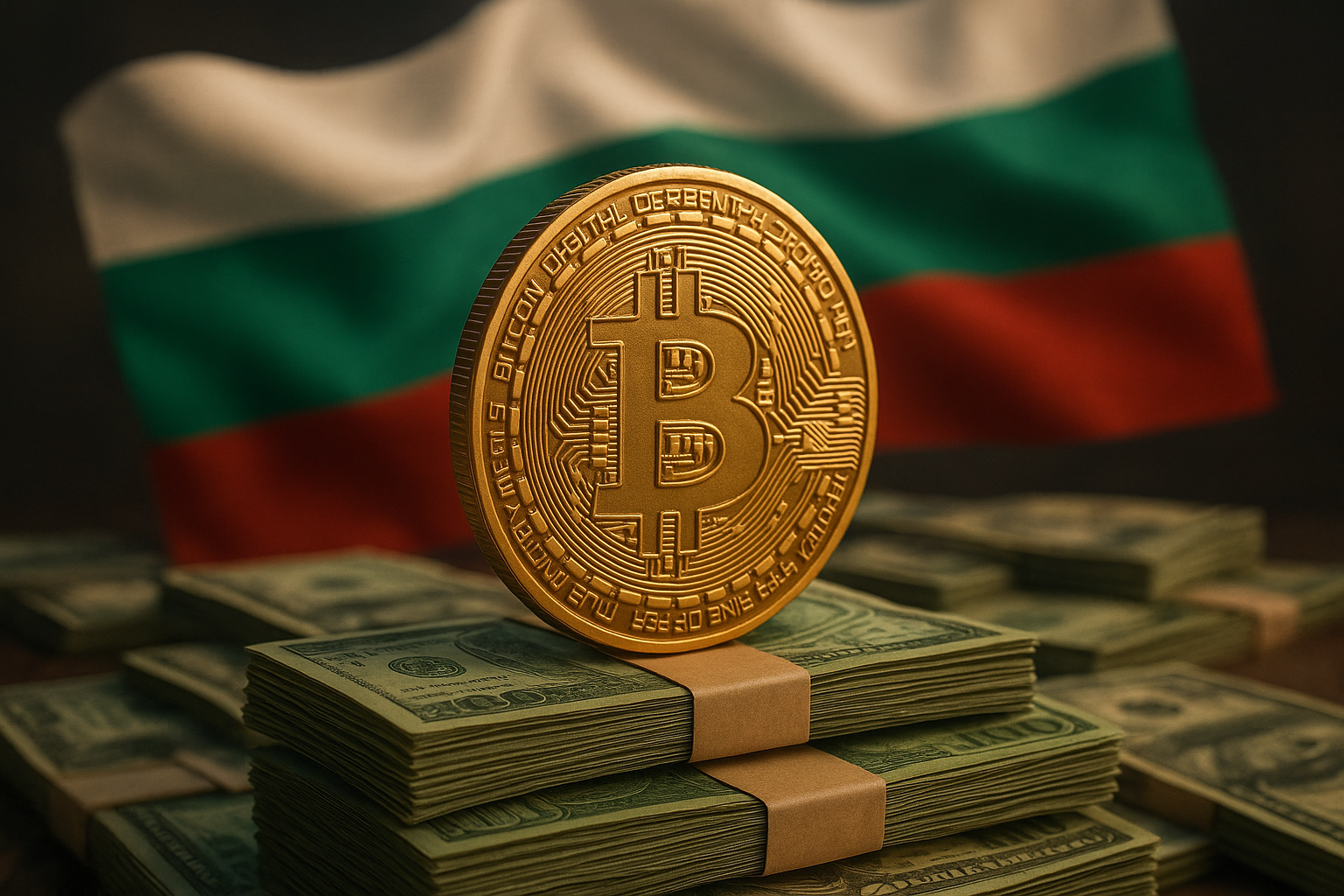
Bulgaria made global headlines in 2017 when it seized 213,500 Bitcoin (BTC) from criminal networks. At the time, the cryptocurrency haul was worth around $3.5 billion — an impressive amount, but one that the government chose to liquidate the following year.
Fast-forward to 2025, and that same stash of Bitcoin is now valued at over $25 billion, exceeding Bulgaria’s entire public debt, which currently stands at $24 billion, according to World Economics data.
Why Did Bulgaria Sell the Bitcoin?
The decision to sell came amid widespread regulatory uncertainty and minimal understanding of digital assets at the time. Valentin Mihov, co-CEO of Web3 firm Enflux and a Bulgarian national, noted that many governments in 2018 still viewed Bitcoin as too risky or unstable for sovereign balance sheets.
“Custody solutions were immature, regulations unclear, and the EU was tightening fiscal discipline,” Mihov explained. “From a conservative government’s perspective, liquidation seemed the cleanest option.”
A Missed Opportunity for Strategic Reserves
While the decision to sell may have been justifiable back then, today’s numbers tell a different story. Had Bulgaria held even 10-20% of the BTC as a long-term reserve, it could have made a significant dent in its debt — or even wiped it out entirely.
Alex Obchakevich, founder of Obchakevich Research, argued that Bitcoin’s price volatility complicates its use as a reliable reserve asset. He proposed that if governments hold crypto, it should be limited in proportion, with risk mitigation strategies such as phased liquidation and derivative hedging in place.
Governments Are Now Holding Bitcoin
Today, several governments recognize the long-term value of Bitcoin. According to Bitcoin Treasuries data, public-sector wallets collectively hold more than 463,000 BTC, or about 2.3% of Bitcoin’s total supply.
Leading the list are:
- United States: ~198,000 BTC
- China: 190,000 BTC
- United Kingdom: 61,245 BTC
- Ukraine: 46,351 BTC
- North Korea: 13,562 BTC
- Bhutan: 10,486 BTC
These holdings signal a growing strategic shift, with some nations positioning Bitcoin alongside traditional reserves like gold and foreign currencies.
Conclusion
Bulgaria’s decision to sell its seized Bitcoin in 2018 may have been the safe route, but it cost the country a rare chance to erase its national debt. As Bitcoin matures and institutional adoption grows, other governments are rethinking how digital assets fit into their long-term fiscal planning — a conversation Bulgaria helped spark, even if unintentionally.
Disclaimer
This content is for informational purposes only and does not constitute financial, investment, or legal advice. Cryptocurrency trading involves risk and may result in financial loss.