

Central banks worldwide are ramping up gold purchases to levels unseen since the 1990s, signaling a growing mistrust in fiat currencies and a renewed appetite for tangible assets, according to a new Deutsche Bank report titled “Gold’s Reign, Bitcoin’s Rise.”
The report reveals that gold now represents 24% of official reserves, marking its highest share in over three decades. This surge reflects a strategic pivot by monetary authorities amid persistent inflation, rising geopolitical tensions, and doubts about long-term dollar stability. Analysts say the “gold rush” underscores a return to financial sovereignty as nations seek to diversify away from fiat exposure.
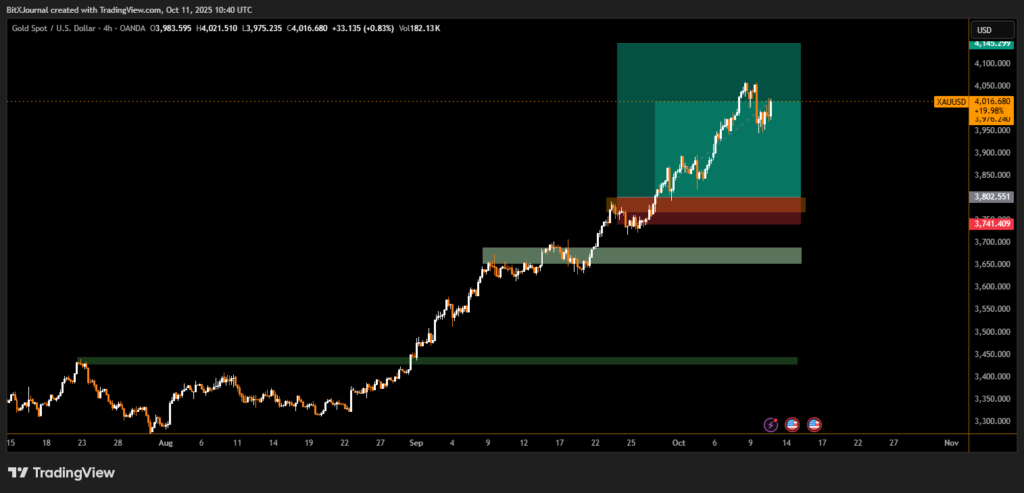
Marion Laboure, the bank’s macro-strategist, suggests that Bitcoin’s evolution could mirror gold’s historical path, potentially leading to partial integration into central bank balance sheets by 2030. However, she notes key obstacles — including regulatory resistance, cybersecurity risks, and ideological skepticism — that still hinder Bitcoin’s acceptance at the institutional level.
Even so, Deutsche Bank acknowledges that both assets could coexist within future strategic reserves, particularly as the global financial system becomes more multipolar and decentralized.
At the same time, Deutsche Bank draws a striking parallel between gold and Bitcoin (BTC), highlighting shared traits such as low correlation with traditional markets, shrinking volatility, and growing appeal as safe-haven assets.
If realized, such a shift would mark a historic milestone, signaling the institutional legitimization of Bitcoin alongside gold in the world’s official reserves.
Disclaimer
This content is for informational purposes only and does not constitute financial, investment, or legal advice. Cryptocurrency trading involves risk and may result in financial loss.