

Changpeng “CZ” Zhao, founder of Binance, has released a memoir recounting the dramatic rise of the cryptocurrency exchange and the legal challenges that followed. The 364-page autobiography, titled Freedom of Money, offers a first-person narrative of Zhao’s life, career, and the events that shaped one of the most influential companies in the digital asset sector. The foreword was written by Yi He, Binance co-founder who has worked alongside Zhao since 2014.
In the book, Zhao explains that much of his public story has been shaped by media coverage, legal filings, and commentary, and he aims to provide deeper context behind those narratives. The memoir traces his early years in finance and technology before detailing the founding of Binance in 2017 and its rapid expansion into one of the world’s largest cryptocurrency exchanges.
Legal Challenges and Regulatory Failures Described in Detail
Zhao recounts the regulatory pressures that led to a major settlement with U.S. authorities. In 2024, he served a four-month prison sentence after pleading guilty to violating U.S. Anti-Money-Laundering laws. The settlement required him to step down as Binance chief executive and led the company to pay billions of dollars in penalties while implementing extensive compliance reforms.
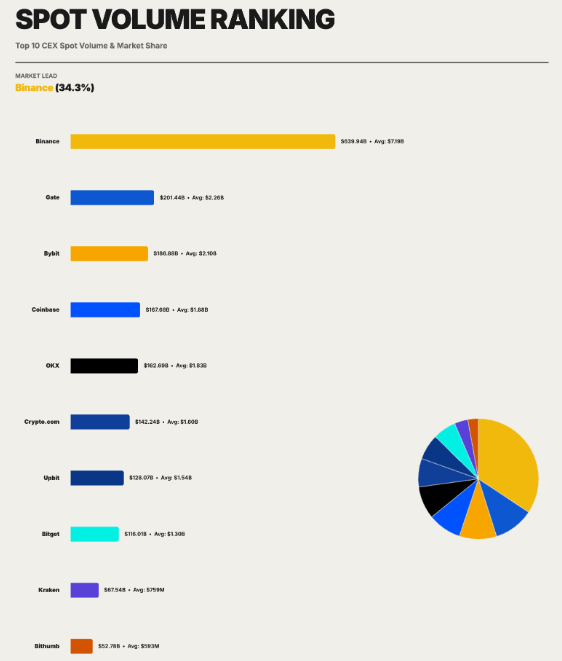
Regulators had scrutinized Binance for years over alleged shortcomings in anti-money-laundering controls, sanctions compliance, and operating without proper licenses. In the memoir, Zhao reflects on key decisions made during the company’s rapid growth and the tradeoffs that contributed to later enforcement actions. He also describes his time in federal prison, including the transition from leading a global firm to living in confinement.
“Freedom of Money” Theme Explores Global Crypto Adoption
The title Freedom of Money reflects Zhao’s belief that cryptocurrency can reduce barriers to financial access, particularly in regions with limited banking services or strict capital controls. He links Binance’s global expansion to demand from users in emerging markets seeking cross-border transfers, currency hedging, and access to international financial systems.
Zhao also acknowledges that Binance’s rapid growth sometimes outpaced regulatory frameworks, creating compliance gaps that eventually attracted enforcement scrutiny and reshaped the company’s future.
Disclaimer
This content is for informational purposes only and does not constitute financial, investment, or legal advice. Cryptocurrency trading involves risk and may result in financial loss.